
" "

Blog

Which Type of Cuplock Scaffolding Is Best in 2026?

Choosing the best Cuplock Scaffolding in 2026 is not simply a matter of selecting the heaviest-duty option. The right system depends on the work, the structure, and the conditions on site. A compact façade project may need different bay sizes and access arrangements than a large industrial maintenance job. Load requirements matter. So do platform width, working height, ground conditions, and how often the scaffold will be assembled and moved.

This guide compares common Cuplock Scaffolding options and explains where each may fit. It looks at practical details, such as connection condition, surface finish, component compatibility, and the clarity of the supplier’s technical information. A galvanized finish may suit some exposed environments, but it does not replace inspection or proper storage. Nor does a familiar cup-and-blade connection guarantee that every component from different systems will fit safely. Check product specifications and seek a competent assessment for the planned configuration.

The strongest choice is the one that matches the job and can be verified—not necessarily the one with the most impressive claims. That distinction can be easy to overlook. This guide also considers cost, durability, and handling, while noting where evidence is limited or product ranges differ. Some projects may favor a standard modular setup; others may require a specially assessed arrangement. The details decide.
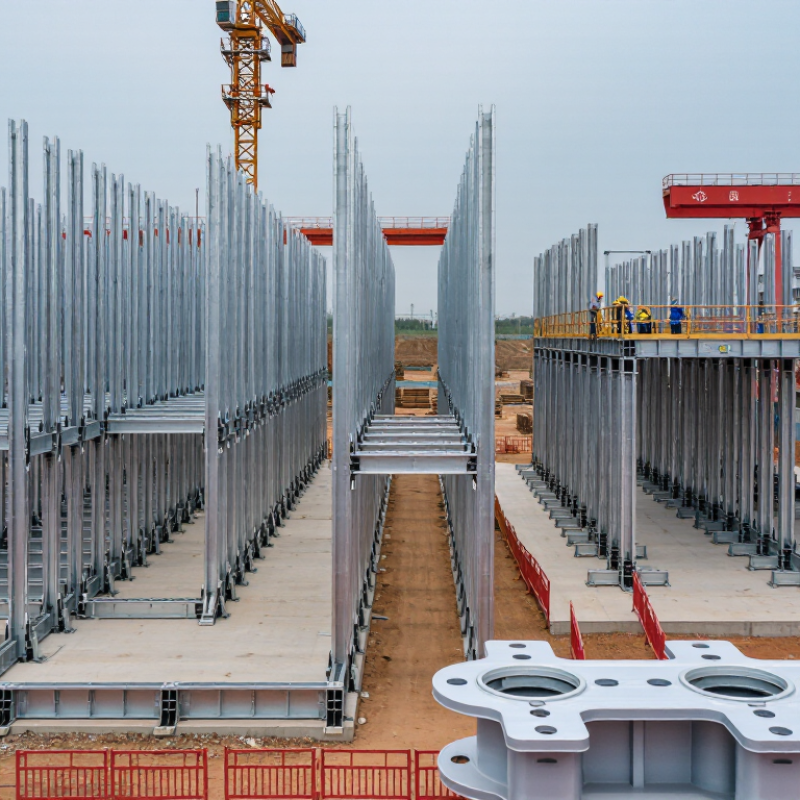
Which Type of Cuplock Scaffolding Is Best in 2026?

Cuplock Scaffolding: Structure and Key Components

Cuplock scaffolding is built around vertical standards, horizontal ledgers, and cup-and-blade connections. Each standard carries fixed lower cups at regular intervals, while sliding top cups lock ledger blades in place. The result is a series of connected bays with fewer loose fittings to handle. A firm click matters. Workers should still check that each connection is fully seated, not just resting against the cup.

At ground level, adjustable base jacks help accommodate modest changes in terrain. Standards rise from these supports, and ledgers connect them across the scaffold. Diagonal braces limit sway, while properly supported platform boards create the working surface. The dimensions and spacing must suit the planned load and height; visual neatness alone proves little. Small details count. A soft patch of soil beneath one jack can affect the whole bay.

The system’s appeal is its straightforward assembly, but speed can encourage careless checks. Inspect cups, blades, pins, braces, and boards for damage before use, and follow the system’s technical instructions. Keep connections clean enough to seat properly. I would not assume every component fits simply because it looks similar; tolerances matter. An experienced person should verify the erected structure and its foundation before workers climb it.

Main Types of Cuplock Scaffolding Systems

Cuplock scaffolding is a modular system built around vertical standards, horizontal ledgers, and wedge-shaped cups. The cups lock several connections at set points, making assembly relatively quick. The main types are better understood as layouts for different tasks, rather than separate products.

Facade scaffolding runs alongside a wall and suits brickwork, painting, or repairs. Its ledgers form long working lifts, while transoms support the platform boards.

A birdcage layout uses rows of standards to create a broad, freestanding platform, useful for ceiling work in halls or warehouses. It needs careful bracing, especially when the floor is uneven.

Small details matter.

Cuplock can also be arranged as stair towers or loading bays. Stair towers provide a defined route between levels; loading bays create space for moving materials, but their frames need to account for concentrated loads. These layouts are not interchangeable. A narrow work area may favor a façade arrangement, while overhead work often calls for a birdcage. Check the ground, working height, access needs, and intended loads before choosing.

Honestly, layout drawings can look simpler than the site itself. A competent person should verify the design, erection, and inspection against the actual conditions.

How Project Requirements Shape Scaffold Selection

Which Type of Cuplock Scaffolding Is Best in 2026?
How Project Requirements Shape Scaffold Selection

“Best” depends less on a catalogue label than on what the structure must carry and reach. For façade work, a standard access setup suits repeated bays, clear walkways, and frequent repositioning. Heavy-duty configurations may suit masonry or material loading, but a competent design must check leg loads, bay spacing, and ties. Slab support calls for a different setup: cuplock shoring towers need bracing and load paths checked against the pour sequence. Small detail. Big consequence.

Start at the workface. Measure lift height, platform width, ground capacity, obstructions, and material access. Specify duty load, bay dimensions, access points, and tie locations; height alone is not enough. OSHA scaffold safety guidance estimates that preventing scaffold-related accidents could avert about 4,500 injuries and 50 deaths each year in the United States. That estimate does not compare cuplock configurations, but it shows why competent design and inspection matter. Uneven paving or a late design change can undermine a tidy plan. Recheck bases and ties before loading each lift.

Comparing Safety, Load Capacity, Cost, and Setup Speed

Which Type of Cuplock Scaffolding Is Best in 2026?

Safety, load capacity, cost, and setup speed depend more on the job than on a single “best” system. OSHA has cited estimates of 4,500 scaffold-related injuries and 60 deaths each year in the United States. That is a sobering reminder: secure base plates, sound bracing, guardrails, and trained inspections matter more than quick assembly. A well-built scaffold still needs checking after weather changes or site alterations.

For load capacity, match the scaffold design to the work platform, workers, tools, and stored materials. EN 12811-1 defines working-platform load classes; classes 2 through 6 range from 1.5 to 6.0 kN/m². These figures describe platform loading, not a blanket rating for every cuplock setup. Ask for design calculations for the actual height, bay spacing, ties, and ground conditions. A number on a component sheet is not the whole answer.

Cost and speed are site-specific. Steel cuplock can suit repeated, heavy-duty work, while lighter systems may reduce handling effort on smaller jobs. Yet transport, hire duration, access, and crew experience can outweigh the purchase price. Cuplock’s captive-node connections can make assembly efficient, but awkward corners and uneven ground slow even a practiced team. I would compare labor hours for a real bay, not rely on a supplier’s fastest-case estimate. That distinction is easy to miss.

Choosing the Best Cuplock Type for Different Projects

Choosing the best cuplock type starts with the work, not the catalogue. For façade repairs, a standard façade arrangement with properly spaced lifts gives crews clear access along the wall. For bricklaying or heavy material handling, a heavy-duty configuration may suit better, but only after checking bay length, platform width, and intended loads. Birdcage scaffolds provide broad, level access beneath ceilings; staircase towers help where workers carry tools between levels. Fit matters.

HSE’s 2023/24 annual workplace fatality statistics recorded 50 worker deaths from falls from height in Great Britain. That figure makes safe access and edge protection practical selection criteria, not optional extras. OSHA’s scaffold standard requires supported scaffolds to carry their own weight and at least four times the maximum intended load; treat this as a US benchmark, not a substitute for local requirements. Still, load estimates are often the weak point. A pallet, mortar tub, and several workers can change the calculation quickly. Confirm the design, ground conditions, ties, and compatible components with a competent scaffolding professional before choosing a configuration.

Which Type of Cuplock Scaffolding Is Best in 2026?

Choosing the Best Cuplock Type for Different Projects

The ratings are indicative qualitative guidance on a 1–5 scale, not measured performance or load ratings. Cuplock options can overlap: for example, a galvanized scaffold can also be designed for heavy-duty use. Confirm loads, dimensions, materials, and compliance requirements with a qualified scaffold designer and the applicable local standards.