
What Is the Best Foldable Table to Buy in 2026?
The best Foldable Table in 2026 depends less on a flashy feature list than on where it will be used. A compact table for a balcony has different demands from one used for weekly family dinners or a busy craft room. Check its open dimensions, folded thickness, carry weight, frame stability, and stated load capacity. Small details matter. Industrial designer Charles Eames captured that idea: “The details are not the details. They make the design.”
This guide compares practical features shoppers can inspect, not just claims on packaging. A tabletop should suit its regular tasks, whether that means holding serving dishes, a laptop, or paint-covered supplies. Steel frames can feel reassuring, but they may add weight. Plastic tops are often easier to wipe clean, though quality and stiffness vary. Look closely at the leg locks, hinges, and feet; a wobble on a smooth kitchen floor can quickly become annoying.
There is no single winner for every home. The right choice balances size, storage, comfort, durability, and price for your actual routine. We’ll examine those trade-offs and explain which table types fit different needs. One caveat: published load ratings do not tell the whole story about long-term wear, and real-world stability depends on the floor. A careful comparison helps, but it cannot replace checking the product’s specifications and warranty before buying.
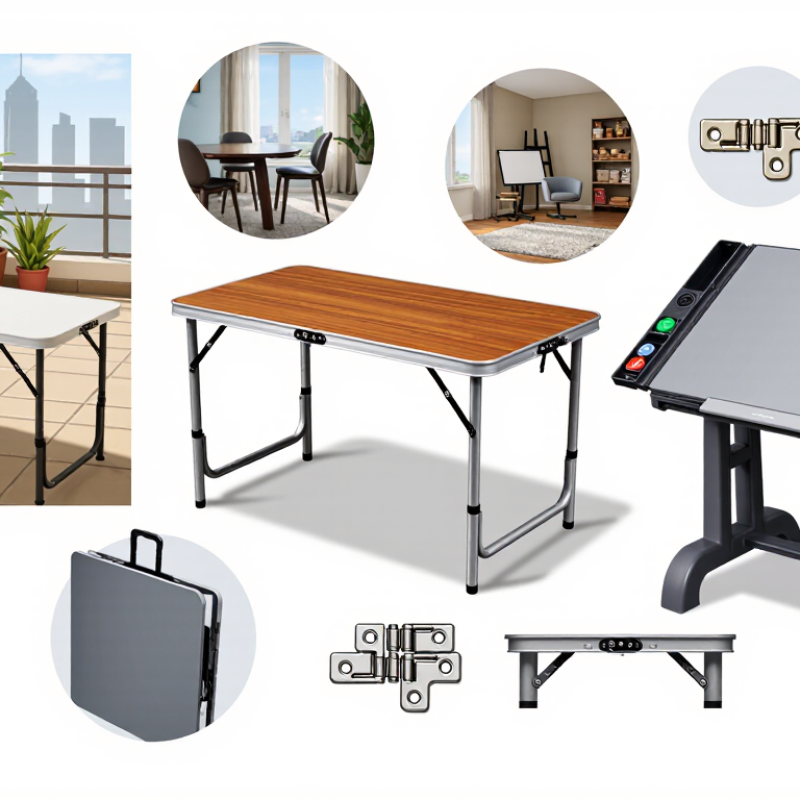
How to Define Your Foldable Table Needs in 2026
Before choosing a foldable table, define where it will open and what it must hold. Measure the usable floor area with chairs pulled out, not just the tabletop footprint. A table that fits against a wall may block a doorway when fully opened. Measure twice.
Match the surface to real tasks. A laptop and notebook need less depth than serving dishes or craft supplies. Check the table’s stated load capacity, folded dimensions, weight, and locking mechanism. If you will move it often, lift a similar-weight object before buying; online dimensions rarely convey how awkward a folded frame feels. Then test it.
Durability matters, too. The U.S. Environmental Protection Agency’s 2018 Facts and Figures report estimated that 12.1 million tons of furniture entered the municipal waste stream, and 80.1% was landfilled. That figure covers furniture broadly, not folding tables alone, but it makes repairability and material quality worth considering. Look for replaceable feet, sturdy hinges, and a finish suited to spills or outdoor exposure. One detail is easy to miss: a very light table may wobble on uneven floors. Choose based on your actual space, carrying needs, and typical use—not on a single advertised feature.

Which Foldable Table Types Suit Different Uses
For everyday home use, a lightweight rectangular folding table suits meal prep, extra seating, or a temporary desk. Choose a locking frame and a top wide enough for your actual setup; a laptop, lamp, and notebook quickly crowd a narrow surface. The U.S. Census Bureau’s 2022 American Community Survey reported that 15.2% of workers primarily worked from home, compared with 5.7% in 2019. That shift makes a stable, easy-to-store work surface useful in many homes, though a folding table is not automatically comfortable for full workdays.
Different jobs call for different shapes. A round or square card table fits small rooms, games, and informal meals, while a long banquet-style model serves buffets, craft projects, and larger gatherings. Adjustable-height tables can alternate between seated tasks and standing work, but check that the legs lock firmly and do not wobble on your floor. For outdoor use, prioritize weather-resistant materials and feet that sit securely on uneven ground. A small compromise: lighter tables are easier to carry, but can feel less steady under heavy equipment. Test the folded table’s latch and carry grip before buying; storage convenience matters only if setup is genuinely manageable.
What Is the Best Foldable Table to Buy in 2026? — Which Foldable Table Types Suit Different Uses
| Foldable Table Type | Best Suited Uses | Common Size or Configuration | Typical Materials | Main Advantages | Points to Consider |
|---|---|---|---|---|---|
| Banquet / Utility Table | Family gatherings, buffet service, temporary workspaces, and events | Commonly about 4–8 ft long and 24–30 in wide; folding legs | High-density polyethylene or resin top with steel legs; some models use wood or plywood | Large usable surface, widely available in several lengths, and easy to store when folded | Long models can be awkward for one person to carry. Check the folded dimensions and leg-locking mechanism. |
| Card / Game Table | Board games, cards, puzzles, and occasional indoor dining | Often square, around 32–36 in per side; some versions fold in half | Plastic or wood-based top with a metal frame; padded fabric surfaces are also available | Compact footprint and a convenient shape for seating around all sides | Usually offers less surface area than a banquet table and may not be designed for heavy or uneven loads. |
| Camping Table | Camping, picnics, tailgating, and outdoor meal preparation | Compact models are often about 16–24 in high; larger dining models may be close to standard table height | Aluminum frame with a fabric, slatted, or lightweight rigid top | Low carrying weight and a small packed size make it suitable for transport and outdoor use | Lightweight designs can be less stable on uneven ground. Confirm the packed size, setup method, and care instructions. |
| Adjustable-Height Work Table | Workshops, home projects, temporary standing desks, and flexible task areas | Typically a rectangular top with legs that lock at multiple height settings | Resin, wood, or composite top with a steel or aluminum frame | Height flexibility supports different tasks and users; some designs include clamps or tool-friendly features | Compare the available height range, frame stability, and adjustment method. Capacity varies substantially by design. |
| Wall-Mounted Drop-Leaf Table | Small kitchens, laundry rooms, craft areas, and compact living spaces | Mounted to a wall; the top folds down when not in use | Wood, plywood, or composite panel with a wall-mounted bracket or support frame | Frees floor space when folded and can provide a useful fixed work surface | Requires secure installation into suitable wall framing or anchors. Check the mounting instructions and intended load limits. |
| Folding Picnic Table | Backyards, parks, camping areas, and outdoor group meals | Integrated tabletop and seating; configurations and seating capacity vary | Wood, plastic, or resin surfaces with a metal frame | Combines seating and a table in one unit, reducing the need to carry separate furniture | Can be bulkier and heavier than a standalone camping table. Measure storage space and check outdoor-weather care requirements. |
Buying tip: Choose by intended use, available storage space, packed size, setup effort, stability, and the manufacturer’s stated load limits. Dimensions and construction vary among models.
How Materials, Size, Weight, and Capacity Compare
The best foldable table in 2026 depends on what you carry, store, and serve. Steel frames feel reassuringly rigid, but add weight to every trip. Aluminum is lighter and resists rust, though thin tubing can flex under uneven loads. Plastic tops wipe clean and handle spills; wood offers a solid feel but needs more care around moisture. Check the hinges and leg locks, not just the tabletop. Those small parts often determine how steady a loaded table feels.
Size and capacity should match real use. A 120-centimeter table may suit a narrow balcony, while a longer model needs room for chairs and safe passage. Compare the table’s own weight with its stated load limit, and check whether that limit is evenly distributed. ANSI/BIFMA X5.5-2021 provides performance tests for desk products, but it is not a universal folding-table rating. EPA’s 2018 materials report estimated 12.1 million tons of furniture and furnishings were generated in the United States, a useful reminder to favor durable, repairable construction.
Tips: Measure your storage space with the table folded, including handles and feet. A few centimeters matter. I would also check whether replacement foot caps are available; overlooking them is an easy mistake.
What Features to Check for Stability and Easy Storage
A foldable table feels stable when its frame resists twisting, not just when its top looks thick. Check for cross-braces, positive leg locks, and feet that sit flat on the floor. Open the table fully and confirm each lock engages without forcing it. A gentle push near a corner can reveal wobble, though carpet and uneven floors may affect the result. That matters. Check the stated weight limit, too, and consider how weight will be distributed. A heavy object at the edge can strain a light frame even when the total load seems modest. Inspect hinges and joints for looseness; small gaps can grow with repeated folding.
Storage is easier when the folded table has a secure latch, manageable weight, and a shape that fits your actual closet or car. Measure the available space before buying, including room to lift the table out. A carry handle helps, but it does not make a bulky table easy for everyone to move. Not always. Look for smooth folding action and keep fingers clear of the hinge area. Compact designs can sacrifice leg spread or tabletop size, so compare the folded dimensions with the open dimensions. I would not choose the smallest model by default; a few extra centimeters may make it steadier and more useful. Follow the maker’s setup and care instructions, especially for locking mechanisms.
How to Choose the Best Foldable Table for Your Budget
Choosing a foldable table starts with its job, not the lowest price. Measure the space where it will stand and the storage area where it will go. Check doorways, too. A table that fits a dining nook may still be awkward to carry upstairs. For occasional meals or craft projects, a lightweight model with a simple locking frame may be enough. Daily use calls for sturdier legs, a stable surface, and hinges that open smoothly. Look closely at the frame joints and feet; wobbly legs become irritating fast. There is no perfect choice.
Set a budget before comparing features. Lower-priced tables can suit light use, but thin tops may scratch or flex under heavier items. Midrange options often offer a better balance of weight, stability, and easy cleaning. Spend more only when you need a larger surface, frequent setup, or stronger support. Check the stated load limit, and remember that weight should be spread evenly. A big number alone does not guarantee stability. If possible, open and fold the table before buying; feel for pinch points and test whether the latch holds. It is easy to overvalue a polished finish. In a small apartment, a table that folds flat and is easy to lift may be more useful than a heavier, nicer-looking one. One trade-off remains: light tables move more easily, sometimes when you do not want them to.

