What Are the Best Shower Door Enclosures in 2026?
Choosing a shower enclosure can change how a bathroom feels and works every day. A clear frameless panel can make a compact room feel open, while a framed sliding door may suit a tight layout better. The best choice is not always the most expensive one. Measure carefully.
Bathroom-remodeling specialist Mike Foti’s practical guidance can be paraphrased this way: prioritize fit, function, and sound installation over appearance alone. That matters when a door swings close to a vanity, or a track collects water and soap residue. A polished finish cannot fix a poor fit. This guide compares popular Shower Door Enclosures for 2026, including framed, semi-frameless, frameless, and sliding designs.
We’ll look at glass thickness, hardware, cleaning needs, accessibility, and installation considerations. Tempered safety glass is a key feature, but the right enclosure also depends on wall alignment, curb shape, and available clearance. Even a small measurement error can leave an uneven gap. Check the details.
Product claims and warranties can vary, so confirm specifications with the manufacturer and installer before buying. This overview is a starting point, not a substitute for measurements taken in your bathroom. Some trade-offs are easy to miss in showroom lighting. A low-profile design may look sleek, yet require more frequent cleaning. The sections ahead help you weigh those practical details and choose an enclosure that fits your space, habits, and budget.
How Shower Door Enclosures Work and What Sets Them Apart
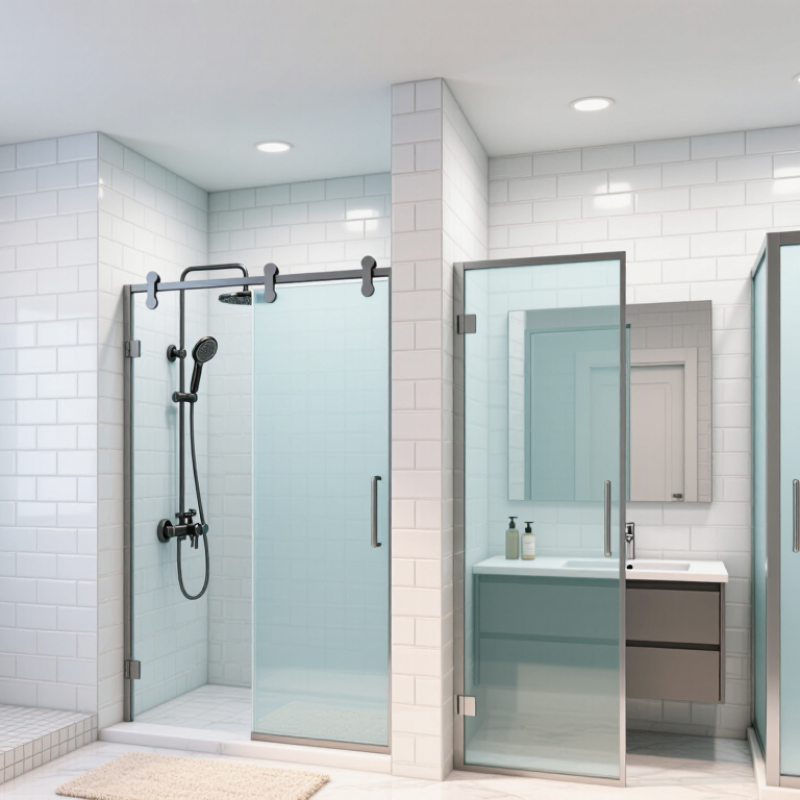
A shower door enclosure controls water with glass panels, seals, and a frame or support system. Hinged doors swing from wall-mounted hinges, while sliding doors travel along tracks. Fixed panels create a walk-in opening, but they do not contain splashes as well as a fully closing door. Small differences matter.
Tempered safety glass is commonly used because it is designed to break into smaller pieces if severely damaged. Glass thickness, panel size, and hardware all affect stability and feel. Thicker glass can feel more substantial, but the wall and fittings must support its weight. A secure installation matters more than a heavy-looking door.
The bathroom layout helps determine which enclosure works best. Measure the opening at the top, middle, and bottom; walls are not always perfectly straight. Check door clearance near toilets, vanities, and towel bars. A hinged door needs swing space. A sliding door saves room, though its track needs regular cleaning to limit soap buildup. Not glamorous.
Seals at the door edges and bottom reduce leaks, but no enclosure can compensate for a poorly sloped shower floor. Water should drain away from the opening. That detail is easy to overlook. I would also consider daily upkeep: frameless designs have fewer metal surfaces, yet more exposed glass may mean more wiping. The best fit balances access, splash control, installation conditions, and the maintenance a household will actually do.
Which Enclosure Styles Fit Different Bathroom Layouts?
A shower enclosure should follow the room’s shape, not just its style. In a narrow alcove, a sliding door keeps its swing out of the walkway. Measure the opening at the top, middle, and bottom; older walls are often slightly uneven. A small mismatch can make installation fiddly.
Hinged doors suit bathrooms with clear floor space beside the shower. Leave room for the door to open without hitting a vanity, towel rail, or toilet. For a tight corner, a neo-angle enclosure can soften the footprint and free up the center of the room. Its angled panels may take more careful measuring, though. Check where the handle lands, too.
A fixed glass panel can make a compact walk-in shower feel less boxed in. It works best when the showerhead points away from the opening and the floor slopes reliably toward the drain. Otherwise, water may escape onto the tiles. Not ideal. In larger bathrooms, a wider walk-in layout offers easier entry, but it needs enough space to control splashing. Clearances matter more than showroom photos suggest. I also find that the most open-looking option is not always the most comfortable; cold drafts and wet floors change the experience. Before choosing, sketch the door swing, fixtures, and usual walking path on the floor with painter’s tape.
What Materials and Features Matter in 2026?
In 2026, start with the glass and safety documentation. National Glass Association technical guidance describes fully tempered glass as roughly four times stronger than annealed glass. It also breaks into smaller pieces if it fails. For covered shower-door glazing, U.S. CPSC regulations include a Category II impact test at 400 foot-pounds. Ask the installer for documentation showing the glass meets applicable safety-glazing standards. Thickness matters, but it is not a substitute for correct hardware and installation. A heavy panel on poorly secured hinges can still cause trouble.
Look closely at finishes and moving parts. A protective glass coating may reduce mineral spotting, but it will not eliminate wiping, especially in hard-water areas. Small detail. Check whether hinges, seals, and bottom sweeps can be replaced; these parts help keep the door aligned and contain splashes. Stainless-steel hardware resists corrosion, though its quality and maintenance still matter. Frameless designs create an open feel, but they leave less room to hide uneven walls or sloppy sealing. I would inspect the threshold and door swing in person, not just judge a showroom photo. A beautiful enclosure can still drip onto the bath mat.
How Do Safety, Cleaning, and Installation Needs Compare?
Choosing a shower enclosure in 2026 means weighing safe access, everyday cleaning, and the shape of your bathroom. Tempered safety glass is common, but check the product’s documentation and follow its installation instructions. Thick glass can feel sturdy, yet the door still needs secure, correctly aligned hardware. A poorly supported hinge is a real concern, not a style detail.
Frameless doors usually have fewer tracks where soap residue can collect. They also show water spots clearly, especially on glass beside a bright window. Framed or semi-framed designs may conceal some splashes, but their channels and seals can take longer to clean. No option is maintenance-free. A quick squeegee after each shower helps, though busy households may not keep that habit.
Installation needs can decide the best fit. A swinging door needs clear floor space and enough room to open without hitting a vanity or towel bar. Sliding doors save that space, but their tracks need regular attention. Measure the opening at several points; older walls are not always square. Measure twice. Check the wall structure, floor slope, and plumbing before ordering, and use a qualified installer when the enclosure’s weight or wall condition is uncertain. I would not choose by appearance alone; the easiest door to live with may be less striking in a showroom.
Shower Door Enclosures: Cleaning and Installation Comparison
Indicative planning ratings for common enclosure styles. Higher scores mean easier cleaning or simpler installation; these are comparative judgments, not standardized test results.
Safety: Any style can be safe when it uses code-compliant safety glazing and is correctly installed with suitable wall anchoring. Frameless doors are often heavier, so proper hardware and installation are especially important. Check the manufacturer’s care and installation instructions for the specific enclosure.
How to Match an Enclosure to Your Space and Budget
For a 2026 shower enclosure, start with the room’s tightest constraint: door swing, curb position, or a nearby vanity. Sliding doors work well in narrow bathrooms because the panels stay within the opening. Hinged doors need clear floor space. Measure twice. Framed or semi-frameless models can keep hardware and installation simpler, while frameless glass gives a more open sightline. Ask an experienced installer to check wall support before choosing heavier glass.
Set your budget around the full installation, not just the glass. Houzz’s 2024 U.S. Bathroom Trends Study reported a $15,000 median spend for primary-bathroom remodels in 2023, up from $13,500 in 2022. That figure covers whole-room projects, not shower enclosures alone. Request an itemized quote for glass, hardware, labor, removal, and any waterproofing repairs. Keep a contingency for surprises behind old tile. A clear panel can make a small bathroom feel brighter, but it also shows water spots quickly. The right choice balances clearance, upkeep, and the amount you can comfortably spend.