How to Buy Butterfly Specimens from Trusted Suppliers?
Buying a Butterfly Specimen should involve more than choosing the brightest wings. A trusted supplier can explain where an item came from, how it was obtained, and how its identity was verified. Clear answers matter. So does a detailed label.
There is a conservation reason to ask. The European Environment Agency’s European Grassland Butterfly Indicator reported an approximately 36% decline in monitored populations between 1990 and 2020. This indicator tracks selected grassland species; it does not describe every butterfly or measure the specimen market. Still, it shows why responsible sourcing deserves attention. The IUCN Red List can help buyers understand species’ conservation status, while the CITES Trade Database provides records for species covered by CITES. Neither resource verifies every specimen or replaces careful supplier checks.
A reliable seller should provide a scientific name, country of origin, and a clear account of sourcing. Where relevant, ask for permits or other documentation and confirm that the species and transaction comply with applicable rules. Do not treat polished photographs or a certificate alone as proof. Paperwork can be incomplete, and labels can be mistaken. That is worth remembering. Compare details, request close-up images, and ask how specimens are prepared and stored. A dry, intact specimen with consistent labeling is easier to assess than one with vague provenance. This guide explains practical checks for choosing suppliers, recognizing warning signs, and making informed, conservation-conscious purchases.
Identify the Butterfly Species and Specimen Type Before Buying
Before comparing prices, confirm the butterfly’s scientific name, not just its common name. Common names can vary by region, and similar species may look nearly identical. Ask for clear photographs of both sides of the specimen, plus its collection or rearing location when available. Check details such as wing markings, sex, and condition against a reliable field guide or museum reference. Small differences matter.
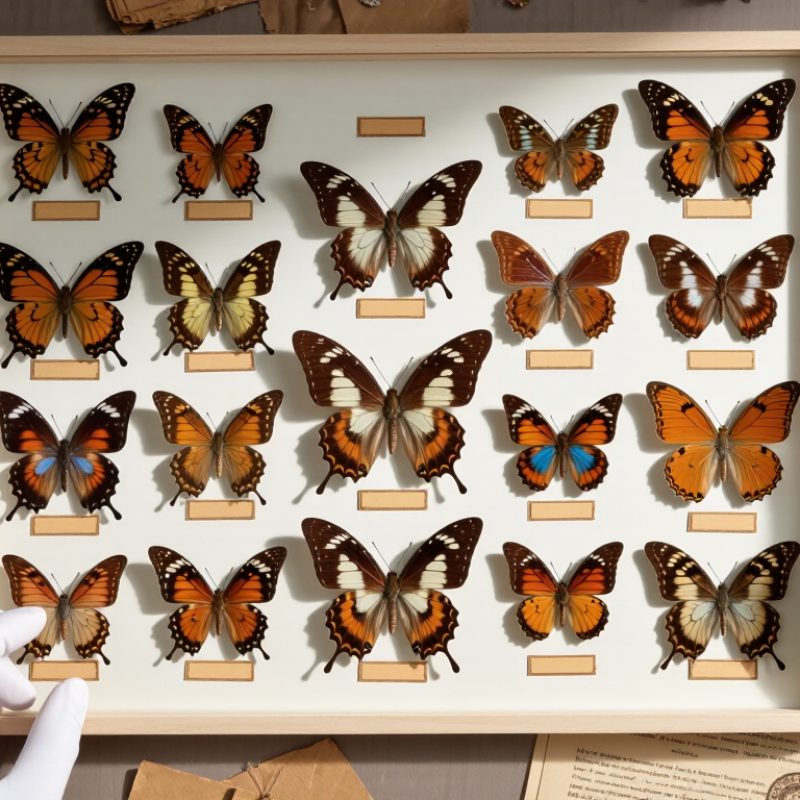
Then decide which specimen format suits your purpose. A spread, pinned butterfly shows wing shape and pattern; a papered specimen is compact but less display-ready. Framed examples need close inspection for fading, loose wings, or condensation marks. Ask how the specimen was sourced and request supporting records, such as a locality label or captive-rearing information.
Confirm that its sale and shipment comply with applicable rules, especially for protected species or cross-border orders. A careful supplier should answer plainly and provide consistent descriptions. If the label is vague, pause. I have found that even attractive specimens can arrive with details missing, so request written confirmation before paying.

Check CITES Status Across Its 3 Appendices
Before buying a butterfly specimen, check its exact scientific name against the current CITES appendices. Common names can be vague, and similar-looking species may have different listings. Names matter. Appendix I includes species facing the greatest trade-related risk; international commercial trade is generally prohibited, with limited exceptions. Appendix II allows regulated trade, usually requiring an export permit or re-export certificate. Appendix III covers species protected in at least one country, so required documents depend on the specimen’s origin and route.
Ask the supplier for the scientific name, country of origin, and copies of relevant permits or certificates before paying. Match the paperwork to the specimen and seller; a document for a related species is not enough. Keep the paperwork. Appendix status can change, and national rules may be stricter than CITES requirements. Check current guidance with the relevant wildlife authority, especially when a specimen will cross borders. A neat label and a confident explanation are useful, but they do not replace verifiable records. I would still pause if the origin is unclear or the documents do not align. A trusted supplier should welcome careful questions.
Verify Permits and CITES Source Codes C, F, or W
Before buying a butterfly specimen, match its scientific name to the paperwork; common names can hide important differences. CITES reports that its Appendices cover more than 40,900 animal and plant species, so check whether the exact species is listed. The CITES Trade Database records reported international trade by species, source, and purpose. It is useful for context, but it does not replace checking the specimen’s own permits.
Read the source code carefully. C means captive-bred under CITES rules; F means born in captivity but not meeting that formal definition; W means taken from the wild. A code alone does not prove that a sale meets every applicable requirement. Ask the supplier for copies of relevant permits, an invoice, the scientific name, and the stated source and origin. Where needed, confirm documents with the relevant CITES Management Authority before paying. Check that names, dates, quantities, and codes agree across the records. Small mismatches matter. Even careful buyers can misread paperwork; pausing to verify it is better than relying on a reassuring product description. CITES species figures and trade records are available through the CITES website and its Trade Database, managed with UNEP-WCMC.
Audit Supplier Traceability Through Origin and Transaction Records
Buying butterfly specimens responsibly starts with a clear paper trail. Ask the supplier for the scientific name, collection or breeding origin, and acquisition date. The description should identify whether a specimen was captive-bred, farm-raised, or legally collected. Vague wording such as “estate stock” needs clarification. A polished label is not proof.
Compare the origin details with transaction records. An invoice should describe the specimen accurately and match the quantity, date, and seller shown on related documents. Where applicable, request copies or reference numbers for permits and export documents, then verify them with the relevant authority. Check the rules for both the shipment’s origin and your location; requirements vary. Keep emails, receipts, and specimen labels together. Small mismatches matter.
Records can be incomplete, even when a seller is acting in good faith. Ask for a correction before purchasing if names, dates, or quantities conflict. A supplier who can explain gaps plainly is more credible than one who avoids specific questions. I would not treat a neat file as certainty; it is one part of a careful assessment. For valuable specimens, an independent expert can help confirm identification and documentation.
How to Buy Butterfly Specimens from Trusted Suppliers? - Audit Supplier Traceability Through Origin and Transaction Records
Use this audit table to compare supplier claims with source, permit, shipment, and transaction records. Requirements vary by species and jurisdiction; verify applicable rules with the relevant authorities before purchase.
| Audit dimension | Records to request | Traceability checks | Acceptable evidence | Warning signs |
|---|---|---|---|---|
| Species identification | Scientific name, specimen or lot reference, and identification record | Confirm the name is consistent across invoices, permits, labels, and shipment documents. Check current conservation-trade listings where relevant. | Matching scientific name and lot reference; supporting identification details where needed | Common name only, inconsistent names, or a species description too vague to verify |
| Origin and collection locality | Country and, where lawful and safe to disclose, locality; collection or rearing date; source declaration | Check that the stated origin is specific enough to compare with collection rules and matches the source and transport records. | Dated source record identifying the origin and whether specimens were wild-collected or captive-bred | Origin described only as “local” or “farm raised,” with no supporting records |
| Legal collection or breeding | Applicable collection authorization, land access permission, or breeding and stock records | Verify issuing authority, validity dates, authorized species, location, and quantity against the lot being offered. | Legible, verifiable authorization or records that cover the source, species, and relevant period | Expired or unrelated authorization, unexplained volume, or no evidence of lawful source |
| Protected-species and trade checks | Species-specific CITES documentation, if applicable, plus any required national permits | Check current listings and applicable import, export, and re-export rules for the species and countries involved. Not every butterfly species is CITES-listed. | Required permits match the species, source, quantities, shipment, and permit conditions | A blanket claim that no permit is ever needed, or documents that do not match the shipment |
| Supplier-to-buyer transaction | Dated invoice or sales record, seller and buyer details, lot ID, species, quantity, and terms | Confirm that the purchased lot can be linked to the source record and that invoice quantities agree with the order. | A sequential, dated transaction record with a unique lot or batch reference | Cash-only transaction with no receipt, missing lot reference, or quantity discrepancies |
| Shipment and custody chain | Packing list, shipping record, customs documents where applicable, and receiving record | Follow the lot reference through dispatch and receipt; compare dates, parties, route, and declared quantities. | Chronological records connecting the dispatched lot to the quantity received | Unexplained gaps, altered quantities, or shipment dates that conflict with permits |
| Quantity reconciliation | Source quantity, sales quantity, shipment quantity, and remaining stock or loss records | Reconcile totals at each transfer. Require an explanation for any difference, including documented damage or lawful processing. | Consistent totals or a documented, auditable explanation for variances | Sales or shipment quantities exceed documented source quantities |
| Record retention and verification | Record index, document dates, and contact or reference details for issuing authorities where appropriate | Check that records are readable, retrievable, internally consistent, and capable of independent verification. | A complete file linked by lot ID, with original or verifiable document references | Refusal to provide relevant records or reliance on unsupported verbal assurances |
Purchase decision: Proceed only when the origin, legal source, transaction trail, and shipment quantities can be reconciled for the specific lot.
Confirm Destination-Country Import Rules for Protected Species
Before buying a butterfly specimen, check the destination country’s current import rules for its exact scientific name. Common names can be ambiguous. A species may be protected even when a seller describes it as captive-bred or readily available. For listed species, international trade controls may apply, and the destination authority may require specific documents or permits.
Ask the supplier for the scientific name, country of origin, and clear records of lawful sourcing. A label saying “farm-raised” is not enough. Confirm requirements directly with the destination country’s customs or wildlife authority before paying; rules can differ by species and may change. Also check whether regional rules, quarantine procedures, or shipping restrictions apply. Keep written guidance and supplier records with your purchase documents. Small paperwork details matter.
It is tempting to rely on a seller’s assurance, but that leaves an important gap: the buyer remains responsible for checking destination requirements. If official guidance is unclear, pause the order and request clarification from the relevant authority. Better to wait. A careful check protects the specimen, supports responsible trade, and helps prevent avoidable delays at the border.

