" "

Blog

How to Buy Pella Windows and Doors in 2026?

Buying Pella Windows & Doors in 2026 is not just a style decision. It affects comfort, energy use, noise, and the feel of a room. The U.S. Department of Energy estimates that heat gain and loss through windows account for about 25%–30% of residential heating and cooling energy use. That makes glass type, frame material, climate, and installation worth comparing—not just the sticker price. Details matter.

Building-science expert Dr. Joseph Lstiburek has offered a blunt reminder: “Windows are holes in the wall.” It is a useful way to think about the purchase: even an attractive window must work as part of the home’s full thermal and weather barrier. For a broader cost perspective, Remodeling magazine’s 2024 Cost vs. Value report compares typical project costs with resale values across U.S. markets. Those figures are national benchmarks, not promises for your home. Local labor, opening condition, and product choices can shift the final quote.

This guide will help you compare Pella series, materials, glass options, warranties, and buying channels. Bring room measurements, photos, and notes about drafts or difficult-to-reach windows when requesting estimates. Ask whether installation, trim, disposal, and permits are included. Then compare written quotes line by line. The first estimate may still leave questions. That is normal—and worth resolving before you order.
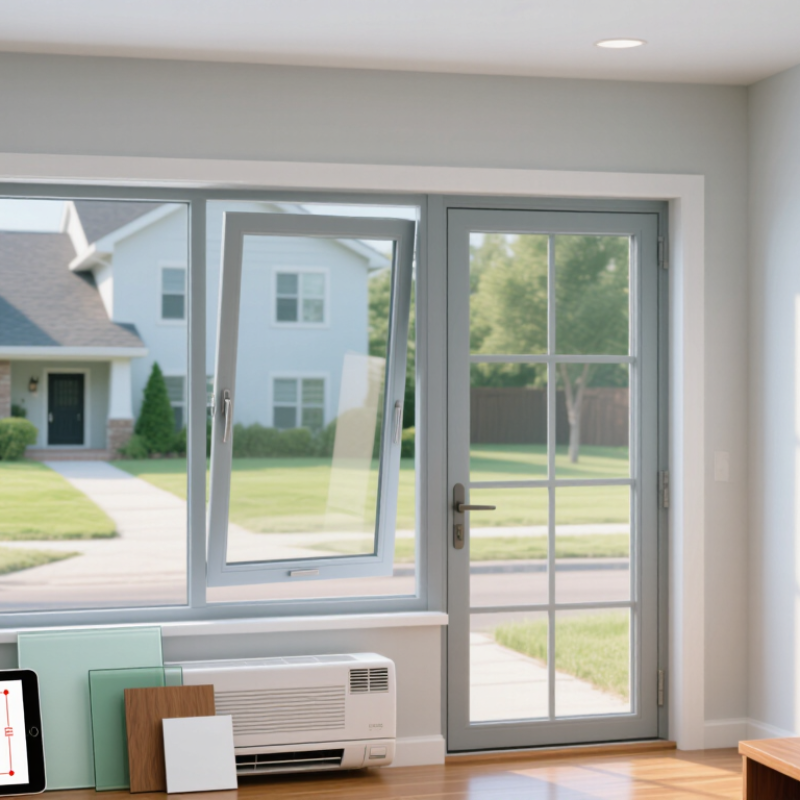
How to Buy Pella Windows and Doors in 2026?

Assess Your Window and Door Needs

Before comparing products, inspect each room at different times of day. Note drafts near the sill, sticking sashes, interior condensation, street noise, and direct afternoon sun. A wet corner does not always mean a failed window; indoor humidity and ventilation can contribute. Check the frame for soft or damaged wood, too. Small details matter.

The U.S. Department of Energy’s Energy Saver guidance estimates that windows account for about 25%–30% of residential heating and cooling energy use through heat gain and loss. That makes orientation and local climate practical buying considerations, not just technical ones. List which rooms overheat, feel cold, or need better daylight. Then compare performance ratings: the National Fenestration Rating Council label reports U-factor and solar heat gain coefficient, helping you assess insulation and sunlight transmission. Lower U-factor generally means less heat transfer; the right solar heat gain depends on climate and exposure. Check the label.

Finally, measure existing openings and record how each window operates. A casement, slider, or fixed unit can affect ventilation, access, and furniture placement. I would not assume every old window needs replacement; that judgment can be wrong. Separate urgent repairs from comfort upgrades, and note your budget, noise concerns, and preferred maintenance level before requesting estimates. Sources: U.S. Department of Energy, Energy Saver, “Update or Replace Windows”; National Fenestration Rating Council, window-label guidance.

Compare Pella Product Types, Materials, and Features

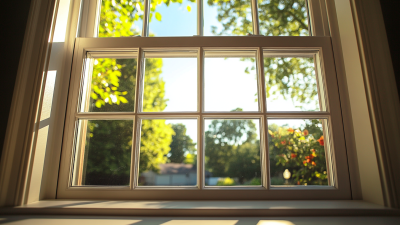
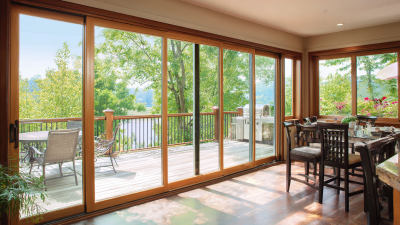
Choosing windows and doors in 2026 starts with the opening, climate, and everyday use. Double-hung windows suit rooms where you want familiar operation and easier ventilation. Casement styles crank outward, which can help direct breezes indoors. Sliding doors save swing space near a patio, while hinged doors need room to open. Measure each opening carefully, and confirm whether replacement work must account for an older frame.

Material affects upkeep, appearance, and performance. Vinyl generally needs little routine maintenance; wood offers a warm interior finish but may need periodic care. Fiberglass can provide a stable frame, though finishes and costs vary by product. Compare glass packages, weather seals, locking hardware, and published energy ratings—not just frame samples. A beautiful display can feel different beside a cold, drafty wall. I would also check warranty terms and installation details; product quality alone cannot fix a poor fit.

Tips: Bring room measurements, photos, and a rough budget to the consultation. Ask for itemized quotes and the exact glass and frame options. Compare the same specifications across bids. Small details matter. If a feature sounds impressive, ask how it helps in your own home.

Find an Authorized Seller and Request Itemized Quotes

Start with the manufacturer’s official dealer locator, then call the seller to confirm authorization for the exact window or door line you want. Ask who measures, installs, and handles service if something needs attention. Request those responsibilities in writing. A polished showroom is reassuring, but it does not answer every practical question.

Ask for an itemized quote, not just a total. It should list product sizes, frame and glass options, hardware, installation labor, trim, removal, disposal, and any delivery charges. The U.S. Department of Energy estimates that windows account for 25–30% of home heating and cooling energy use. Compare each option’s U-factor and solar heat gain coefficient, rather than relying on vague claims about efficiency. Small details matter.

Tips: Get two or three quotes based on the same measurements and options. Check that the seller has included every room and opening; one missed bathroom window can distort the comparison. Keep the product specifications beside each quote. The lowest figure may still be the least clear, and that deserves a second look.

Confirm Measurements, Options, Pricing, and Lead Times

Before requesting a quote, measure each opening in several places: across the top, middle, and bottom, then from sill to head on both sides. Record the smallest figures, note whether the frame is square, and take clear photos. Don’t assume two windows in the same room match. Small differences matter.

Ask the installer to confirm the measurement method and who is responsible if the finished unit does not fit. Then compare options such as frame material, glass packages, colors, screens, and hardware. Choose based on the room’s exposure and your maintenance preferences, not just a showroom sample. A polished estimate can still hide assumptions, so request an itemized price covering labor, removal, trim, delivery, and any likely repairs. Check twice.

Lead times can shift with custom sizes, selected finishes, seasonal demand, and shipping. Ask for a current written estimate, an expected delivery window, and how delays will be communicated. Confirm whether the quoted date refers to delivery or installation; those are not always the same. Keep the paperwork, approved specifications, and measurement notes together. If a detail feels vague, ask for it in writing before you pay a deposit.

Arrange Installation and Review Warranty Coverage

Before installation, confirm the exact window sizes, frame materials, glass options, and opening directions on the written order. Ask who will measure, install, seal, and remove the old units. Get the work scope in writing, including interior trim, exterior flashing, cleanup, and disposal. Small details matter. A missing screen or mismatched handle can be frustrating to resolve later. Move furniture away from the openings and protect nearby floors, but ask the crew what preparation they expect. Weather can also shift the schedule, so leave some flexibility.

After installation, inspect each window and door before signing off. Open and close them, check locks, and look for visible gaps or damaged finishes. Take clear photos of any concerns and request written follow-up dates. Then review the warranty documents, not just the sales summary. Check which parts are covered, how long coverage lasts, and whether labor or installation problems are included. Some terms may require routine care or proof of purchase. Keep the order, receipts, warranty, and installer details together. I would not assume that every issue is covered; ask how to submit a claim and who handles it. That extra conversation can feel tedious, but it may prevent confusion when a repair is needed.