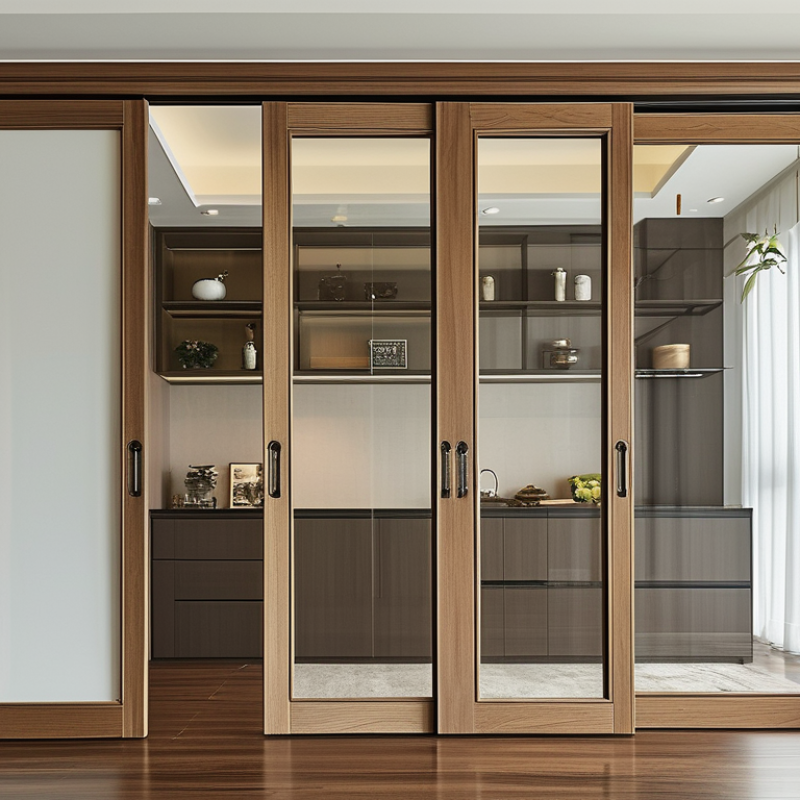
How to Choose the Best Pocket Door for Your Home?
Choosing the right Pocket Door can transform your home's layout. A well-selected Pocket Door saves space and adds elegance. With several options available, it's vital to consider functionality and design.
These doors slide into the wall, creating an open space when needed. They can enhance privacy without taking up floor area. However, not all Pocket Doors are equal. Quality matters. A poorly installed door can become a headache.
Research different styles and materials. Solid wood offers charm, while glass provides modern appeal. Think about the hardware as well. Sturdy, reliable tracks ensure durability. Don't rush your choice; it reflects your home's character. A thoughtful decision will enhance your living space.
Understanding Pocket Doors: Types and Benefits
Pocket doors are a unique solution for maximizing space in your home. They slide into the wall, creating a seamless entryway without the need for swinging doors. This design is particularly beneficial for smaller rooms where traditional doors might hinder movement. They can enhance the flow in open-plan spaces. However, the installation process can be tricky and may require professional help.
There are several types of pocket doors to consider. Single pocket doors are perfect for tight spaces, while double pocket doors create a grand entrance. Another option is bi-parting doors, offering flexibility and style. Each type has its advantages, but maintenance can be an issue. Tracks may need lubrication over time. Consider the thickness of the wall as well; not all walls accommodate pocket doors easily.
The benefits extend beyond aesthetics. Pocket doors can improve room functionality and privacy. They give the illusion of more space. However, they may limit access to some electrical outlets or light switches. This can be a drawback that requires careful planning. Overall, pocket doors are an effective choice for modern living spaces but require thoughtful consideration.
Key Factors to Consider When Choosing a Pocket Door
When selecting a pocket door for your home, several key factors should be top of mind. Space is essential. Pocket doors slide into the wall, freeing up valuable floor space. This feature is particularly beneficial in compact areas like small bathrooms or hallways. Assess the size of your openings. A door that is too large or too small can disrupt the flow of your space.
Material choice also plays a significant role in durability and style. Solid wood offers warmth and sturdiness, while hollow-core doors are lighter and more affordable. Think about the finish too; painted or stained options can compliment your decor. Additionally, consider the track system. A robust mechanism ensures smooth operation and longevity. Installation might seem straightforward, but a flawed setup can lead to significant problems later.
Don't underestimate the aesthetic impact. A pocket door can enhance your interior design. Choose patterns or styles that resonate with your home’s theme. Remember to reflect on your needs. Are you prioritizing privacy or accessibility? An informed choice leads to better satisfaction down the line. Always measure twice before purchasing. Accuracy can save time and money.
How to Choose the Best Pocket Door for Your Home? - Key Factors to Consider When Choosing a Pocket Door
| Feature | Description | Considerations |
| Material | Common materials include wood, MDF, and glass. | Choose based on durability and design preference. |
| Size | Available in various sizes to fit different openings. | Measure the doorway accurately to ensure a proper fit. |
| Track System | Different types of track systems are available for smooth operation. | Consider ease of installation and maintenance. |
| Aesthetics | The style should match your home interior. | Choose finishes and designs that complement your existing decor. |
| Price | Varies widely based on material and brand. | Set a budget according to your requirements. |
Material Options for Pocket Doors: Pros and Cons
Choosing the right material for pocket doors is crucial for both functionality and aesthetics. Many homeowners often overlook this decision. Common options include wood, fiberglass, and metal. Each material has its own advantages and downsides.
Wood is classic and versatile. It offers excellent insulation and a warm appearance. However, it can warp over time, especially in humid conditions. According to a report from the National Association of Home Builders, wood is preferred by 60% of homeowners for its traditional feel. Maintenance costs can add up, considering the need for periodic refinishing.
Fiberglass pocket doors are gaining popularity. They resist dents and scratches and are easier to maintain than wood. Their energy efficiency is another plus, with a 30% improvement noted in some studies. However, they can lack the charm that wood provides. Metal options are durable and secure, making them ideal for high-traffic areas. Nonetheless, they can be cold and uninviting.
Choosing the right pocket door involves balancing these pros and cons. A choice that works for one space may not suit another. Each material deserves careful consideration based on your home’s needs. Reflect on your priorities to make an informed decision.
Measuring for a Pocket Door: Essential Steps
Measuring for a pocket door involves careful planning. Start by determining the door's location. Consider nearby fixtures, wall space, and accessibility. A pocket door slides into the wall, so make sure the wall isn’t obstructed by electrical wiring or plumbing. Take a moment to visualize where the door will go.
Next, you need precise measurements. Measure the door opening height and width. An inaccurate measurement can cause issues later. Typically, pocket doors require a rough opening that is at least an additional inch wider than the door itself. Remember to account for the wall thickness as well. This oversight can lead to frustration during installation.
Consider the door's style and weight. Heavier doors may require more robust hardware. Depending on the door material, different hinges or tracks might be necessary. Don't rush this step. Reflect on how the door’s weight will affect the pocket system over time. It’s better to invest time upfront than to struggle with installation later.
Installation Tips for Your New Pocket Door
Installing a pocket door can be a rewarding project, but it does come with its challenges. Start by ensuring you have enough wall space. Pocket doors require a hollow wall, which may not be available everywhere. Measure carefully to ensure the door can slide away without obstruction. You might think it looks easy, but miscalculations can lead to frustrating mistakes.
When you’re ready to install, align the track perfectly. Even a slight misalignment can cause the door to stick or jam. Use a level to check your work. Most people skip this step, thinking it will be fine. But precision matters. If you are unfamiliar with carpentry, seek help or advice. It’s better to take your time than to redo it later.
Once the frame is in place, add the drywall carefully. Taping and mudding the seams can be tricky. Many DIYers get uneven surfaces. Patience is key here. A smooth finish takes time, and rushing can lead to ugly results. This is not the time for shortcuts. Consider investing in extra materials for practice runs. It might save you from future headaches.