
" "

Blog

10 Luxury Royal Bed Buying Tips for Global Buyers

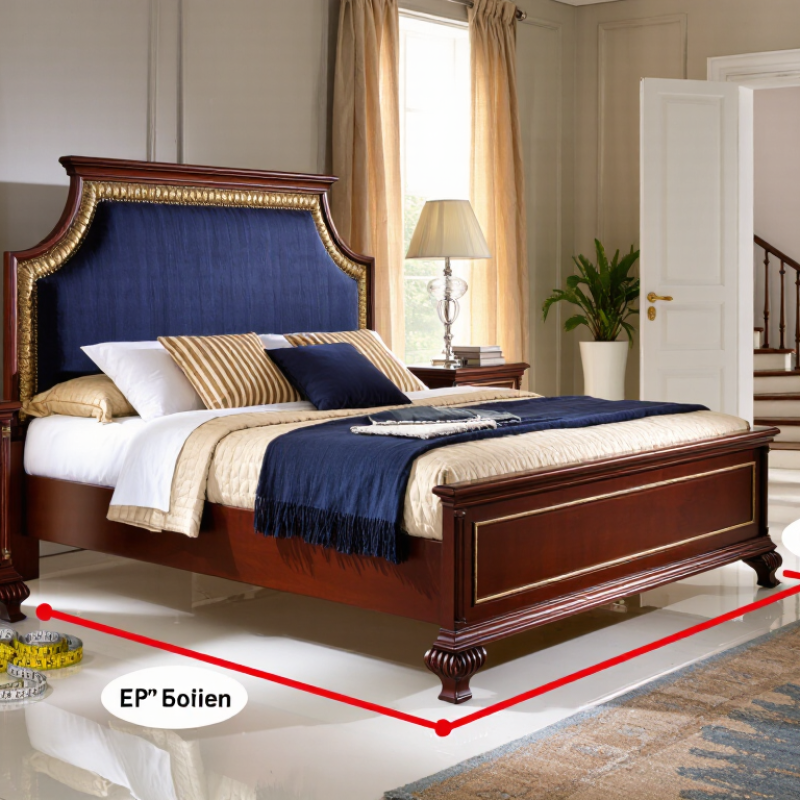
A Luxury Royal Bed can transform a bedroom, but photographs rarely show how its scale feels in a real home. Tall headboards, carved details, and wide frames may look impressive online. They can also overwhelm a modest room or complicate delivery through narrow stairways. Measure the room, doorways, lift, and access route before comparing designs. Measure twice.

For buyers purchasing across borders, appearance is only one part of a sound decision. Check the frame dimensions, materials, finish, mattress compatibility, assembly requirements, and stated weight capacity. Ask the seller for written specifications and clear images of joints, upholstery, and storage components. Confirm packaging, delivery estimates, installation options, and what happens if an item arrives damaged. Details matter.

The right choice depends on more than price or ornament. Solid construction, usable proportions, and finishes suited to daily care can matter more than a dramatic showroom image. A polished photo may conceal awkward proportions; that is worth remembering. Compare the full delivered cost, including shipping and any destination charges that apply, and keep important answers in writing. Product claims deserve careful checking, not automatic trust. The ten buying tips that follow offer a practical way to assess design, comfort, quality, and service before committing. Some buyers may still discover a detail they missed. That is why a calm review of measurements and seller documentation is useful, especially when a bed must travel far.
10 Luxury Royal Bed Buying Tips for Global Buyers

Map Room Fit to Local Sizes: UK King Beds Measure 150 × 200 cm (NBF)

10 Luxury Royal Bed Buying Tips for Global Buyers

A UK king mattress measures 150 × 200 cm, according to the National Bed Federation. Check that figure before ordering: “king” does not mean the same size in every country. A US king, for example, has different dimensions. Also confirm whether a retailer lists the mattress size or the complete bed frame. A decorative headboard and thick side rails can add several centimetres. Small difference. Big surprise.

Tips: Measure the room in centimetres, then mark the bed footprint with masking tape. Leave space to open drawers and walk around the sides. Check doorways, stair turns, and lift dimensions before delivery. Measure bedside tables and nearby radiators, too. These details are easy to overlook. I have found that a paper floor plan feels reassuring, but a real tape measure catches awkward corners better.

For a spacious, royal-inspired look, pair the king mattress with a tall upholstered headboard or carved wood frame. Confirm the mattress depth and the frame’s supported dimensions with the seller. Imported bedding may use another sizing system, so compare its label against 150 × 200 cm rather than relying on “king.” If possible, keep a little clearance around the frame. Exact-fit plans can look elegant on paper, but rooms are rarely perfect rectangles.

Match Mattress and Base: EN 1725:2023 Sets Bed Safety-Test Requirements

A royal-style bed may look regal, but its mattress and base must work as one tested system. EN 1725:2023 sets safety, strength, and durability requirements for adult beds, including test methods. Check that the exact base configuration has been assessed—not merely a similar frame. A heavy mattress can change how a base responds under load.

Tip: Ask for the test report or a clear statement of the tested mattress and base combination. Confirm the intended user weight and assembly instructions, too. A label alone tells you little. Measure the mattress depth against the frame; a tall mattress can hide the side rails and make entry awkward.

The market is broad: Grand View Research estimated global mattress-market revenue at US$51.34 billion in 2023. That figure reflects market scale, not product safety, so use EN 1725:2023 documentation for the technical check. In my experience, buyers often focus on upholstery and overlook compatibility. I would still verify details with the seller, because product variants and test scope can be easy to misunderstand.

Screen Upholstery for Chemicals: OEKO-TEX® STANDARD 100 Tests 1,000+ Substances

A royal bed may look impressive under soft lighting, but its upholstery deserves a closer check. Fabric, dyes, thread, and finishing treatments can all affect what touches your skin. Ask whether the exact upholstery material has been tested to OEKO-TEX® STANDARD 100, rather than relying on a general claim about the bed. The standard tests textile components for more than 1,000 harmful substances, with limits that vary by product type and intended use. Details matter.

Request the certificate information and confirm that it covers the fabric used on your chosen bed. A certificate for one textile does not automatically apply to every cushion, trim, or lining. Check its validity and product scope, too. If you can, ask for a fabric swatch and inspect its color and texture in daylight; a chemical-testing label cannot tell you whether the material will suit your room or wear well. I would not treat any label as a guarantee of zero chemicals. That is too absolute. It is one useful piece of evidence, alongside clear product details and a seller willing to answer specific questions.

Chemical Screening for Upholstery Textiles

A useful benchmark for luxury bed buyers: STANDARD 100 testing screens textiles for more than 1,000 potentially harmful substances.

The bar shows 1,000 as a visual lower bound; the “1,000+” figure means the screening covers more than 1,000 substances. Ask suppliers for current certification covering the specific upholstery fabric.

Verify Organic Linen Claims: GOTS Requires ≥70% Organic Fibres for “Made With”

When choosing a luxury royal bed set, treat “organic linen” as a claim to verify, not a decorative phrase. GOTS Standard 7.0 sets a minimum of 70% certified organic fibres for products labelled “made with organic” materials; the “organic” grade requires at least 95%. The remaining fibres must also meet the standard’s applicable requirements. Check that the certificate is current and covers the product type and processing site. A supplier’s certificate alone may not prove that a particular shipment is covered.

The scale makes careful checking worthwhile. Textile Exchange’s Materials Market Report 2024 estimates that global fibre production reached 124 million tonnes in 2023. That figure covers many fibre types, not just linen, but it shows why clear sourcing details matter. Ask for the flax fibre’s origin and supporting certification records. For a costly bed set, request shipment-level evidence where available. A polished label is not enough.

Tip: Read the exact wording. Confirm the organic percentage, certificate scope, and product details before buying. Feel the fabric, too: a crisp, cool hand can suggest linen, but touch cannot prove organic content. I would not treat a vague “eco” claim as a substitute for paperwork. Even well-presented documents can leave questions, so ask who certified the material and when.

10 Luxury Royal Bed Buying Tips for Global Buyers — Verify Organic Linen Claims: GOTS Requires ≥70% Organic Fibres for “Made With”
No. Buying Dimension What to Verify Practical Buyer Check
1 Organic-fibre claim Under GOTS labelling criteria, a textile product labelled “made with organic materials” must contain at least 70% certified organic fibres. The “organic” grade requires at least 95% certified organic fibres. Request a valid scope certificate and product-specific transaction documentation. Check the stated percentage against the product’s fibre composition; do not rely on the word “organic” alone.
2 Meaning of “linen” “Bed linen” can mean bedding generally, while linen as a fibre is made from flax. These are not interchangeable descriptions. Ask for the exact fibre content by percentage, such as flax linen, cotton, or a stated blend. Confirm that the fibre description matches the sewn-in label and purchase documents.
3 Certification scope A certificate may cover a facility, product category, or processing stage rather than every item in a collection. Match the certificate holder, product type, processing scope, and validity dates to the specific bedding being purchased. Verify the certificate through the relevant certification body or standard system.
4 Fibre composition and blends Blended textiles should identify each fibre and its proportion. A product’s organic claim should not be confused with a claim that every component is organic. Check the composition label for the shell and, where relevant, the filling, piping, and decorative panels. Ask which components are included in the certification and which are excluded.
5 Mattress and bed dimensions Bed-size names and actual mattress measurements differ between countries and manufacturers. “King” or “super king” does not guarantee a universal size. Measure the mattress width, length, and depth in centimetres or inches. Compare those measurements with the fitted sheet’s stated mattress range and pocket depth before ordering.
6 Sheet construction Weave, fibre, and finishing affect feel and care. Percale is typically a crisp plain weave; sateen has a smoother, lustrous surface. Thread count alone does not establish quality. Prioritize the stated fibre, weave, fabric weight or construction details, and return policy. Treat unusually high thread-count claims cautiously unless the counting method is explained.
7 Colour and finishing claims Claims such as “undyed,” “natural colour,” or “low-impact dye” describe different things and should be supported by clear product information. Ask whether the fabric has been bleached, dyed, printed, or otherwise finished, and request applicable certification or test documentation for any specific chemical-safety claim.
8 Care and durability Washing instructions depend on fibre, weave, dye, and finishing. High heat and unsuitable detergents can cause shrinkage, fading, or fibre damage. Review the care label before purchase. For a fitted sheet, confirm whether the stated size accounts for mattress depth and whether the manufacturer provides shrinkage guidance.
9 Complete bed-set contents “Set” and “bedding bundle” contents vary. Pillowcases, duvet covers, flat sheets, and inserts may be sold separately. Check the itemized contents, piece count, pillowcase dimensions, and closure type. Confirm whether a duvet insert or mattress protector is included rather than assuming it is.
10 International delivery and returns Import duties, taxes, delivery charges, return shipping, and consumer rules vary by destination and seller terms. Before paying, confirm the delivery country, total landed cost, delivery estimate, return window, return address, and who pays return postage. Keep the invoice and product-label details.

Check Timber Provenance: FSC Chain of Custody Tracks Certified Materials

When assessing a luxury royal bed, ask where its timber came from—not just how its carved posts look. The FAO’s Global Forest Resources Assessment 2020 estimates that forests cover 4.06 billion hectares, around 31% of the world’s land area. A large supply base makes traceability important. FSC’s 2023 reporting records more than 160 million hectares of certified forest, while its Chain of Custody system tracks certified material through processing and trade.

Ask the seller for the FSC certificate code and the exact product claim, then check that the certificate is valid in FSC’s public database. Match the claim against the quotation and invoice; “FSC-certified” should not be treated as a vague promise. For a bed with a walnut headboard, oak rails, and veneered panels, ask whether each timber component is covered. A certificate alone does not prove every part uses certified wood. Details matter.

That sounds simple. Real sourcing is messier. Mixed materials, subcontracting, and changing suppliers can complicate records, so request clear answers about the specific bed you plan to buy. FSC’s system provides a documented chain, not a guarantee of a product’s entire environmental impact. I would also keep the paperwork with the purchase record; it is easy to forget later. A polished finish can hide the grain. Traceability helps you look beyond it.