
" "

Blog

What Is Oral Deep Cleaning and Who Needs It?

Oral Deep Cleaning is the common name for scaling and root planing, a treatment that removes plaque and hardened tartar from below the gumline. Unlike a routine cleaning, it reaches areas a toothbrush cannot, including the rough surfaces of tooth roots. Your dentist or hygienist may recommend it when a periodontal examination shows gum pockets, persistent bleeding, or bone loss. It is not necessary for everyone with sore gums. A proper assessment matters.

The need is not rare. CDC-supported national estimates found that about 42% of U.S. adults aged 30 and older had periodontitis, with estimates based on 2009–2014 NHANES data (Eke et al., Journal of Periodontology, 2018). That figure describes a population, not your personal diagnosis. Still, it explains why gum disease deserves attention, even when symptoms seem mild. Sometimes there is little pain. A small spot of blood on the sink may be easy to dismiss.

Deep cleaning can reduce bacteria and help gums heal, but it does not replace daily brushing, interdental cleaning, or follow-up visits. The phrase can sound alarming. In practice, treatment is usually planned by area, and local anesthetic may be offered for comfort. Results vary, and some people need ongoing periodontal care. This guide explains what the procedure involves, who may benefit, what recovery can feel like, and which questions to ask your dental professional. One detail is easy to overlook: only an examination can show whether deep cleaning is appropriate for you.
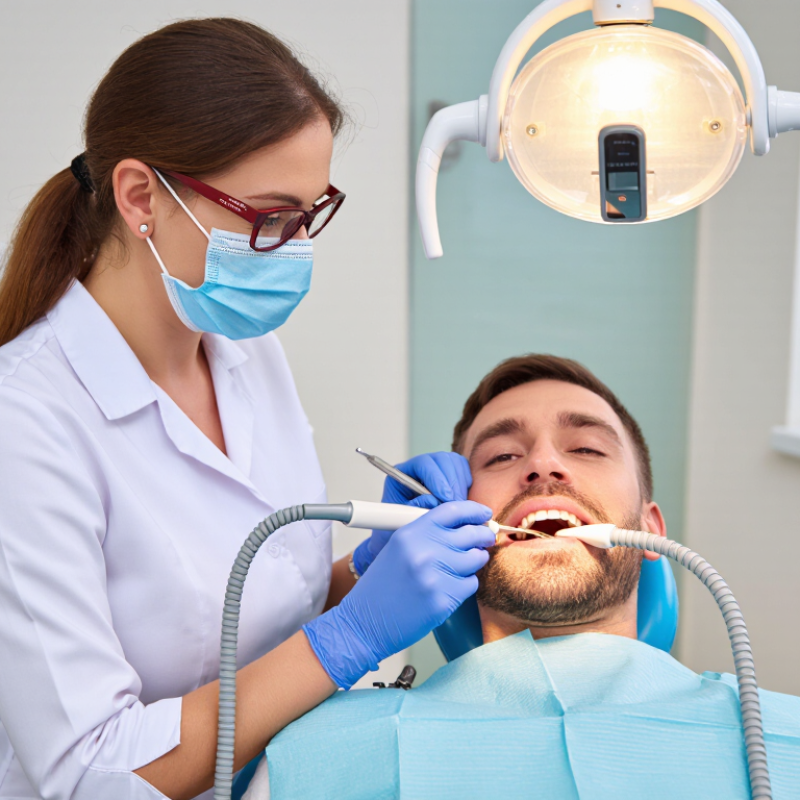
What Is Oral Deep Cleaning and Who Needs It?

What Is Oral Deep Cleaning?

Oral deep cleaning, usually called scaling and root planing, treats buildup beneath the gumline. A dental professional removes hardened plaque, or tartar, from tooth surfaces and roots. They may smooth rough root areas to help the gums heal. It reaches places a toothbrush cannot. This differs from routine cleaning, which mainly removes deposits above the gums.

A dentist or hygienist may recommend it after finding gum inflammation or unusually deep spaces between teeth and gums. Pocket measurements matter. Bleeding gums can be a clue, but they do not prove deep gum disease by themselves. A full dental assessment guides the decision. Treatment may cover different areas of the mouth over one or more visits. Numbing medicine may be used. Teeth can feel tender or sensitive afterward.

Some people need maintenance visits more often, depending on their gum health and home care. The schedule is individual. Brushing carefully and cleaning between teeth help, but cannot remove tartar already attached below the gums. Deep cleaning is not a guarantee that gum disease will never return. That part can be frustrating. Ask your dental professional what the examination found and how they will check healing.

How Does It Differ from Routine Teeth Cleaning?

Routine teeth cleaning focuses on plaque and tartar around the visible tooth surfaces and gumline. It is part of preventive care for people whose gums are generally healthy. A hygienist may use a small scaler, polish the teeth, and check for areas that need attention. The visit is usually shorter and does not typically involve cleaning deep beneath the gums.

Oral deep cleaning, often called scaling and root planing, treats buildup below the gumline when periodontal disease has created deeper pockets around teeth. The clinician cleans those pockets and smooths root surfaces so bacteria have fewer rough places to cling. Local anesthetic may be used, especially if several areas need treatment. The mouth can feel tender afterward. That matters.

A dental exam helps determine which type of cleaning is appropriate. The dentist or hygienist may measure gum pockets with a small probe and review X-rays when needed. Bleeding gums, persistent bad breath, gum recession, or loose teeth can warrant an assessment, but one symptom alone does not confirm gum disease. Not always. Deep cleaning is not simply a more thorough routine visit; it targets disease below the gumline and may require follow-up checks. Home brushing and cleaning between teeth remain important, though they cannot remove hardened tartar that is already attached.

Oral Deep Cleaning vs. Routine Teeth Cleaning

Healthy gum pockets are typically 1–3 mm deep. A measurement of 4 mm or more may prompt a periodontal evaluation, but depth alone does not diagnose gum disease. Routine cleaning focuses on plaque and tartar above the gumline; deep cleaning (scaling and root planing) removes buildup beneath the gumline and is used when periodontal disease is diagnosed.

Reference points only—not a diagnosis. A dental professional considers the full examination, including gum attachment, bleeding, and bone loss.

What Happens During the Procedure?

An oral deep cleaning, often called scaling and root planing, removes hardened deposits below the gumline. Before treatment, the dental professional checks your gums, measures pocket depths, and may review X-rays to assess bone support. They explain which areas need care. The plan may cover one side of the mouth or take several visits. The clinician may numb your gums with local anesthetic. It can feel strange. An ultrasonic instrument may loosen tartar with vibration and water. Hand tools remove deposits from tooth surfaces and gum pockets.

Next, the clinician smooths rough root surfaces so bacteria have fewer places to cling. This does not mean scraping healthy tooth structure indiscriminately; the goal is to remove plaque and calculus beneath inflamed gums. You may hear suction and feel pressure, but report sharp pain so the team can adjust comfort measures. The visit is not always quick, and asking for a pause is reasonable. Afterward, mild tenderness, bleeding, or sensitivity to cold can occur for a few days. Follow the cleaning instructions you receive, brush gently, and attend follow-up visits so your gums can be reassessed. If symptoms worsen or do not settle, contact the dental office.

Who May Need Oral Deep Cleaning?

Oral deep cleaning, often called scaling and root planing, may be recommended for people with periodontal disease. A dentist or dental hygienist checks gum pockets, bleeding, plaque, and sometimes X-rays before suggesting treatment. Pockets that have deepened around teeth can trap bacteria below the gumline, where a regular cleaning may not reach well.

Signs can include gums that bleed during brushing, persistent bad breath, gum recession, or teeth that feel loose. But symptoms alone do not confirm the need for deep cleaning. Some people notice very little, even when their gums need attention. That can be easy to miss. A professional periodontal assessment is important.

People with diabetes, a history of gum disease, or difficulty cleaning between teeth may have higher risk, though risk factors do not automatically mean treatment is needed. The recommendation should reflect the exam and the person’s health history. Ask which areas need treatment and why. After deep cleaning, temporary tenderness or sensitivity can occur, and follow-up visits help check healing. I would not assume one procedure fits every mouth; the findings matter.

What Is Oral Deep Cleaning and Who Needs It?

Who May Need It Possible Signs or Findings Why Deep Cleaning May Be Considered What to Do Next
People with diagnosed periodontitis A dental exam may find periodontal pockets, gum inflammation, or loss of supporting bone around teeth. Scaling and root planing removes plaque and hardened deposits from below the gumline and smooths root surfaces to support gum healing. Ask a dental professional about periodontal charting, X-rays when appropriate, and a treatment plan tailored to the findings.
People with persistent bleeding or swollen gums Gums bleed during brushing or flossing, appear red or swollen, or remain tender. These symptoms can be associated with gum disease, but they do not by themselves confirm that deep cleaning is needed. Arrange a dental assessment. Treatment may range from improved home care and routine cleaning to periodontal therapy, depending on the diagnosis.
People with deeper gum pockets A dental professional measures spaces between the teeth and gums. Measurements of 4 mm or more may warrant closer evaluation, depending on other findings. Deeper spaces can make it harder to remove deposits with routine brushing and may indicate periodontal involvement. Discuss the full pattern of pocket measurements, bleeding, and any bone changes; no single measurement determines treatment on its own.
People with gum recession or teeth that seem to be shifting Teeth may look longer, spaces may appear to change, or a tooth may feel looser than before. These changes can occur with advanced gum and bone support problems, although other causes are possible. Seek a prompt dental evaluation to identify the cause and determine whether periodontal treatment is appropriate.
People with persistent bad breath or an unpleasant taste The problem continues despite regular brushing and cleaning between teeth. Gum disease is one possible cause, but oral hygiene, tooth decay, dry mouth, and other conditions can also contribute. Have a dental professional check for gum disease and other oral causes before choosing treatment.
People with risk factors for gum disease Risk factors may include smoking, diabetes, a history of periodontal disease, or difficulty maintaining daily oral hygiene. Risk factors can increase the likelihood or severity of gum problems, but do not automatically mean deep cleaning is required. Keep regular dental visits and share relevant health history so the dental team can assess gum health and recommend appropriate care.

Important: Oral deep cleaning usually refers to scaling and root planing, a periodontal treatment performed when a dental professional diagnoses gum disease that requires cleaning below the gumline. It is not the same as a routine dental cleaning, and only a dental exam can determine whether it is appropriate.

What Should Patients Expect During Recovery?

After oral deep cleaning, also called scaling and root planing, gums may feel tender or look slightly swollen. Mild bleeding can happen during brushing for a short time. Teeth may feel sensitive to cold drinks, especially near the gumline. This can be unsettling. Symptoms often ease over several days, though recovery varies with inflammation and treatment extent.

Follow your dental professional’s instructions. Brush gently with a soft-bristled toothbrush, and clean between teeth as advised. Choose lukewarm, soft foods if chewing feels uncomfortable; avoid very hot, cold, or hard foods while sensitivity persists. Drink water, and do not skip cleaning around treated areas unless your clinician tells you otherwise. A little soreness is common, but worsening pain, persistent bleeding, increasing swelling, or fever deserves a prompt call to the dental office. Healing does not always follow a neat schedule, and sensitivity can last longer for some people. Ask your clinician before using pain medicine or changing your usual medicines, particularly if you have health conditions or take prescriptions.