
10 Tips for Choosing a Theater Seating Manufacturer
Choosing a Theater Seating Manufacturer is not simply a matter of comparing fabric swatches or unit prices. The seats must fit the room, support clear sightlines, and withstand years of regular use. A chair that looks impressive in a showroom may feel cramped when rows are full. Small details matter: armrest width, seat-return noise, aisle spacing, and how easily maintenance staff can replace a worn part.
Theater director and writer Peter Brook captured the purpose of the room in The Empty Space: “I can take any empty space and call it a bare stage.” His words are not a seating specification, but they offer a useful reminder: seating should serve the performance, not compete with it. That takes careful questions about audience comfort, accessibility, acoustics, installation, warranties, and long-term service. Ask for drawings, material samples, and references from projects with similar capacity and use. Check how the manufacturer handles custom dimensions and replacement components, too.
Look beyond polished product photos. Request measurable details, then compare them against the venue’s plans and operating needs. A low quote can conceal practical compromises; a premium finish can also be unnecessary. Neither price alone tells the whole story. I would be cautious about treating any checklist as a guarantee—real venues differ, and plans can change. The ten tips below offer a grounded way to evaluate suppliers, uncover trade-offs, and choose a Theater Seating Manufacturer whose products and support match the space.
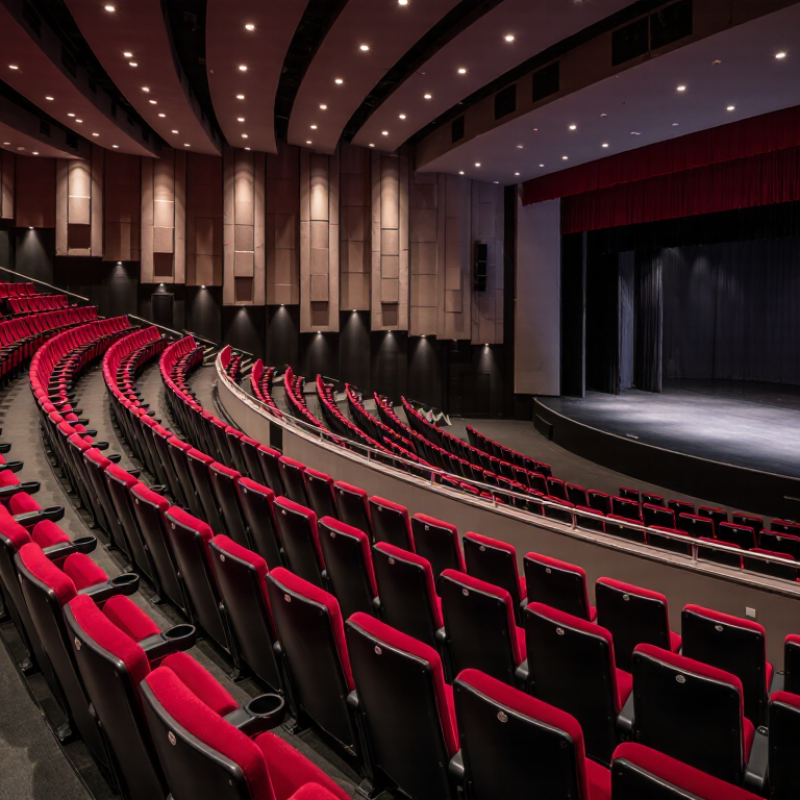
Define Project Requirements and Seating Specifications
Before requesting quotes, map how each room will be used. A school auditorium, lecture hall, and community theater place different demands on seating. Record capacity, aisle layout, platform height, and the audience’s needs. Measure row spacing and door clearances on site, rather than relying only on old drawings. Small errors matter.
Specify chair width, seat pitch, back height, arm style, and folding mechanism. Note upholstery, frame finish, and cleaning routines; pale fabric may show marks quickly in a busy venue. Ask for load-rating documents, relevant fire-performance test records, warranty terms, and replacement-part availability. Check sightlines from seats near the floor and at the back, including wheelchair positions. A floor plan alone may not reveal every obstruction.
Describe expected daily use, such as frequent seat turnover or occasional performances. Ask the manufacturer to confirm installation tolerances and provide a sample for checking comfort and finish. One detail is easy to miss: seat numbers must remain readable in dim light. Even a careful specification can overlook how aisle lights affect viewing. Test the layout with real measurements before approving production.

Evaluate Manufacturer Experience, Certifications, and Production Capacity
When comparing theater seating manufacturers, ask how long they have produced fixed-row seating, not just how long the company has existed. Request references for venues with similar seat counts, layouts, and installation schedules. Then check the factory’s quality certificate: confirm its issuer, validity, and scope. A certificate covering an office may say little about seat production. ISO’s 2022 Survey recorded 1,265,216 ISO 9001 certificates worldwide. That figure shows how common certification is, not whether a particular seat is durable. Ask for product-specific test reports, including tests for strength and repeated use. Check the scope.
Production capacity needs evidence, too. Ask for current output per week, typical lead times, and the largest recent order completed. Compare those figures with your project’s delivery schedule. A factory tour can reveal practical details: upholstery stations, frame-welding areas, finished-seat storage, and room for quality checks. Ask how it handles custom dimensions or replacement parts without disrupting the main production line. A polished showroom can still conceal weak planning; I would not treat it as proof of capacity. One detail is easy to miss: a quoted production rate may depend on overtime or parts from a single supplier. Ask what changes during peak periods, and request a schedule tied to your seat count.
Compare Seat Materials, Comfort, Durability, and Customization Options
Choosing a theater seating manufacturer is easier when you compare real materials, not just polished catalog photos. Ask for upholstery samples and check how they feel under warm room lighting. Fabric can offer a softer, quieter finish, while coated materials may be easier to wipe clean. Request care instructions and, where possible, abrasion or stain-resistance test details. These figures help, but they do not show how a seat will feel after a long screening.
Comfort depends on more than padding thickness. Sit in the chair for several minutes, then check lumbar support, seat depth, armrest height, and how smoothly the back reclines. Test it in person. If a sample is unavailable, ask for dimensions and clear photos of adjustment points. A seat that feels plush for two minutes may become tiring during a three-hour performance. That detail is easy to overlook.
Durability comes from the frame, joints, moving parts, and upholstery working together. Ask how components are tested and whether replacement parts can be ordered later. Customization may include fabric colors, cup holders, row lettering, and accessible layouts; confirm which options affect delivery time or maintenance. Compare written specifications across manufacturers, not vague promises. A checklist still cannot predict every room or audience, so leave space for a practical trial before placing a large order.
10 Tips for Choosing a Theater Seating Manufacturer - Compare Seat Materials, Comfort, Durability, and Customization Options
| Tip | What to Compare | Typical Options and Trade-Offs | Questions to Ask |
|---|---|---|---|
| 1. Compare upholstery materials | Cleanability, feel, appearance, and suitability for expected use. | Contract-grade fabrics offer many textures and colors; coated fabrics are generally easier to wipe clean. Performance varies by construction and finish. | Can you provide material samples, cleaning guidance, and abrasion or other relevant test information? |
| 2. Assess cushioning and comfort | Seat and back support, foam construction, and comfort over the expected performance duration. | Foam density and firmness affect feel and support; comfort is also influenced by seat shape, upholstery, and the user’s needs. | Can staff test a sample seat, and are foam specifications and replacement options available? |
| 3. Check frame construction | Frame material, joints, load requirements, and access for repairs. | Steel and engineered or solid wood components are used in seating frames; performance depends on design, fabrication, and intended application. | What materials and construction details are specified, and what load or use testing supports the design? |
| 4. Evaluate moving parts | Seat-return mechanism, noise, pinch points, and maintenance needs. | Gravity-assisted and spring-assisted return designs are both used. The mechanism and installation affect return action and operating noise. | Can the mechanism be inspected or serviced, and are replacement parts available? |
| 5. Verify durability evidence | Testing, component life, repairability, and warranty terms. | Test methods can assess different properties, such as fabric abrasion or seating strength; results are meaningful only in context of the test and product configuration. | Which tests apply to the proposed model, and what exactly is covered by the written warranty? |
| 6. Confirm dimensions and layout | Seat width, row spacing, aisle access, sightlines, and room capacity. | Seat and row dimensions influence layout and circulation. Applicable building, accessibility, and fire-safety requirements depend on the project location and design. | Will you provide dimensioned drawings for review by the project’s architect and code professionals? |
| 7. Review customization options | Upholstery colors, finishes, seat details, end panels, and accessories. | Options vary by seating model. Custom finishes or materials may affect lead time, minimum order quantities, and replacement matching. | Which options are available for this model, and can future orders match the selected materials and finishes? |
| 8. Check safety and compliance documentation | Applicable fire, accessibility, and product requirements for the venue. | Requirements vary by jurisdiction, building type, and material. Documentation should relate to the actual materials and configuration being supplied. | Can you provide current test reports or certificates, and which standards do they address? |
| 9. Compare maintenance and replacement support | Cleaning instructions, replaceable components, spare-part availability, and service support. | Replaceable upholstery, cushions, or mechanisms can help simplify repairs when the design allows access and parts remain available. | Which parts can be replaced on site, and how are spare parts ordered and identified? |
| 10. Plan delivery and installation | Production schedule, shipping, site access, installation scope, and handover documents. | Timelines depend on specifications, order quantity, production capacity, and shipping. Site conditions can affect installation planning. | What is included in the quotation, what site preparations are required, and what documentation is provided at handover? |
Review Pricing, Warranty Coverage, Installation, and After-Sales Support
A low quote can look attractive, but compare the same seat materials, mechanisms, and delivery terms. Ask for an itemized estimate. Check whether it includes freight, unloading, site measurements, and installation. These costs can sit outside the headline price. Small details matter. In a 200-seat room, a modest per-seat difference can noticeably change the budget. Request a written schedule of payments and ask how price changes are handled if the approved layout changes. I would not judge a manufacturer by price alone; that shortcut can be costly.
Read the warranty carefully, including its duration, exclusions, and process for replacing worn or defective parts. Ask who pays shipping and labor, and whether common components will remain available. For installation, confirm who checks row spacing, floor conditions, aisle clearances, and fixing points before delivery. A site visit or marked-up floor plan can prevent awkward adjustments later. It is easy to overlook.
After-sales support deserves specific questions. Who answers service requests, what response time is typical, and can staff obtain replacement parts without replacing an entire seat? Ask for these details in writing. References from venues with similar seating layouts may help you check whether support continues after installation. Some plans still change late; allow room for that.
10 Tips for Choosing a Theater Seating Manufacturer
Sample evaluation rubric for comparing pricing, warranty coverage, installation, after-sales support, and other key factors.
Scores are illustrative, not market-survey results or ratings of any company. Score each manufacturer from 1 (weak evidence) to 5 (strong, documented evidence), using written quotes, warranty terms, installation plans, and support commitments.
Verify References, Product Samples, and Contract Terms
10 Tips for Choosing a Theater Seating Manufacturer
References reveal how a manufacturer performs after the showroom visit. Ask for projects similar in size, layout, and daily use. Contact venue managers directly, and ask about delivery accuracy, installation coordination, and problems that appeared months later. A polished reference list can be selective, so verify details independently. Ask what they would change.
Request a production-level sample, not just a fabric swatch. Check stitching, cushion support, armrest comfort, and how the seat moves. Sit in it. If possible, test several seats together to hear noise and check spacing. Compare the sample with the written specifications; small finish differences can become noticeable across a full auditorium. This check is easy to rush when schedules tighten.
Read the contract before approving drawings or paying a deposit. Confirm quantities, dimensions, materials, lead times, delivery access, installation responsibilities, and warranty coverage. Clarify how changes are priced and approved, and what happens if a shipment arrives late or damaged. Write it down. Some details may feel tedious, but vague terms are harder to resolve once seats are on site. Ask for a revised document when an answer exists only in conversation.

