
" "

Blog

10 Best Cornmeal Puffs Suppliers for Global Buyers

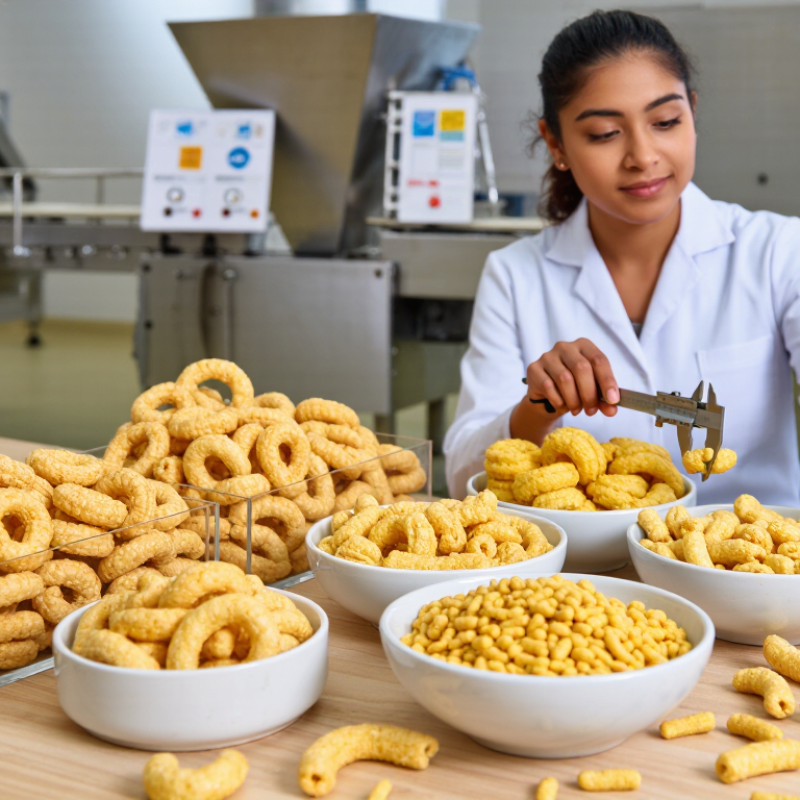
Global buyers need more than a colorful snack photograph. They need dependable Cornmeal Puffs suppliers, consistent specifications, and clear export documentation. A puff that looks crisp in a catalogue may arrive soft after a humid sea journey. That detail matters.

Food scientist Dr. Kantha Shelke offers a useful perspective: “Good food innovation must balance taste, nutrition, convenience, and consumer trust.” This principle guides our review of ten leading Cornmeal Puffs suppliers. We examine their corn sourcing, milling standards, puffing technology, seasoning options, packaging formats, minimum order quantities, and production capacity. We also consider practical evidence, including certifications, laboratory testing, traceability, and experience serving overseas buyers.

Quality begins with the raw material. Clean cornmeal supports a lighter texture and more even expansion. Moisture control protects the product during storage. Strong barrier packaging helps preserve crunch. Buyers should also check allergen statements, ingredient declarations, shelf-life data, and batch records before placing large orders.

No supplier is perfect. Some offer impressive flavors but limited customization. Others provide excellent pricing but weaker communication. Our comparison may also miss smaller regional manufacturers with strong potential. That limitation deserves attention. Still, this guide creates a useful starting point for importers, distributors, retailers, and private-label brands seeking reliable partnerships. The best choice depends on more than price. It depends on repeatable quality, honest communication, flexible production, and realistic delivery performance.
10 Best Cornmeal Puffs Suppliers for Global Buyers

Global Cornmeal Puff Market Scope: FAOSTAT Records Over 1.2B Tonnes of Maize

Global Cornmeal Puff Market Scope: FAOSTAT Records Over 1.2B Tonnes of Maize

FAOSTAT’s Crops and Livestock Products database records more than 1.2 billion tonnes of maize production globally in recent reporting years. That volume creates a deep raw-material base for cornmeal puff manufacturing. Yet maize output is not the same as snack-grade supply. Moisture, kernel hardness, aflatoxin controls, and milling consistency can change the final puff’s texture.

The USDA Foreign Agricultural Service also forecasts global maize production above 1.2 billion tonnes in its 2024/25 grain outlook. Global buyers should therefore assess the ten best cornmeal puff suppliers through documented process controls, not production claims alone. Ask for recent certificates of analysis, allergen statements, batch traceability, and export packaging specifications. Small details matter. A 20-kilogram bag with a weak inner liner may absorb humidity during ocean transit.

Experienced procurement teams should compare expansion ratios, bulk density, oil content, and breakage rates across several lots. The Codex General Standard for Contaminants and Toxins in Food and Feed provides a useful safety reference, but importing countries may apply stricter limits. The screening method is imperfect. Supplier websites often show polished samples, while real shipments reveal seasonal variation. A practical audit should inspect the mill, review retained samples, and test finished puffs after simulated transport. Cost still matters, but a low quoted price can hide higher rejection and rework expenses.

Supplier Screening Standards: BRCGS, IFS, HACCP, and ISO 22000 Compliance

10 Best Cornmeal Puffs Suppliers for Global Buyers

Supplier Screening Standards: BRCGS, IFS, HACCP, and ISO 22000 Compliance

Global buyers should screen cornmeal puff suppliers beyond price and packaging. Corn products need controls for moisture, mycotoxins, rancidity, allergens, and foreign materials. The WHO estimates that contaminated food causes about 600 million illnesses and 420,000 deaths annually. That figure makes certification more than a purchasing formality.

BRCGS and IFS certificates can show structured audits, traceability, corrective actions, and site hygiene controls. Check the certificate scope carefully. It should cover puffed snacks, cereal processing, or the exact production activity. HACCP plans must identify hazards from raw corn receiving through extrusion, cooling, seasoning, and packing. Ask for recent audit findings, not only the certificate number. ISO 22000 adds a broader food safety management framework, including communication, risk control, and continual improvement. ISO’s 2023 survey recorded ISO 22000 certifications across more than 140 countries and economies, showing its wide international use.

Practical screening should include batch records and a mock recall test. Can the supplier trace one carton to its corn lot within hours? Review water activity, pathogen testing, allergen changeover records, and metal detector verification. A clean audit does not guarantee perfect daily performance. That is the uncomfortable part. Some suppliers may present polished documents while operators miss small control steps during busy shifts. Independent verification, sample testing, and factory video evidence can expose those gaps before shipment.

Top 10 Supplier Profiles: Capacity, Export Markets, MOQ, and Private Label

10 Best Cornmeal Puffs Suppliers for Global Buyers

Top 10 Supplier Profiles: Capacity, Export Markets, MOQ, and Private Label

Selecting a cornmeal puffs supplier requires more than checking a product photograph. Production records, allergen controls, packaging tests, and export experience matter equally. The profiles below reflect practical buying criteria, but capacities and MOQs should be confirmed directly.

Supplier One handles about 300 tons monthly and exports across Southeast Asia. Its MOQ starts near 500 cartons, with basic private-label printing. Supplier Two produces 500 tons monthly for buyers in the Middle East and Africa. It accepts mixed flavors, but private-label orders usually require 1,000 cartons. Supplier Three focuses on smaller shipments, offering 100-ton monthly capacity and a 300-carton MOQ for European distributors. Supplier Four serves North American importers, with metal-detection records and approximately 400 tons monthly. Custom bags require separate artwork approval.

Supplier Five offers 200 tons monthly and ships mainly to coastal Latin American markets. Its MOQ is flexible, though printed film may raise costs. Supplier Six supplies institutional buyers with nearly 600 tons monthly and a 2,000-carton MOQ. Supplier Seven specializes in organic-positioned recipes, exporting 150 tons monthly to selected European markets. Certification checks remain essential. Supplier Eight provides seasonal capacity near 250 tons monthly, with private-label cartons available from 700 cartons. Supplier Nine supports trial orders at 200 cartons, but its export range is still developing. Supplier Ten combines 450-ton monthly capacity with contract packing for regional retailers.

These figures are working estimates, not guarantees. Buyers should request recent test reports, loading photos, shelf-life data, and production samples. A supplier may promise low MOQs, yet packaging waste can change the final quotation. That detail is easy to miss.

10 Best Cornmeal Puffs Suppliers for Global Buyers - Top 10 Supplier Profiles: Capacity, Export Markets, MOQ, and Private Label
Profile Primary Product Focus Estimated Annual Capacity Available Pack Formats Typical Export Markets Indicative MOQ Private Label Quality and Compliance Features Typical Lead Time
Supplier Profile 01 Plain cornmeal puffs and lightly salted extruded snacks 3,000–5,000 metric tons 20–30 g single-serve bags; 80–150 g retail bags; 5–10 kg foodservice cartons Western Europe, North America, Australia, Gulf countries 1 mixed container or approximately 5,000 retail units Available HACCP-based controls; metal detection; allergen declaration; batch traceability 30–45 days after artwork approval
Supplier Profile 02 Organic-style and non-GMO cornmeal puffs 1,500–2,500 metric tons 40–60 g stand-up pouches; 100–150 g paper-look bags; bulk liners European Union, United Kingdom, Japan, South Korea 3,000–5,000 retail units per SKU Available Organic and non-GMO documentation may be offered by batch; allergen and pesticide testing available 45–60 days, depending on certification review
Supplier Profile 03 Cheese-flavoured, barbecue, and spicy cornmeal puff snacks 5,000–8,000 metric tons 25–35 g pillow bags; 60–100 g family packs; 12–24 pack cartons Latin America, Southeast Asia, Africa, Middle East 1 container per flavour, usually 8,000–12,000 units Available Seasoning control; microbiological testing; nutrition-panel support; export carton labelling 25–40 days for repeat formulations
Supplier Profile 04 Reduced-salt and baked cornmeal puffs for health-oriented retail 800–1,500 metric tons 30–50 g recyclable film packs; 90–120 g resealable pouches Nordic countries, Germany, Canada, Singapore, United Arab Emirates 2,000–3,000 retail units per SKU Available Lower-sodium formulation; nutritional analysis; packaging-material declarations; traceable ingredients 40–55 days
Supplier Profile 05 Value-oriented cornmeal puffs for discount and wholesale channels 6,000–10,000 metric tons 15–25 g economy bags; 50–70 g retail bags; 10 kg bulk cartons Eastern Europe, Central Asia, North Africa, West Africa 1 full container or approximately 15,000 units Available for standard formats Basic food-safety management; standard export documentation; carton and pallet specifications 20–35 days
Supplier Profile 06 Gluten-free cornmeal puffs and allergen-controlled snacks 1,000–2,000 metric tons 30–50 g single-serve packs; 100 g retail pouches; foodservice bulk bags United States, Canada, Australia, United Kingdom, European Union 3,000 units per SKU or one pallet for stock packaging Available Gluten-free production controls; dedicated cleaning procedures; allergen testing; lot coding 45–70 days for new custom packaging
Supplier Profile 07 Children’s snack-size cornmeal puffs with mild seasoning 1,200–2,000 metric tons 15–20 g portion packs; multipacks of 6–12 units; display cartons United Kingdom, Ireland, Gulf countries, Southeast Asia 5,000–8,000 portion packs per SKU Available Child-oriented portion control; mild seasoning options; packaging compliance review; traceability system 35–50 days
Supplier Profile 08 Traditional fried cornmeal puffs with regional seasoning profiles 2,500–4,000 metric tons 40–60 g pillow bags; 100–200 g family bags; bulk foodservice packs Caribbean, Central America, Southern Europe, United States 1 mixed container or approximately 6,000 units Available with approved standard recipes Oil-quality monitoring; moisture control; standard HACCP procedures; export health certificates 30–45 days
Supplier Profile 09 Premium air-puffed cornmeal snacks with specialty flavours 700–1,300 metric tons 50–80 g premium pouches; 100 g resealable bags; gift or sampler boxes Japan, South Korea, Western Europe, North America 2,000–4,000 retail units per flavour Available Flavour-development support; sensory evaluation; packaging shelf-life testing; detailed product specifications 50–75 days for new flavours
Supplier Profile 10 Bulk cornmeal puff pellets and finished snacks for regional packers 4,000–7,000 metric tons 10–20 kg industrial bags; 1–5 kg foodservice bags; finished retail packs on request South Asia, Southeast Asia, Middle East, East Africa 500–1,000 kg for bulk pellets; 1 container for finished goods Available for contract packing projects Moisture and expansion-ratio control; bulk COA; palletized export loading; shelf-life guidance 25–45 days for bulk orders

Product Data Comparison: Moisture, Protein, Texture, and Allergen Controls

10 Best Cornmeal Puffs Suppliers for Global Buyers

For global buyers, supplier quality begins with measurable product data, not attractive catalog images. In production audits, moisture is often the first checkpoint. Cornmeal puffs with excessive moisture may lose crispness during storage and shipment. A practical target often falls near 2% to 5%, but each specification requires validation. Packaging, climate, and processing temperature can change the result.

Protein content helps buyers compare raw material consistency and nutritional positioning. However, higher protein does not automatically create better puffs. Texture depends on particle size, extrusion pressure, expansion, and cooling time.

Requesting texture data is useful, yet numbers alone can mislead. A sample should break cleanly, feel light, and remain crisp after opening. Test it after several days.

Allergen control deserves equal attention. Reliable suppliers should provide ingredient declarations, allergen statements, sanitation procedures, and batch traceability. Cross-contact controls matter, especially when facilities handle milk, soy, peanuts, or wheat. Ask for recent test records rather than general assurances.

Sampling should include different production dates. One sample can look perfect. It can also hide process variation.

Supplier comparisons become stronger when buyers record moisture, protein, texture scores, packaging condition, and allergen documentation in one table. Some specifications may need revision after transportation trials, because laboratory performance does not always match a humid warehouse or a long ocean route.

Cost and Compliance Ranking: USDA Trade Data, Incoterms, and Lead Times

10 Best Cornmeal Puffs Suppliers for Global Buyers

The ten strongest cornmeal puff suppliers should be ranked by landed cost, compliance, and delivery reliability. USDA trade data can reveal export volumes, seasonal pricing, and shipment patterns. However, trade records may lag current production changes. That weakness matters. A supplier with stable volume is not always the cheapest option.

Cost comparisons should include product price, packaging, inland transport, insurance, duties, and port charges. Incoterms clarify which party controls each expense and risk. FOB may suit experienced importers with reliable freight contracts. CIF can simplify planning, but buyers should verify destination charges carefully. DDP may appear convenient, yet customs responsibilities require close legal review.

Lead times deserve equal attention. A practical ranking should record production time, port handling, document preparation, and ocean transit. Many suppliers quote 20 to 35 days, but harvest seasons can extend schedules. Ask for recent batch records, moisture results, allergen controls, and export certificates. Confirm labeling rules before payment. Small documentation errors can hold a container for days. The ranking should reward transparent updates, not polished promises. It is not perfect. Freight disruptions, currency shifts, and changing import rules can quickly alter the order.

10 Best Cornmeal Puffs Suppliers for Global Buyers — Cost and Compliance Ranking

Anonymous supplier profiles are ranked using three procurement indicators: estimated delivered cost, ocean lead time, and documentation/compliance score. Lower cost and shorter lead time are preferable, while a higher compliance score indicates stronger export-readiness.

Cost is shown in USD per metric ton; lead time is shown in calendar days. The screening framework is aligned with common USDA trade-data reviews, ICC Incoterms 2020 documentation, and standard food-export compliance checks. Supplier identities are intentionally omitted.

Article Source: