

What Are the 2026 Top Window Types to Replace Windows in House?
Choosing the right window in 2026 is no longer only a design decision. It affects comfort, energy use, noise control, and long-term maintenance. The U.S. Department of Energy reports that windows can account for approximately 25% to 30% of residential heating and cooling energy use. That figure makes window replacement more practical than decorative.
ENERGY STAR states that certified windows can reduce household energy bills by about 7% to 15%, depending on climate and existing window performance. Its guidance also highlights low-emissivity glass, insulated frames, and climate-appropriate ratings. Therefore, the best options to Replace Windows In House may include double-pane low-E windows, triple-pane units for colder regions, casement windows for tight seals, and fiberglass or vinyl frames for easier maintenance. Picture windows can improve daylight, while awning windows support ventilation during light rain.
Small details matter.
The National Fenestration Rating Council recommends comparing U-factor, Solar Heat Gain Coefficient, visible transmittance, and air leakage ratings. These labels provide a more reliable comparison than appearance alone. Still, one recommendation cannot fit every house. A triple-pane window may deliver excellent insulation, but its added weight and cost can challenge older frames. A large south-facing window may brighten a room, yet increase summer heat without shading.
This article examines the top window types for 2026 through performance data, installation experience, and regional climate needs. It also questions popular assumptions. The most expensive window is not automatically the most efficient choice. A properly installed, well-rated window usually performs better than a premium product installed carelessly.
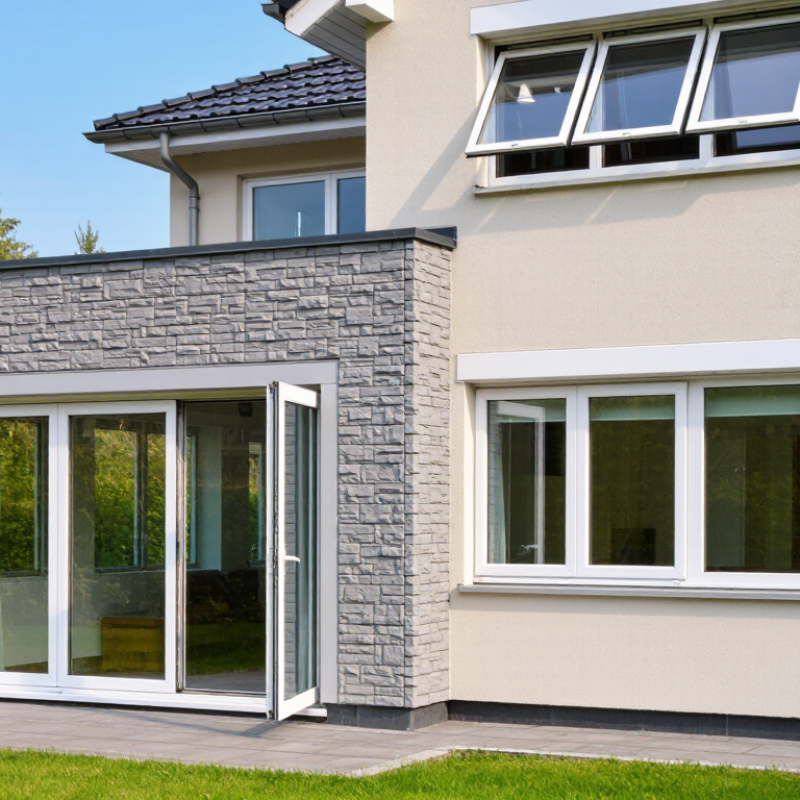
How Window Types Are Classified for 2026 Home Replacement
What Are the 2026 Top Window Types to Replace Windows in House?
How Window Types Are Classified for 2026 Home Replacement
For 2026 replacement projects, window types should be classified by operation, frame material, glazing, and performance. Common operating styles include double-hung, casement, sliding, awning, picture, and tilt-and-turn windows. Casement windows usually seal tightly because their sashes press against the frame. Picture windows provide wide views but cannot offer natural ventilation.
Frame classification includes vinyl, wood, fiberglass, and aluminum. Each material behaves differently under sunlight, moisture, and temperature changes. Glazing is another major category. Double-pane and triple-pane units use insulating air or gas spaces between glass layers. The U.S. Department of Energy reports that windows can cause 25% to 30% of residential heating and cooling energy use. That figure makes glass selection more important than appearance alone.
Performance labels offer a more reliable comparison. The National Fenestration Rating Council evaluates U-factor, solar heat gain coefficient, visible transmittance, and air leakage. Lower U-factor generally means better insulation. High solar exposure may require a lower SHGC. In field assessments, I often find that homeowners choose attractive frames but ignore orientation. That mistake can increase summer cooling loads. No window type wins every room.
Tips: Check each opening’s direction, wall condition, and drainage before ordering. Compare NFRC ratings, not only glass layers. A trusted installer should measure twice. Even experts can overlook shading from nearby trees.
What Are the 2026 Top Window Types to Replace Windows in House?
How window types are classified for 2026 home replacement projects
| Window Type | Primary Operation | Ventilation | Daylight & View | Air-Sealing Potential | Common Locations | Maintenance Level | Replacement Considerations |
|---|---|---|---|---|---|---|---|
| Double-Hung | Both sashes slide vertically; the upper and lower sashes can open. | High Ventilation from the top, bottom, or both. |
Medium Balanced glass area with a traditional appearance. |
Medium Performance depends on sash seals, locks, and installation quality. |
Bedrooms, living rooms, hallways, and traditional-style homes. | Moderate Tracks and balances may require periodic cleaning or service. |
Check for adequate opening clearance, compatible trim, and properly sized replacement sashes or full-frame units. |
| Single-Hung | The lower sash moves vertically while the upper sash remains fixed. | Medium Air enters through the lower opening. |
Medium Traditional proportions with a fixed upper section. |
Medium Fewer moving sections can simplify sealing. |
Bedrooms, kitchens, utility rooms, and budget-conscious replacements. | Low Fewer moving components than a double-hung unit. |
Confirm that the opening provides a suitable emergency-exit size where required by local building regulations. |
| Casement | One or more side-hinged sashes open outward using a crank or handle. | High Can direct breezes into the room when fully open. |
High Large uninterrupted glass areas are common. |
High Compression seals can provide a tight closure when correctly installed. |
Living rooms, bedrooms, kitchens, and areas needing strong cross-ventilation. | Moderate Hardware, hinges, and exterior clearances need inspection. |
Allow space for the sash to swing outward and consider wind exposure, screens, and nearby walkways. |
| Awning | Top-hinged sash opens outward from the bottom. | High Provides ventilation while helping shield the opening from light rain. |
Medium Useful where a smaller horizontal opening is preferred. |
High Compression-style closure can support good weather resistance. |
Bathrooms, basements, kitchens, and locations beneath fixed windows. | Moderate Inspect operators, hinges, and perimeter seals. |
Verify that the outward-opening sash will not interfere with paths, landscaping, or exterior shutters. |
| Sliding or Gliding | Sashes move horizontally along tracks; one or both panels may operate. | Medium Typically opens about one side of the total window area. |
High Wide horizontal proportions provide broad views. |
Medium Track design, interlocks, and weatherstripping affect performance. |
Wide walls, living rooms, family rooms, and areas with limited exterior clearance. | Moderate Tracks should be kept clean and rollers may eventually need adjustment. |
Inspect the sill for water damage and confirm that the replacement frame fits the existing opening. |
| Picture or Fixed | Non-operable glass unit with no moving sash. | None Must be paired with operable windows for natural ventilation. |
High Maximizes glass area and unobstructed views. |
High Fewer joints and moving parts can reduce potential air leakage. |
Living rooms, stairwells, feature walls, and rooms facing attractive views. | Low Primarily requires glass and frame cleaning. |
Use with operable units where ventilation or emergency escape access is necessary. |
| Bay or Bow | Multiple window units project outward from the wall to create a wider viewing area. | Medium Ventilation depends on whether the side or center units operate. |
High Adds angled or curved views and can increase interior daylight. |
Medium More joints and roof or seat-board details require careful flashing. |
Living rooms, dining areas, reading spaces, and exterior feature elevations. | High More glass, joints, and exterior components require regular inspection. |
Check structural support, projection depth, roof condition, interior finish, and local permitting requirements. |
| Hopper | Bottom-hinged sash opens inward from the top. | Medium Provides controlled ventilation through a compact opening. |
Low Usually smaller in size and more restricted by the inward swing. |
High Compression closure can provide effective sealing. |
Basements, bathrooms, utility rooms, and compact openings. | Low Simple operation with limited moving hardware. |
Confirm interior clearance, moisture management, egress requirements, and basement well conditions. |
| Tilt-and-Turn | Tilts inward from the top for ventilation and turns inward for a larger opening. | High Two opening modes provide controlled or full ventilation. |
Medium Usually offers a clean appearance with a moderate frame area. |
High Multi-point locking and compression seals can support strong closure performance. |
Modern homes, upper floors, offices, and rooms requiring flexible ventilation. | Moderate Hardware may need adjustment and lubrication. |
Measure carefully for inward clearance and verify compatibility with interior blinds, furniture, and safety requirements. |
Note: Actual energy performance, condensation resistance, durability, and operating comfort depend on glazing, frame material, installation quality, climate, orientation, and the specific window’s independently verified performance ratings.
Related Posts
-
2026 Best Ways to Replace Windows In House?
-
Elevate Your Living Space: The Ultimate Guide to Stylish Windows and Sliding Doors
-
How to Choose Windows and Sliding Doors for Your Home?
-

China Best Pella Replacement Windows for Global Buyers?
-
10 Best Window Replacements for Global Buyers
-

Envisioning the Future of Sliding Glass Door Replacement: Innovations and Trends Ahead