Top Trends in 2025 for Energy Efficient Windows and Doors Solutions
In the quest for sustainability and energy efficiency, the development of advanced window and door solutions is set to play a pivotal role in shaping our living environments by 2025. Homeowners and builders alike are increasingly recognizing the importance of energy-efficient designs, which not only contribute to lower energy bills but also enhance overall comfort and wellbeing inside the home. Among the industry's leading innovations are Pella Windows & Doors, known for their commitment to sustainable practices and cutting-edge technology.
The trend towards energy-efficient windows and doors is not merely a response to consumer demand; it reflects a broader movement towards reducing carbon footprints and addressing climate change. As regulations become more stringent and green building certifications gain traction, manufacturers will be required to elevate their offerings. This evolution will see an increase in the integration of smart technologies, improved insulation materials, and design innovations that prioritize functionality and aesthetics. As we approach 2025, staying updated with these trends will be crucial for anyone involved in home construction and renovation.
Future Materials Shaping Energy Efficient Windows and Doors
The future of energy-efficient windows and doors is increasingly reliant on the development of innovative materials that enhance performance while minimizing environmental impact. One of the most promising trends is the integration of advanced glazing technologies, which include
low-emissivity (low-E) coatings that significantly reduce heat transfer. These coatings are designed to optimize solar gain, ensuring that interior spaces remain warm in winter and cool in summer without compromising on natural light.
Additionally, smart glass technologies are emerging, allowing users to control transparency and light transmission, thereby improving energy efficiency on demand.
Another exciting direction involves the utilization of sustainable materials such as reclaimed wood and recycled metals. These materials not only reduce resource consumption but also add unique aesthetic attributes to window and door designs. Furthermore, the introduction of bio-based materials, derived from renewable sources, presents a sustainable alternative to traditional options. These materials demonstrate excellent thermal performance and durability, making them suitable for a variety of climates. As these advancements continue to unfold, they promise to revolutionize energy efficiency in residential and commercial applications, aligning with the growing demand for greener construction practices.
Innovative Technologies Enhancing Thermal Performance in 2025
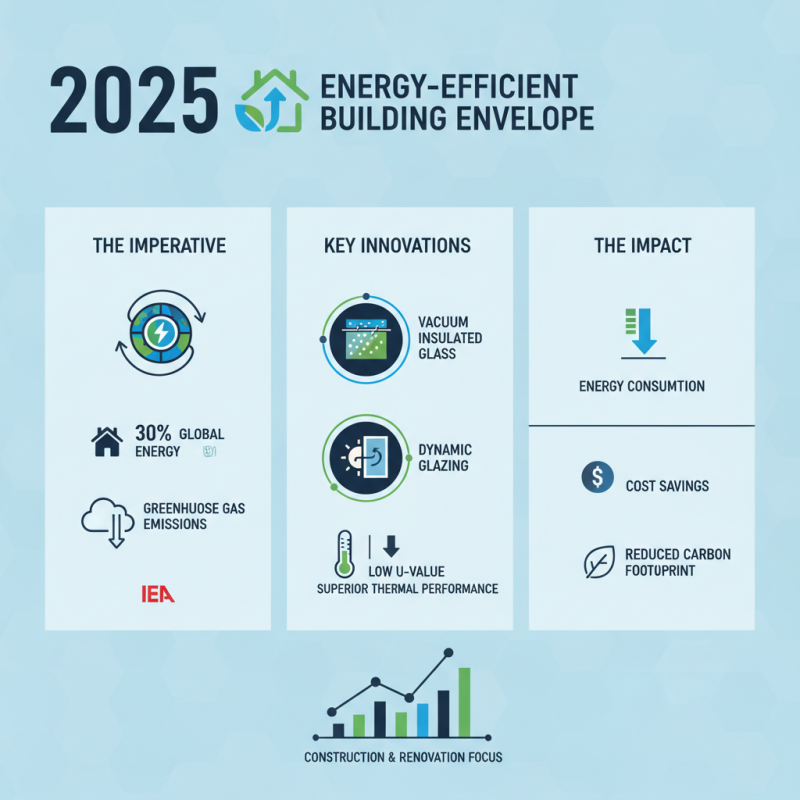
As we look towards 2025, the push for energy-efficient windows and doors is creating a focal point in the construction and renovation industries. Innovative technologies are propelling advancements in thermal performance, significantly impacting energy consumption and greenhouse gas emissions. According to the International Energy Agency (IEA), buildings account for nearly 30% of global energy consumption, emphasizing the critical need for more efficient building envelope solutions. Thermal efficiency innovations, such as vacuum-insulated glass and dynamic glazing, are at the forefront, offering considerably lower thermal transmittance (U-value) compared to traditional materials.
Dynamic glazing, which adjusts its tint based on external conditions, not only enhances comfort but also reduces the reliance on heating and cooling systems. Reports indicate that the implementation of such technologies can lead to energy savings of up to 40%, fundamentally changing the operational efficiency of buildings. Furthermore, advancements in frame materials, like fiberglass and recycled composites, contribute to better insulation properties and durability, reinforcing the overall energy performance. The push for net-zero energy buildings will increasingly rely on these cutting-edge solutions, making energy-efficient windows and doors integral to sustainable architecture in the years to come.
Impact of Smart Home Integration on Energy Efficient Solutions
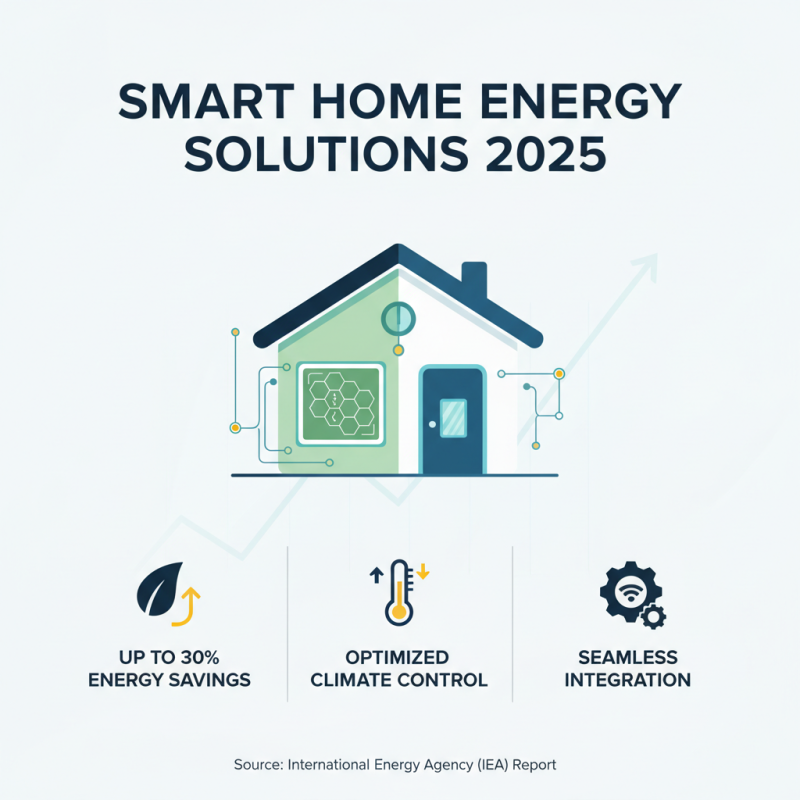
The integration of smart home technology is reshaping the landscape of energy-efficient windows and doors solutions, particularly as we look toward 2025. According to a report by the International Energy Agency (IEA), smart home systems can lead to energy savings of up to 30% when integrated with energy-efficient installations. This is primarily due to the enhanced control over home heating, cooling, and ventilation systems, which are critical when paired with advanced window and door technologies that optimize thermal performance.
The rise of smart home integration not only enhances convenience but also contributes to significant energy conservation. Automated windows that adjust based on external temperature and sunlight can reduce reliance on heating and cooling systems. A report from the U.S. Department of Energy indicates that efficient windows and doors can decrease energy consumption by up to 25% in residential buildings. As more homeowners invest in smart technology, achieving these energy savings becomes more feasible, driving growth in the energy-efficient home market. As a result, manufacturers are continuously innovating to create windows and doors that seamlessly integrate with smart home systems, enhancing both functionality and sustainability.
Sustainability Trends in Window and Door Manufacturing Practices
As we move towards 2025, the window and door manufacturing industry is experiencing a significant shift towards sustainability. According to the latest report by the U.S. Department of Energy, buildings are responsible for approximately 40% of the nation’s energy consumption, with windows and doors being key contributors to energy efficiency. Innovations in manufacturing practices are thus becoming pivotal. Increasingly, manufacturers are adopting eco-friendly materials, such as recycled composites and sustainably sourced wood, which not only reduce the carbon footprint but also enhance the lifecycle performance of products.
Moreover, advancements in energy-efficient glazing technologies are gaining traction. Research from the Lawrence Berkeley National Laboratory indicates that high-performance windows can reduce heating and cooling costs by up to 40%. The implementation of low-emissivity (Low-E) coatings and triple glazing is on the rise, driven by both consumer demand and stringent energy regulations. This transition not only aids in reducing energy consumption but also aligns with the global push towards net-zero emissions. As companies prioritize sustainable practices, they are investing in cleaner production techniques, which contribute to lower emissions and waste generation throughout the manufacturing process.
Government Regulations and Incentives for Energy Efficiency in 2025
In 2025, government regulations are expected to play a pivotal role in shaping the market for energy-efficient windows and doors. With increasing concerns about climate change and energy consumption, policymakers are likely to implement stricter energy efficiency standards that manufacturers must comply with. These regulations will not only encourage the production of high-performance building materials but will also influence architects and builders to adopt sustainable practices in their designs. As a result, the proactive stance of governments will drive innovation within the industry, pushing manufacturers to invest in research and development of cutting-edge materials and technologies.
Additionally, various incentive programs are anticipated to be established to promote the adoption of energy-efficient solutions in residential and commercial sectors. Rebates, tax credits, and other financial incentives can stimulate consumer interest and investment in energy-efficient windows and doors. Governments may also collaborate with utility companies to offer incentives that further encourage upgrading to more efficient systems. This multifaceted approach not only benefits consumers through cost savings on energy bills but also contributes to national and local goals for reducing carbon emissions. Through these policies and incentives, energy-efficient windows and doors will become increasingly accessible and appealing to a broader range of homeowners and businesses alike.
Top Trends in 2025 for Energy Efficient Windows and Doors Solutions
| Trend |
Description |
Government Incentive |
Projected Growth |
Impact on Efficiency |
| Smart Windows |
Windows that adjust their tint based on sunlight exposure. |
Tax credits for installation of smart windows. |
15% annually |
Up to 30% energy savings |
| Triple-Glazing |
Windows with three layers of glass for better insulation. |
Grants for energy-efficient home renovations. |
10% annually |
20-25% reduced heating costs |
| Recycled Materials |
Using recycled materials in manufacturing windows and doors. |
Incentives for use of sustainable materials. |
12% annually |
Improved sustainable practices |
| Advanced Coatings |
Special coatings that enhance thermal performance. |
Subsidies for innovative technology adoption. |
8% annually |
Up to 40% reduction in energy loss |