

Why Is Bathroom Hardware Important for Global Buyers?
Bathroom Hardware is often treated as a finishing detail, yet global buyers know it can influence an entire project. A shower hinge, towel bar, or faucet accessory faces daily moisture, cleaning chemicals, temperature changes, and repeated handling. Small failures can create visible stains, loose fittings, customer complaints, or costly replacements.
Material choice matters greatly. Stainless steel may offer strong corrosion resistance, while brass can provide weight and stability. However, grade, coating quality, machining accuracy, and installation conditions all affect performance. A polished surface may look impressive under showroom lights but show water spots quickly in a hard-water region. It is easy to overlook this difference.
Reliable sourcing requires more than comparing prices. Buyers should examine test reports, coating specifications, load ratings, packaging methods, and quality-control records. Product dimensions must match local construction habits and installation tools. Drainage, wall strength, humidity, and replacement-part availability also deserve attention. Standards vary between markets, so responsible suppliers should provide clear, current documentation rather than vague promises.
Trust grows through evidence. Consistent samples, factory communication, traceable materials, and realistic delivery schedules help reduce uncertainty. Yet no supplier is perfect, and no specification sheet predicts every site condition. Buyers may still discover color variation, unclear instructions, or packaging damage after shipment. That is why sampling, inspection, and honest feedback remain essential. Good Bathroom Hardware supports safety, appearance, maintenance, and long-term value across different markets. It should not merely look premium on day one.
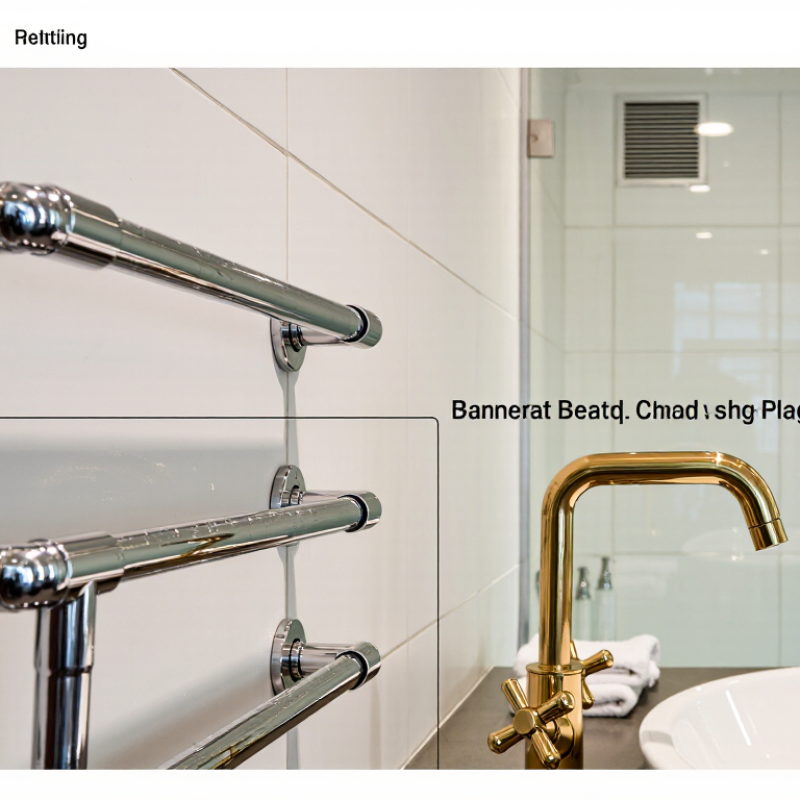
What Bathroom Hardware Includes and How It Supports Daily Use
Bathroom hardware includes faucets, shower sets, drains, towel bars, robe hooks, shelves, toilet accessories, and cabinet handles. These parts shape comfort, safety, and maintenance. For global buyers, the category involves more than appearance. A faucet must match local water pressure, pipe connections, and installation space. A drain needs suitable sizing and dependable sealing. Small errors can cause leaks, stains, or repeated service calls. That sounds simple. It is not.
Daily use tests hardware constantly. A shower control may be turned several times each day. Hinges, handles, and towel bars face moisture, movement, and cleaning chemicals. Material choice should reflect the bathroom environment and expected traffic. Surface treatment matters too. A smooth edge feels safer around wet hands. I have found that product photos can hide weak mounting plates or thin brackets. Ask for dimensional drawings, load guidance, corrosion data, and clear installation instructions. Independent test reports can support better decisions. Still, specifications do not replace hands-on checking.
Tips: Confirm thread standards and mounting dimensions before ordering. Request samples when finish consistency matters. Check whether replacement parts are available locally. Test handles with wet hands whenever possible. Leave enough clearance for cleaning and maintenance. Review packaging carefully, because damaged corners can affect installation. Attractive designs sometimes overlook grip, drainage, or repair access. That is worth questioning.
Why Is Bathroom Hardware Important for Global Buyers? - What Bathroom Hardware Includes and How It Supports Daily Use
| Hardware Category | What It Includes | Common Materials | Typical Size or Connection Data | How It Supports Daily Use | Key Buyer Considerations | Maintenance and Service Notes |
|---|---|---|---|---|---|---|
| Faucets and Mixers | Bathroom taps, basin mixers, shower mixers, handles, cartridges and aerators | Brass, stainless steel, zinc alloy components, ceramic cartridge parts and silicone seals | G1/2 water connections are common in many markets; basin tap-hole layouts vary by region and product type | Controls water flow and temperature for handwashing, shaving, bathing and cleaning | Check connection standards, operating pressure, temperature control, corrosion resistance and applicable local compliance requirements | Clean aerators and surfaces regularly; replace worn seals or cartridges when leakage develops |
| Showerheads and Hand Showers | Fixed showerheads, hand showers, shower hoses, slide bars and wall brackets | Stainless steel, brass, ABS or other bathroom-grade polymers, silicone nozzles and EPDM seals | G1/2 threaded shower connections are widely used; flow rate depends on the design and local water regulations | Delivers and directs water for bathing, rinsing and personal hygiene | Review connection type, spray coverage, pressure requirements, flow performance and ease of cleaning | Remove limescale from spray nozzles; inspect hose connections and seals for wear |
| Towel Rails and Towel Bars | Single or double rails, towel bars, rings and wall-mounting brackets | Stainless steel, brass, aluminum and plated metal | Common towel-bar lengths are approximately 450–800 mm, although available sizes vary by market and installation space | Provides a designated place to hang towels, helping them dry between uses and keeping the bathroom organized | Compare load capacity, rail length, wall clearance, fixing method and resistance to humid conditions | Dry the surface after cleaning; periodically check mounting screws and wall anchors |
| Robe Hooks | Single hooks, double hooks and multi-hook rails | Stainless steel, brass, aluminum, zinc alloy and bathroom-grade polymers | Typical projection is about 40–70 mm; exact dimensions depend on the hook design | Holds robes, clothing and small personal items close to the bathing area | Assess hook strength, rounded edges, spacing, wall substrate compatibility and moisture resistance | Avoid overloading; tighten fixings if movement occurs and clean with a non-abrasive product |
| Toilet Paper Holders | Wall-mounted holders, spare-roll holders, covered holders and recessed units | Stainless steel, brass, aluminum, zinc alloy and durable polymers | Many designs accommodate standard household toilet-paper rolls; roll diameter and width should be checked for regional compatibility | Keeps toilet paper accessible, protected and positioned for convenient use | Check roll capacity, refill method, mounting direction, wall clearance and resistance to corrosion | Wipe regularly and keep the holder dry where possible; inspect moving covers and fixing points |
| Bathroom Shelves and Baskets | Shower caddies, corner shelves, wall shelves and soap baskets | Stainless steel, aluminum, tempered glass and water-resistant polymers | Common shelf depths are approximately 100–250 mm; drainage openings are recommended for wet-area use | Stores soap, shampoo, toiletries and cleaning items while reducing clutter around the basin or shower | Review load capacity, drainage, edge safety, installation method, available space and rust resistance | Remove standing water and soap residue; avoid exceeding the stated load capacity |
| Grab Bars and Support Rails | Straight grab bars, angled bars, folding support rails and shower support handles | Stainless steel, coated steel and reinforced metal assemblies with secure mounting hardware | Common lengths range from approximately 300–600 mm; installation height and load requirements must follow local accessibility guidance | Improves stability when entering, exiting or moving inside a shower or near a toilet | Verify structural fixing, tested load capacity, bar diameter, surface grip and accessibility requirements | Inspect the bar, fasteners and wall condition regularly; do not rely on adhesive-only mounting for safety support |
| Bathroom Mirrors and Cabinets | Framed mirrors, mirrored cabinets, shelves, hinges, handles and optional lighting components | Glass mirror, aluminum, stainless steel, moisture-resistant board and corrosion-resistant fittings | Common cabinet depths are approximately 100–200 mm; dimensions should match the available wall and clearance | Supports grooming, personal care, storage and efficient use of limited bathroom space | Check mirror safety, moisture protection, door swing, ventilation, mounting strength and electrical requirements where applicable | Use a soft cloth and non-abrasive cleaner; keep electrical components dry and follow local installation rules |
| Drains and Waste Fittings | Basin wastes, shower drains, overflow components, strainers and trap connections | Stainless steel, brass, polypropylene and other plumbing-grade materials | Common basin waste sizes include 32 mm or 40 mm; shower drain sizes vary by plumbing system and local practice | Removes used water and helps prevent unwanted leaks, odors and blockages | Confirm pipe diameter, overflow compatibility, water-seal design, cleaning access and local plumbing standards | Remove hair and debris regularly; check seals and traps if slow drainage or odors occur |
Note: Dimensions and connection sizes shown are common market references rather than universal requirements. Global buyers should confirm local plumbing codes, accessibility rules, wall conditions, water pressure and installation instructions before selection.