Why Choose Pella Windows and Doors?
Windows affect more than a home’s appearance. They influence daylight, comfort, outside noise, and energy use. The U.S. Department of Energy’s Energy Saver guidance estimates that heat gain and loss through windows account for about 25%–30% of residential heating and cooling energy use. That makes window selection worth careful attention. It does not mean every replacement will deliver the same savings.
Pella Windows & Doors offers homeowners a range of styles, materials, and glass options to consider. The right choice depends on the building, local climate, budget, and installation quality—not just the brand name. Small details matter. A window facing afternoon sun may need different glass performance from one shaded by a porch.
The National Fenestration Rating Council (NFRC) provides standardized labels for comparing performance measures such as U-factor and solar heat gain coefficient. The U.S. Environmental Protection Agency’s ENERGY STAR program also sets climate-specific criteria for qualifying windows. These resources can help shoppers compare product specifications instead of relying on broad promises. Ask about the exact model, its ratings, warranty terms, and who will install it. A strong product can still disappoint if it is poorly fitted. And no rating tells the whole story.
This guide explores why homeowners consider Pella, what its product choices may offer, and which questions deserve a closer look before purchase. The trade-off is real: appearance, performance, price, and maintenance do not always point to one clear winner.
Pella’s Window and Door Range: Styles, Materials, and Product Types
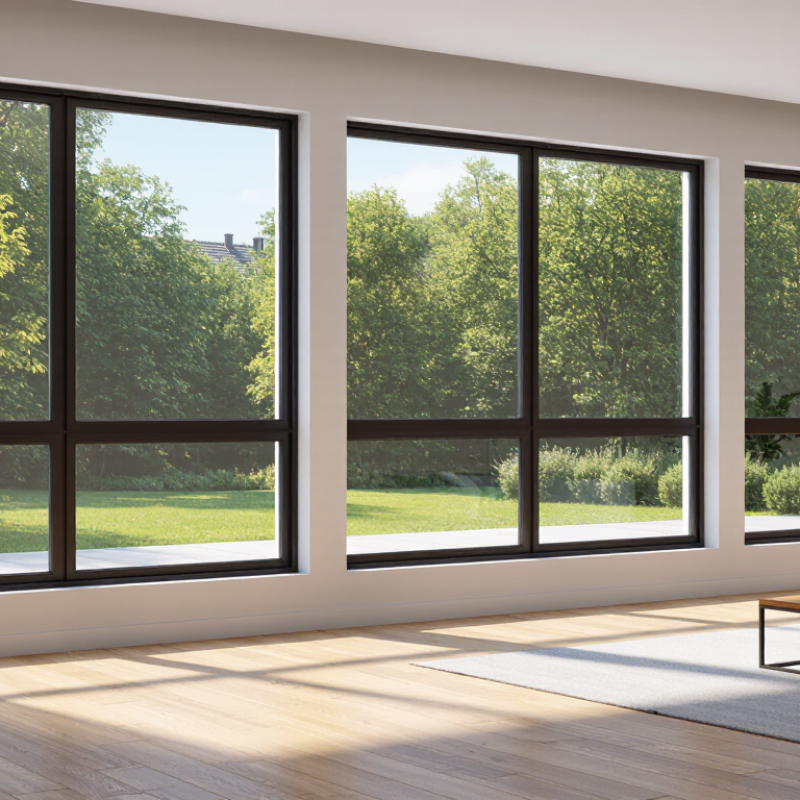
A window’s style changes more than a room’s appearance. Double-hung units suit traditional façades and allow top or bottom ventilation. Casement windows crank outward, while sliding styles work well where outdoor clearance is limited. Fixed picture windows bring in daylight but do not open. The choice becomes tangible at home: consider a low sill, a narrow hallway, or a kitchen sink blocking an inward swing.
Materials shape comfort, upkeep, and cost. Wood offers a warm interior finish but needs regular care. Vinyl generally requires less maintenance; fiberglass resists weather-related movement, while aluminum frames are slim and strong. No material wins everywhere. The U.S. Department of Energy reports that window heat gain and loss account for 25%–30% of residential heating and cooling energy use. Check National Fenestration Rating Council labels for U-factor and solar heat gain coefficient, then compare ratings suited to the local climate.
Door types also affect how a space functions. Hinged entry doors provide a familiar, solid feel; sliding patio doors preserve floor area, while hinged patio doors need room to swing. Glazing, frame material, weather seals, and threshold height all matter. Small details count. A beautiful door can still feel awkward if furniture blocks its path. Product choices are not always tidy; balancing daylight, ventilation, security, and maintenance takes some honest trade-offs.
How NFRC U-Factor and SHGC Ratings Help Compare Pella Products
How NFRC U-Factor and SHGC Ratings Help Compare Windows
A window’s appearance tells you little about how it handles heat. Check its NFRC label instead. U-factor measures heat transfer; lower values generally mean better insulation. SHGC measures how much solar heat passes through the glass. A lower SHGC can help limit summer heat, while a higher one may suit cold, sunny rooms. Compare the same product type and operating style, since ratings can vary by configuration. Small differences matter, but climate and window placement matter too.
The U.S. Department of Energy’s Energy Saver guidance estimates that heat gain and loss through windows account for about 25%–30% of home heating and cooling energy use. That makes ratings worth checking—not a promise of a particular bill. A north-facing room with a cool draft may benefit from a low U-factor; a west-facing room can become uncomfortably hot under afternoon sun. I’d still look at installation quality. A strong rating cannot fix a leaky frame or a poorly sealed opening.
Tips: Compare NFRC-rated U-factor and SHGC side by side. Check local climate guidance, then consider orientation, shade, and comfort. Keep the label or product sheet; it makes comparisons easier later.
Why Window Performance Matters: The U.S. DOE’s 25–30% Energy-Use Estimate
The U.S. Department of Energy estimates that windows can account for 25–30% of residential heating and cooling energy use. This figure refers to heating and cooling, not a home’s entire energy bill. Actual results vary with climate, window condition, home design, and occupant habits. That distinction matters.
Window performance depends on more than the glass. U-factor indicates how readily heat moves through a window, while solar heat gain coefficient describes how much sunlight enters. Air leaks around a poorly fitted frame can also create a cold draft beside a sofa or a warm patch near a sunny window. Better-performing windows may help reduce unwanted heat transfer, but replacement alone does not guarantee lower bills. Insulation, shading, and careful installation matter too. It is easy to focus on a product rating and overlook the frame.
Tips: Check for drafts on a windy day, and note which rooms feel uncomfortable. Compare window ratings suited to your climate. Ask an installer how gaps will be sealed, and review the whole opening—not just the glass. Small gaps matter.
What ENERGY STAR’s 7–15% Savings Estimate Means for Window Replacement
The 7–15% savings estimate is a planning range, not a promise on every energy bill. ENERGY STAR’s replacement-window guidance reports average bill savings of about 7% when single-pane windows are replaced with certified models. The U.S. Department of Energy notes that actual results vary with climate, window size, orientation, and existing construction. A cold draft beside a north-facing window may ease quickly; a shaded room with newer double-pane glass may show less change. The difference matters.
Window performance labels help make comparisons more practical. The National Fenestration Rating Council rates products for U-factor, which measures heat transfer, and solar heat gain coefficient, which shows how much solar heat passes through. Lower U-factor ratings generally help limit winter heat loss, though the right choice depends on local conditions. Careful installation and air sealing also matter; a high-performing window cannot fix every leak around an old frame. That is easy to overlook.
Tip: Check the rating label, inspect the frame for drafts, and compare quotes using your own utility bills—not a guaranteed percentage.
Why Choose Pella Windows and Doors? - What ENERGY STAR’s 7–15% Savings Estimate Means for Window Replacement
ENERGY STAR estimates that replacing clear-glass, single-pane windows with ENERGY STAR certified windows can reduce household energy bills by about 7–15%. The examples below apply that estimate to different illustrative annual energy-bill amounts; they are calculations, not guaranteed savings.
| Illustrative Current Annual Energy Bill |
Estimated Savings at 7% |
Estimated Savings at 15% |
Illustrative Annual Bill After Savings |
| $1,200 |
$84 |
$180 |
$1,020–$1,116 |
| $2,400 |
$168 |
$360 |
$2,040–$2,232 |
| $3,600 |
$252 |
$540 |
$3,060–$3,348 |
Actual results vary with climate, window area and condition, household energy use, utility rates, product selection, and installation quality. The estimate is a general comparison for replacing single-pane windows, not a promise of individual savings.
How to Assess Pella Installation, Warranties, Maintenance, and Costs
A window project succeeds or fails at the opening, not in the showroom. Ask who measures each window, who installs it, and who handles problems afterward. A careful installer checks the frame for level and square, seals gaps, and tests each sash before leaving. Request a written scope that identifies removal, flashing, cleanup, and any repairs to hidden damage. Details matter.
Read the warranty before signing. Separate coverage for glass, frames, hardware, and labor may have different limits. Confirm who files a claim and whether a service visit costs extra. Keep the contract, product labels, and dated photos together. I have seen small paperwork gaps make simple follow-up harder. That is easy to overlook.
Maintenance affects both performance and long-term cost. Ask which cleaners are safe, how often tracks need clearing, and whether seals require inspection. Get an itemized estimate covering materials, labor, permits if applicable, disposal, and likely add-ons such as trim repair. Compare quotes with matching specifications, not just totals. A cheaper bid can omit important work; a higher one is not automatically better. Leave room in the budget for surprises, because older frames sometimes conceal water damage.