Top Dog Doors for Sliding Glass Doors
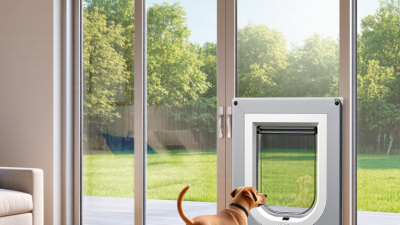
Choosing a Dog Door For Sliding Glass Door can make daily routines easier for both pets and owners. A suitable model lets your dog reach a secure patio without constant door handling. However, not every insert fits every sliding-door track, frame, or locking system.
This guide examines practical options for different homes and dog sizes. It considers panel height, glass-door measurements, weather sealing, locking strength, and installation effort. A sturdy aluminum frame may suit active dogs, while a flexible flap can help nervous pets adjust. Clear measurements matter. Even a small gap can create drafts, rattling, or an escape risk.
Real-world use reveals details product descriptions often miss. Some panels reduce the opening width more than expected. Others require lifting the sliding door slightly, which may affect security. Weather-resistant seals can also wear faster in harsh sunlight. These limitations deserve attention.
Safety remains central. The flap should close reliably, resist strong wind, and prevent unwanted animals from entering. A secure auxiliary lock is useful, especially in apartments or ground-level homes. Pet owners should also check local property rules before modifying a rental door. This review-style introduction aims to compare leading choices with practical judgment, not exaggerated promises. Products change, and installation results can vary. Careful checking is still necessary.
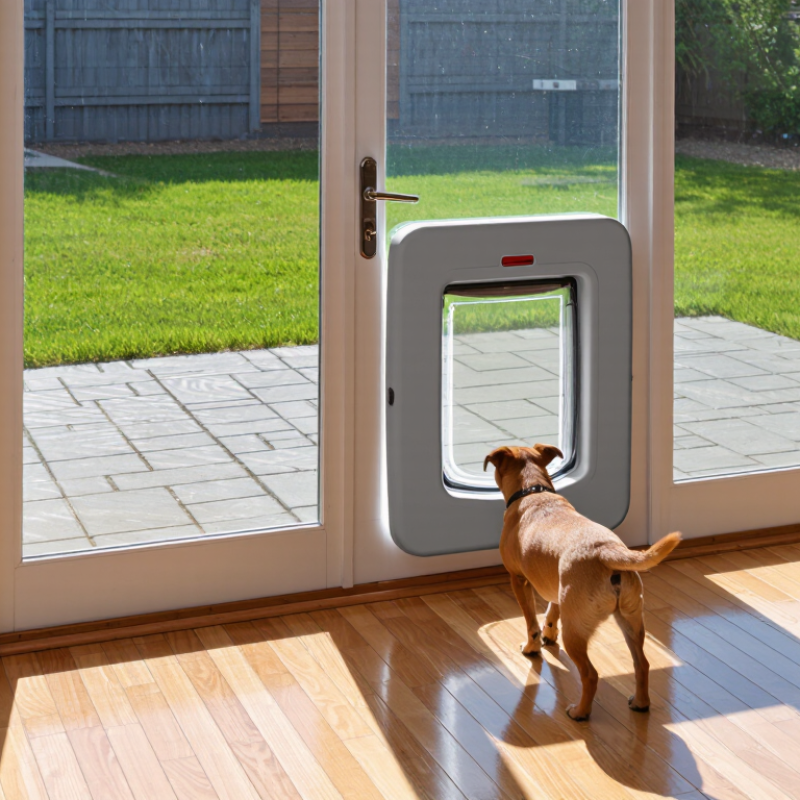
Types of Dog Doors for Sliding Glass Doors
Sliding glass doors need dog doors that fit the existing track, frame, and glass panel. The most common type is a track-mounted insert panel. It sits beside the closed glass door and creates a smaller opening for your dog. Adjustable models suit different door widths, but loose panels may rattle during windy weather. Fit matters.
A removable insert works well for renters or households needing seasonal access. You can install it without cutting the original glass. Look for strong edge seals, a secure latch, and a flap that closes without dragging. Measure the dog’s shoulder height and chest width, not only its weight. A narrow flap can discourage movement, while an oversized opening may reduce insulation. I have found that careful measuring prevents more problems than extra features.
A replacement-glass dog door offers a cleaner appearance. A glazier can place the pet opening inside a custom glass panel, which often improves stability and weather sealing. This option costs more and requires professional installation. It is less convenient to reverse later. Electronic flap systems are another type, using a collar sensor to limit access to selected pets. They need batteries, regular testing, and a backup plan during outages. Some owners focus on security but overlook the dog’s hesitation around a stiff flap. Let the animal approach slowly. A small training mistake can become a lasting refusal.
Key Features to Compare in Dog Door Models
Top Dog Doors for Sliding Glass Doors
Key Features to Compare in Dog Door Models
With 65.1 million U.S. households owning dogs, according to the APPA 2023–2024 National Pet Owners Survey, convenient outdoor access matters. However, a sliding-glass dog door must fit both your pet and your home. Measure your dog’s shoulder height, chest width, and step-over height. Do not rely on weight alone. A broad, low-threshold opening helps older dogs, while a stiff flap may frustrate smaller breeds. I once underestimated flap resistance. My dog hesitated for days.
Compare the panel’s frame strength, weather seal, and locking options. The U.S. Department of Energy recommends weatherstripping to reduce drafts around doors and openings. Look for flexible seals that close without leaving visible gaps. Insulated panels can also help in extreme temperatures, but they may reduce available glass width. Check whether the insert fits your track securely. A loose panel can rattle during windy nights. Multi-position locks are useful, especially when you need to restrict outdoor access.
Tips: Test the flap with one hand before installation. Confirm the opening does not block the sliding handle. Choose a washable, impact-resistant flap for muddy seasons. If security concerns remain, use a separate nighttime barrier. Product claims can sound impressive, yet real performance depends on accurate measurements and careful installation. Recheck the seal after several weeks. Small gaps often appear later.
Top Dog Doors for Sliding Glass Doors — Key Features to Compare
This comparison uses a practical 1–5 evaluation scale for common sliding-glass dog door designs. Higher scores indicate stronger performance for the selected feature.
When comparing models, check the flap opening against your dog’s shoulder width, confirm the insert panel fits the sliding-door track, and look for weather sealing, secure locking points, and adjustable installation features.
Installation Methods, Security, and Weather Protection
Top Dog Doors for Sliding Glass Doors
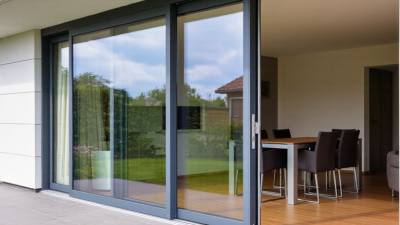
A sliding-glass dog door usually uses a fitted panel placed beside the moving door. Measure the opening twice, including the track and frame. A small error can leave gaps or prevent smooth movement. Choose a panel with a rigid frame and a flexible flap suited to your dog’s shoulder height. Installation should not require cutting the glass. That matters because modifying sealed glass can weaken its structure and create costly problems.
Security needs equal attention. A strong latch can limit the sliding panel’s movement from outside. Some owners add a removable security bar inside the lower track. Check that the bar cannot become a tripping hazard. The pet flap should close firmly after use, but it may not seal perfectly in strong wind. I have found that loose fittings become obvious after several cold nights. They should have been checked earlier.
Tips: Test the door with your dog present. Watch for hesitation, scraping claws, or a flap that strikes the back. Add weather-resistant sealing foam around the panel edges, then inspect it after rain. Keep the flap clean, especially along its magnetic or weighted closure. A draft can still appear. If the opening faces heavy weather, position the flap away from direct wind when possible. Do not block emergency access or weaken the original locking system.
Choosing the Best Dog Door for Your Home and Pet
Choosing the best dog door starts with your pet, not the sliding glass door. The American Pet Products Association’s 2023–2024 National Pet Owners Survey reports that 66% of U.S. households own a pet. That scale matters. Dogs vary widely in height, confidence, and mobility. Measure your dog’s shoulder height and chest width before choosing an opening. A door that feels generous to a young dog may become awkward after weight gain or joint stiffness.
Check the glass panel, frame, and locking system carefully. A stable insert should sit firmly without rattling when your dog pushes through. Weather seals matter too, especially during windy or rainy seasons. The U.S. Department of Energy identifies doors as part of a home’s thermal envelope, so poor sealing can increase drafts and energy loss. Small gaps become obvious on a cold floor. Not every “universal” fit is truly universal.
Safety deserves equal attention.
The American Veterinary Medical Association’s pet ownership research shows how common dogs are in American homes, but common does not mean risk-free. Choose a flap that closes reliably and opens without trapping fur or paws. Consider your dog’s temperament. A nervous dog may need a transparent flap and gentle training.
I once underestimated that detail. My assumption was wrong. Test the door indoors first, then supervise outdoor use until your pet moves through calmly.