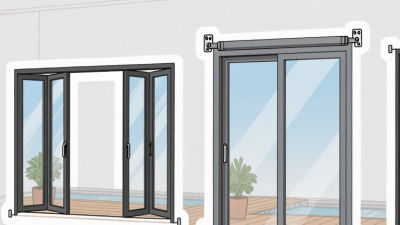
" "

Blog

7 Best Patio Doors and Installation Tips for Global Buyers

Choosing among the 7 Best Patio Doors And Installation methods requires more than comparing photographs and prices. A beautiful glass door can still leak air, admit rain, or create a dangerous threshold if the opening is poorly prepared. The U.S. Department of Energy reports that windows and doors can influence roughly 25–30% of residential heating and cooling energy use. That figure makes thermal performance a practical buying concern, not a decorative detail.

Professional ratings provide a stronger starting point. The National Fenestration Rating Council evaluates U-factor, solar heat gain coefficient, visible transmittance, and air leakage. These measurements help buyers compare products across climates. However, ratings are not the whole story. The International Energy Agency’s buildings research also emphasizes the importance of efficient envelopes, shading, and installation quality. A high-performing door cannot compensate for a twisted frame or missing sill pan.

This guide examines sliding, hinged, folding, and lift-and-slide patio systems for global buyers. It considers frame materials, glazing, drainage, security hardware, weather exposure, and long-term maintenance. Coastal homes may need corrosion-resistant hardware. Cold regions may benefit from low-emissivity glazing and insulated frames. Tropical projects require careful solar-control decisions. Small details matter: a level threshold, sealed corners, and correctly sized shims can prevent years of frustration.

There is no perfect door.

A ranking can still mislead. Local building practices, wall construction, and installer skill change the final result. Therefore, each recommendation should be checked against regional standards, manufacturer instructions, and verified performance documents. That practical caution supports a more reliable purchasing decision.
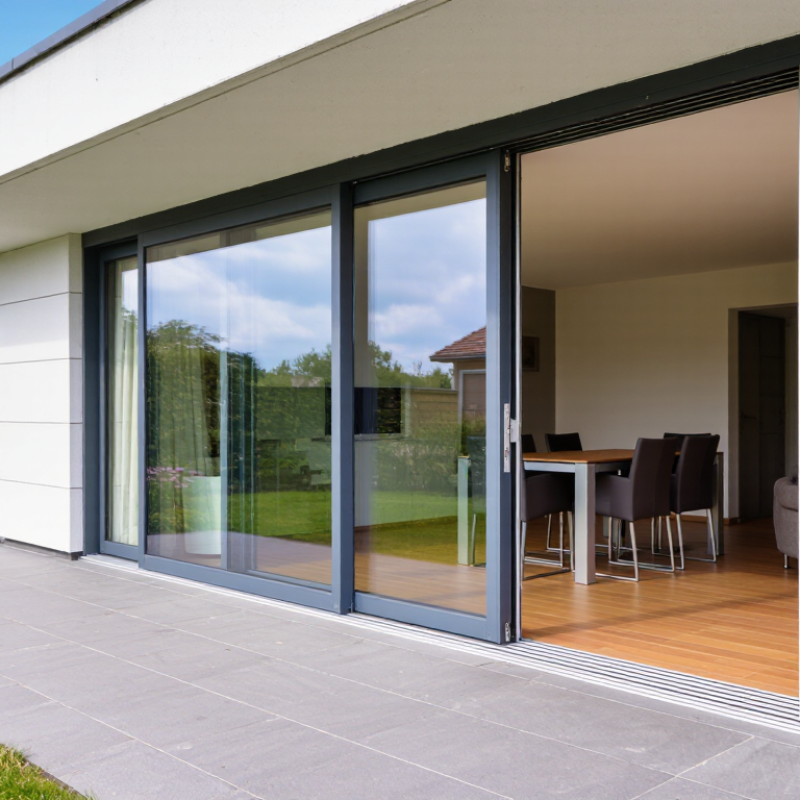
7 Best Patio Doors and Installation Tips for Global Buyers

Patio Door Basics: Styles, Materials, and Opening Configurations

Patio doors shape daylight, airflow, security, and the daily movement between rooms and gardens. Sliding doors save floor space, while hinged French doors offer a wider opening and a more traditional feel. Folding systems can create almost uninterrupted views, but their tracks need careful cleaning. Lift-and-slide designs suit large panels, although their weight demands precise installation.

Frame materials change performance and maintenance. Vinyl resists moisture and usually requires little upkeep. Aluminum provides slim sightlines and strong structural support, but thermal breaks are essential in hot or cold climates. Timber adds warmth and repairability, yet it needs regular sealing. Fiberglass offers dimensional stability, though local availability may affect cost.

Glass matters too. Low-emissivity coatings, insulated glazing, and suitable solar-control values should match the climate, orientation, and room use.

The U.S. Department of Energy reports that windows account for about 25–30% of residential heating and cooling energy use. Patio doors contain large glazed areas, so small specification errors can become uncomfortable and expensive. The National Fenestration Rating Council evaluates U-factor, solar heat gain coefficient, visible transmittance, and air leakage. Compare these ratings, not attractive brochure language.

GlobalABC’s 2024 buildings report attributes 32% of global energy demand to buildings.

I still see buyers choose the widest door first. That can be a mistake. Check sill height, drainage, wind exposure, furniture clearance, and the installer’s experience with local weather.

Seven Leading Patio Door Types for Different Homes and Climates

Choosing patio doors begins with climate, wall structure, and daily traffic, not appearance alone. Seven practical types cover most homes: sliding, French, hinged single, folding, multi-slide, lift-and-slide, and pivot doors. Sliding doors save floor space and suit compact rooms. Their tracks need frequent cleaning in dusty or coastal areas. French doors open wide, but their swing requires clear indoor space. Hinged single doors work well for narrow patios and simple renovations. They feel familiar.

Folding doors create a broad opening through linked panels. They suit mild climates, shaded terraces, and entertaining areas. Check panel weight before choosing them. Windy sites need strong hardware and careful anchoring. Multi-slide doors stack panels beside the wall, offering cleaner views than folding systems. However, the pocket wall must be designed before construction. Retrofitting can become expensive. Lift-and-slide doors use rolling hardware to move large, heavy panels with less friction. Proper leveling matters; a small error can cause stubborn movement and air leakage.

Pivot doors make a dramatic entrance, although they need generous clearance and accurate floor alignment. In cold regions, prioritize insulated frames, low-emissivity glazing, and tested weather seals. In hot, sunny regions, external shading may reduce heat better than darker glass alone. Ask installers to inspect drainage, sill height, wall condition, and local wind loads. I have seen attractive doors fail because water had nowhere to escape. That detail is easy to miss. Measure furniture paths too. A door can open correctly and still block the room.

How to Compare Energy Efficiency, Security, Durability, and Maintenance

Choosing among sliding, hinged, folding, and lift-and-slide patio doors requires more than comparing prices. The U.S. Department of Energy reports that windows account for about 25–30% of household heating and cooling energy use. Ask for the U-factor, SHGC, and air-leakage rating. Lower U-factor improves insulation, while SHGC should match the local climate. A low-e coating and insulated glass can reduce winter drafts, but poor installation can undermine both.

Security needs practical inspection. Check whether the frame resists twisting, the lock engages deeply, and the rollers cannot be lifted from the track. Laminated glass offers better resistance than ordinary annealed glass. The International Energy Agency identifies building-envelope performance as central to reducing energy demand, yet labels alone cannot reveal every installation weakness. Test the door yourself. A stiff lock is a warning.

Durability depends on climate and maintenance. Coastal buyers should seek corrosion-resistant hardware and carefully sealed drainage paths. In rainy regions, inspect weep holes and sill flashing before covering the frame. NFRC certification helps compare tested thermal performance, but laboratory results are not the whole story. Clean tracks twice yearly, tighten hardware, and replace cracked seals early. Some attractive minimalist frames demand more adjustment than expected. That trade-off deserves honest reflection.

7 Best Patio Doors and Installation Tips for Global Buyers - How to Compare Energy Efficiency, Security, Durability, and Maintenance

Patio Door Type Typical Whole-Unit U-Factor* Solar Heat Gain Control Security Features to Specify Durability and Climate Suitability Maintenance Level Typical Service-Life Potential** Installation Tips for Global Buyers
Vinyl Sliding Patio Door 0.25–0.35 Btu/h·ft²·°F
Lower values indicate better insulation.
Low-E double glazing with a typical SHGC of 0.25–0.40; choose a lower SHGC for hot, sunny climates. Multi-point or reinforced hook-bolt lock, anti-lift blocks, security screws, and laminated glass where forced entry or storms are concerns. Resists moisture, rot, and insects well. Suitable for humid regions; expansion and contraction should be allowed for in hot climates. Low
Clean tracks, lubricate rollers, inspect weather-stripping, and clear drainage holes.
20–30 years with quality components and correct installation. Install on a level, structurally sound sill. Confirm the sill pan, end dams, flashing, and exterior drainage before fitting the frame.
Fiberglass Sliding Patio Door 0.22–0.30 Btu/h·ft²·°F Low-E double or triple glazing; use SHGC according to local heating and cooling requirements. Use a reinforced frame, multi-point lock, anti-lift protection, laminated or tempered safety glass, and impact-rated construction where required. Very stable in changing temperatures and resistant to moisture, corrosion, and ultraviolet exposure. Well suited to coastal and high-humidity locations. Low
Periodic track cleaning, roller adjustment, seal inspection, and hardware lubrication are normally sufficient.
25–40 years with regular care. Check the wall opening for square and plumb conditions. Use corrosion-resistant fasteners in coastal locations and verify the drainage path remains unobstructed.
Wood-Clad Hinged French Door 0.20–0.30 Btu/h·ft²·°F Low-E double or triple glazing can provide strong thermal performance; select SHGC based on orientation and climate zone. Specify a continuous multi-point lock, reinforced strike plates, adjustable hinges, laminated glass, and a properly anchored frame. Excellent insulation and appearance. Exterior cladding improves weather resistance, while exposed wood requires protection from moisture and ultraviolet light. Medium to high
Inspect finishes, refresh exposed coatings, maintain seals, and adjust hinges if the doors sag.
25–50 years depending on moisture control and finish maintenance. Use a sill pan and positive exterior drainage. Keep wood components off standing water and maintain the required clearance above finished flooring.
Thermally Broken Aluminum Sliding Door 0.28–0.40 Btu/h·ft²·°F Low-E glazing is important because aluminum frames conduct heat more readily than insulated vinyl or fiberglass frames. Typical SHGC is 0.25–0.40. Use a tested multi-point lock, anti-lift devices, reinforced track, laminated glass, and corrosion-resistant hardware. Strong, slim, and resistant to warping. Marine-grade finishes and stainless-steel hardware are recommended for coastal or salt-air environments. Low to medium
Clean tracks, inspect drainage, lubricate rollers, and check gaskets for compression and wear.
30–50 years when thermal breaks, coatings, and hardware are properly maintained. Confirm that the frame includes a continuous thermal break. Use compatible flashing and isolate dissimilar metals to reduce galvanic corrosion.
Insulated Steel Hinged Patio Door 0.25–0.35 Btu/h·ft²·°F Low-E double glazing and insulated door panels can provide good energy performance; choose solar-control glass for hot climates. Use three or more heavy-duty hinges, a multi-point lock, reinforced jambs, deadbolt protection, and safety or laminated glazing. High structural strength and good resistance to impact. Damaged coatings must be repaired quickly to prevent corrosion, especially in humid or coastal areas. Medium
Inspect paint or powder coating, touch up scratches, lubricate hardware, and maintain perimeter seals.
20–40 years depending on coating quality, exposure, and corrosion control. Provide a well-drained sill and use approved corrosion-resistant fasteners. Check that the rough opening can support the heavier door assembly.
Lift-and-Slide Patio Door 0.22–0.32 Btu/h·ft²·°F Large glazed areas benefit from Low-E double or triple glazing. Select glass using local SHGC, glare, and overheating requirements. Specify multi-point locking around the active panel, anti-lift protection, laminated glass, concealed locking rods, and a tested secure-closure system. Provides wide openings with strong frames and heavy-duty rollers. Performance depends heavily on precise fabrication, drainage, and structural support. Medium
Keep tracks free of grit, inspect rollers and seals, clean drainage channels, and have the hardware adjusted when operation becomes heavy.
25–40 years with professional installation and periodic hardware service. Verify header deflection limits, sill waterproofing, floor levelness, and panel weight capacity. Large units should be handled and aligned by trained installers.
Bi-Fold or Multi-Panel Folding Patio Door 0.28–0.40 Btu/h·ft²·°F Use Low-E glazing and carefully select SHGC because the large glass area can increase solar heat gain. Exterior shading may be necessary in hot climates. Use multi-point locks, shoot bolts at the top and bottom, anti-lift hardware, laminated or impact-rated glass where applicable, and restricted opening devices if needed. Creates a very wide opening but has more joints, rollers, seals, and hardware than simpler door systems. Performance varies significantly by configuration and exposure. Medium to high
Clean tracks and hinges, inspect seals, lubricate moving parts, and adjust panels when alignment changes.
20–35 years with careful alignment and regular hardware maintenance. Provide adequate structural support, accurate opening dimensions, a continuous sill pan, and effective head and jamb flashing. Confirm the required stacking space before ordering.
Comparison notes: *U-factor values are typical whole-unit ranges expressed in Btu/h·ft²·°F; actual results vary with frame material, glazing, size, spacer, seals, and testing method. Lower U-factor values generally indicate better insulation. SHGC means Solar Heat Gain Coefficient; lower values reduce solar heat gain, while higher values can benefit cold climates. **Service-life figures are practical planning ranges, not guarantees. Always confirm local wind-load, water-penetration, impact, ventilation, egress, safety-glazing, energy-labeling, and building-code requirements before purchase or installation.

Global Buying Guide: Sizes, Standards, Weather Ratings, and Local Codes

For global buyers, the seven strongest patio-door choices include sliding, hinged, folding, lift-slide, multi-slide, corner, and French configurations. Select by climate, opening size, and service access. Common widths range from 1,800 to 6,000 millimeters, but structural openings differ by region. Confirm the rough opening, sill height, frame depth, and glass thickness before ordering.

Weather performance needs measurable ratings. The U.S. Department of Energy reports that windows account for about 25–30% of residential heating and cooling energy use. Better glazing can reduce this burden. Request U-factor, solar heat gain coefficient, air-leakage, and visible-transmittance values.

For water and wind resistance, compare test results under AAMA/FGIA 101 standards or equivalent regional systems. ISO 6612 testing can also help when suppliers serve multiple markets. Numbers matter more than attractive brochures.

Local codes remain decisive. Check wind zones, impact-glazing rules, thermal requirements, drainage details, safety glass locations, and accessible-threshold limits with the local authority. European projects may reference CE-marking requirements, while North American projects often use code-approved fenestration ratings. Do not assume one certificate works everywhere. I have seen specifications fail because the frame passed testing, but the installed sill lacked proper drainage. That detail is easy to miss. Ask for installation drawings, test reports, warranty limits, and replacement-part availability in the destination country. Allow for imperfect walls, uneven slabs, and unfamiliar labor practices. A beautiful door can still perform poorly when installation is rushed.

Step-by-Step Patio Door Installation and Post-Installation Checks

Before installation, inspect the wall opening for rot, cracks, moisture, and uneven surfaces. Measure the width, height, and diagonals at several points. Check local building codes, especially for wind, insulation, drainage, and emergency exit requirements. Do not trust one measurement. Remove debris, then protect the floor with a firm covering. Wear gloves and eye protection. Two people should carry the door frame.

Dry-fit the frame before applying sealant. Confirm that the sill slopes outward and that drainage paths remain open. Apply compatible flashing and sealant according to the installation instructions. Set the frame gently, then secure it with corrosion-resistant fasteners. Check the jamb with a level after every adjustment. Small shims can correct movement, but excessive force may bend the frame. Install the panels, rollers, handles, and locking hardware without forcing them. The first adjustment may not be perfect.

After installation, open and close each panel several times. The movement should feel smooth, without scraping or sudden resistance. Check equal gaps around the panels and test the lock from inside and outside. Spray water lightly over the exterior joints, then inspect the interior for leaks. Examine the sill after rain, because hidden drainage problems may appear later. Recheck screws, sealant, rollers, and weatherstripping after several days. A frame can look square but still drag. If that happens, stop and measure again. Keep installation records, product instructions, and inspection photos for future maintenance.