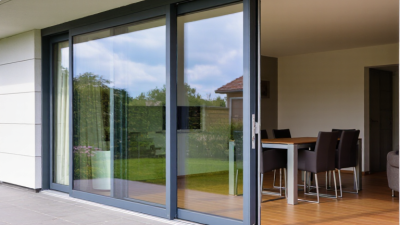
10 Best Vinyl Patio Doors for Global Buyers
Choosing among the 10 Best Vinyl Patio Doors for Global Buyers requires more than comparing appearance and price. A bright showroom door may look impressive, yet perform poorly beside a windy coast or under intense tropical sunlight. Vinyl Patio Doors must manage water, heat, air movement, security, and daily use.
Building-science expert Dr. Joseph Lstiburek often says, “If you don’t understand water, you don’t understand buildings.” That warning matters here. A patio door is a moving opening in the building envelope. Its frame, sill, rollers, seals, drainage paths, and installation method all affect long-term performance. Small details matter. A poorly sloped sill can leave rainwater trapped after one storm.
This guide examines leading options through practical criteria. These include frame strength, glass configuration, thermal efficiency, impact resistance, hardware quality, accessibility, and warranty support. Regional conditions also matter. A product suited to a mild European climate may need upgrades for desert heat, monsoon rain, or coastal corrosion.
The “best” door is not always the most expensive one. Sometimes, it is the model with clearer installation guidance and better replacement-part access. That can be overlooked.
We also recognize an uncomfortable limitation: published performance figures do not guarantee flawless results on every project. Installation quality, wall construction, and local service networks can change the outcome. Therefore, global buyers should verify certifications, climate suitability, opening dimensions, and after-sales support before ordering. The shortlist that follows aims to make that evaluation more practical, transparent, and grounded in real-world use.
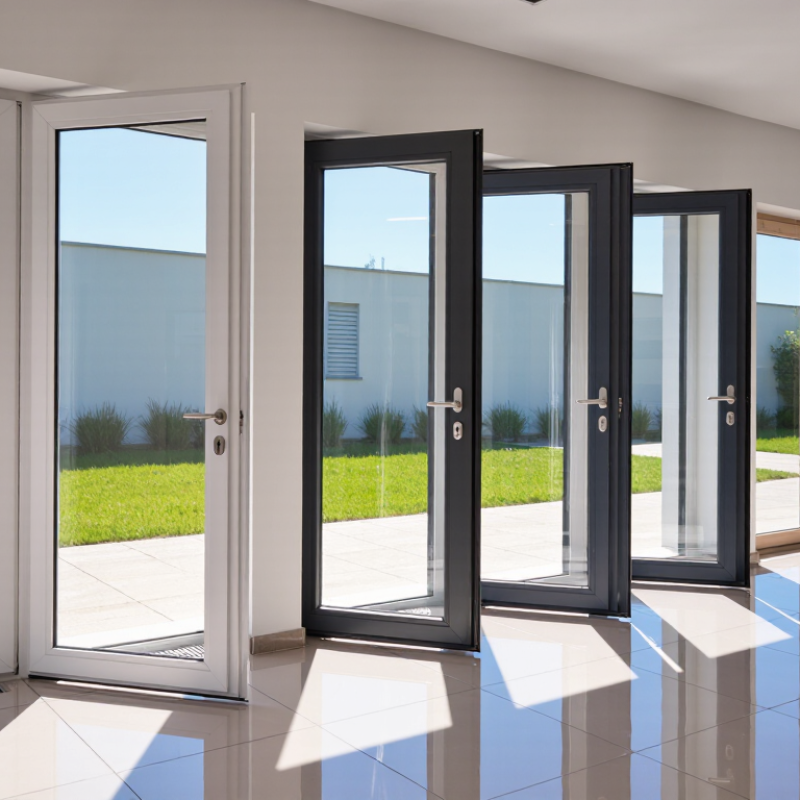
What Makes Vinyl Patio Doors Suitable for Global Homes
Vinyl patio doors suit global homes because they balance insulation, moisture resistance, and everyday practicality. The U.S. Department of Energy reports that windows can cause 25–30% of residential heating and cooling energy use. A well-built vinyl frame can reduce thermal bridging, especially when paired with insulated glazing and warm-edge spacers. It also resists swelling and corrosion near humid coastlines.
Climate still changes the specification. In cold regions, buyers should compare low U-values and airtightness ratings. In hot, sunny regions, a lower solar heat gain coefficient can reduce indoor heat. The 2023 UNEP Global Status Report identifies buildings as responsible for about 34% of global energy demand. Small envelope improvements matter.
Installation remains decisive. I have seen a high-performing door lose comfort through an uneven sill, weak flashing, or gaps around the frame. Vinyl is not magic. Large panels need strong reinforcement, accurate shimming, and drainage paths. Local wind, rain, and seismic requirements should guide the final selection. Look for tested air, water, and structural performance, not attractive sample labels alone.
Maintenance is usually simple: rinse the tracks, clear weep holes, and inspect seals each season. However, dark finishes may absorb more heat, and oversized doors can challenge frame stability. The best choice is not merely the cheapest or widest model. It is the system matched to climate, wall construction, glass performance, and skilled installation.
Key Features to Compare Before Choosing a Vinyl Patio Door
Choosing among the 10 best vinyl patio doors starts with climate, not appearance. The U.S. Department of Energy reports that windows can account for about 25% of household heating and cooling energy use. Patio doors contain large glass areas, so frame quality alone is not enough. Compare whole-unit U-factor and solar heat gain coefficient (SHGC), rather than center-glass claims. Lower U-factor generally reduces heat transfer. Lower SHGC suits hot, sunny rooms, while higher SHGC may support passive winter warmth.
Check the National Fenestration Rating Council label for U-factor, SHGC, visible transmittance, and air leakage. These values make products easier to compare across markets. Ask for certified test results, not vague phrases such as “energy saving.” The Fenestration and Glazing Industry Alliance performance standards also evaluate air, water, and structural performance. Coastal buyers should examine water resistance and wind-load ratings carefully. A beautiful door can still leak air.
Glass selection needs practical attention. Low-emissivity coatings, insulated glazing, warm-edge spacers, and adequate drainage can reduce condensation risks. Tempered or laminated safety glass may be required, depending on local building rules. Inspect roller movement, interlock alignment, locking points, and replacement-part availability. Installation matters just as much as the door. Measure twice. My own buying logic becomes less tidy here: the highest rating may not suit every climate, wall design, or maintenance budget. A lower-cost unit can perform well when correctly sized and installed.
10 Best Vinyl Patio Doors for Global Buyers - Key Features to Compare Before Choosing a Vinyl Patio Door
| Rank | Vinyl Patio Door Type | Best Use | Typical Configuration | Typical Glazing | Typical U-Factor | Typical SHGC | Common Security Features | Key Advantage | Main Limitation |
|---|---|---|---|---|---|---|---|---|---|
| 1 | Energy-Efficient 2-Panel Sliding Door | Everyday residential replacement | One fixed panel and one operating panel | Double glazing; low-emissivity coating; argon option | 0.25–0.32 Btu/h·ft²·°F | 0.25–0.40 | Multi-point or hook-bolt lock, anti-lift block, keyed handle option | Good balance of cost, ventilation, and thermal performance | Only half of the framed opening normally operates |
| 2 | Triple-Glazed Sliding Door | Cold climates and high energy-efficiency projects | Two-panel or three-panel sliding system | Triple glazing; low-emissivity coatings; inert-gas fill | 0.18–0.25 Btu/h·ft²·°F | 0.20–0.40 | Reinforced lock points, anti-lift protection, laminated-glass option | Lower heat transfer and improved interior comfort | Higher weight, cost, and installation requirements |
| 3 | Low-Threshold Accessible Sliding Door | Wheelchair access and aging-in-place homes | Two-panel slider with reduced-height sill | Double glazing; low-emissivity coating; safety glass where required | 0.27–0.35 Btu/h·ft²·°F | 0.25–0.45 | Low-profile sill, positive latch, anti-lift device | Easier movement for mobility devices and wheeled equipment | Drainage and water-resistance details require careful installation |
| 4 | 3-Panel Wide-Opening Slider | Large patios and wide outdoor connections | One fixed panel with two operating panels, or center-opening layout | Double glazing; solar-control coating available | 0.25–0.35 Btu/h·ft²·°F | 0.22–0.40 | Multi-point lock, anti-jump rollers, reinforced interlocks | Wider visual opening without requiring swing clearance | Larger units can be heavy and need a level supporting structure |
| 5 | Vinyl-Fiberglass Reinforced Sliding Door | Large openings and high-wind locations | Two- or three-panel slider with reinforced sash members | Double or triple glazing; impact-rated option in some markets | 0.22–0.32 Btu/h·ft²·°F | 0.20–0.40 | Reinforced meeting rail, multi-point lock, tested impact option | Improved rigidity compared with basic hollow vinyl profiles | Can cost more and may have heavier operating panels |
| 6 | Lift-and-Slide Vinyl Door | Premium homes with very large glazed openings | Large operating panel lifted clear of the track before sliding | Double or triple glazing; low-emissivity and laminated options | 0.20–0.30 Btu/h·ft²·°F | 0.20–0.40 | Multi-point locking, heavy-duty rollers, anti-lift hardware | Smooth operation for oversized panels and strong weather sealing | Higher purchase price and more demanding structural preparation |
| 7 | Impact-Resistant Vinyl Patio Door | Hurricane-prone coastal regions | Two- or three-panel system tested for regional wind loads | Laminated impact glazing with certified structural testing | 0.25–0.38 Btu/h·ft²·°F | 0.20–0.40 | Impact-rated glass, reinforced frame, multi-point lock | Enhanced resistance to windborne debris when properly certified | Heavy glazing and regional approval requirements may increase cost |
| 8 | Solar-Control Vinyl Sliding Door | Hot, sunny, or cooling-dominated climates | Two-panel or three-panel slider with climate-specific glass | Low-solar-gain low-emissivity double glazing | 0.25–0.35 Btu/h·ft²·°F | 0.18–0.30 | Standard multi-point lock, anti-lift block, reinforced keeper | Reduces unwanted solar heat gain and glare | Lower visible light transmission can make interiors darker |
| 9 | Acoustic-Laminated Vinyl Patio Door | Urban homes and properties near traffic | Two-panel slider with laminated inner glass layer | Laminated double glazing; optional low-emissivity coating | 0.27–0.38 Btu/h·ft²·°F | 0.25–0.45 | Multi-point lock, reinforced interlock, laminated-glass security benefit | Can reduce perceived outdoor noise when the whole opening is well sealed | Acoustic performance depends strongly on walls, seals, and installation |
| 10 | Budget Replacement Vinyl Patio Door | Rental properties and cost-sensitive renovations | Standard two-panel sliding door | Insulating double glazing; basic low-emissivity option | 0.30–0.40 Btu/h·ft²·°F | 0.25–0.45 | Single or dual-point latch, keyed lock option, anti-lift block | Lower initial cost and widely available replacement sizes | Usually fewer customization, hardware, and performance options |
10 Best Vinyl Patio Doors for Different Buyer Needs
Choosing among the 10 best vinyl patio doors depends on the buyer, not just the door. For cold climates, prioritize a low U-factor and insulated frames. In hot regions, a lower solar heat gain coefficient can reduce indoor overheating. Coastal buyers need corrosion-resistant hardware and tested weather seals. Compact homes may benefit from sliding panels, while accessible homes need low thresholds and easy handles. Families often value multi-point locking, laminated glass, and secure ventilation. Renovators may prefer standard opening sizes. Budget-focused buyers should compare lifetime maintenance, not only purchase price. Daylight seekers need larger glazed areas, but they must check heat gain carefully.
The U.S. Department of Energy reports that windows can represent about 25–30% of residential heating and cooling energy use. Patio doors belong to this wider fenestration performance discussion. ENERGY STAR guidance also shows that suitable performance values vary by climate zone and product type. The National Fenestration Rating Council label helps buyers compare U-factor, solar heat gain coefficient, visible transmittance, and air leakage. These figures are more useful than vague claims such as “energy saving.”
I would also inspect drainage paths, corner seals, and roller adjustment in person. Small installation errors can ruin a strong product. A low U-factor alone is not enough. In humid markets, poor water management may matter more than extra glass. Global buyers should compare local building codes, warranty coverage, replacement hardware access, and tested performance. Ten needs rarely fit one perfect door. That is the part many buying guides overlook.
Installation, Maintenance, and Climate Considerations
Choosing among the 10 best vinyl patio doors requires more than comparing appearance and price. Installation quality affects insulation, drainage, security, and daily operation. A qualified installer should check the opening, level the sill, and leave the manufacturer’s required expansion gap. Proper flashing is essential, especially in regions with heavy rain or snow. Local building requirements should also be reviewed before ordering.
Climate changes the ideal specification. In hot, sunny areas, choose durable frames, low-emissivity glass, and reliable UV protection. Cold regions need insulated glass and tight weather seals. Coastal homes require corrosion-resistant hardware and careful salt removal. Humid climates need clear drainage paths around the sill and track. No door is maintenance-free. That reality is easy to forget.
Tips: Clean tracks with a soft brush every few months. Do not force a stiff panel. Inspect seals after extreme weather, and replace damaged weatherstripping early. Lubricate approved rollers lightly, but avoid oily products that collect grit. Keep interior moisture under control, since condensation may indicate poor ventilation or inadequate glass performance. A small level can reveal early frame movement. If water appears indoors, stop guessing and request a professional inspection. Even experienced homeowners can miss hidden flashing problems.
How to Select the Right Vinyl Patio Door for Your Market
The best vinyl patio door depends on climate, building codes, and installation habits. A low U-factor helps in cold regions. However, it can mislead buyers in hot climates. The U.S. Department of Energy reports that windows account for about 25–30% of residential heating and cooling energy use. Therefore, compare U-factor and solar heat gain coefficient together. In tropical markets, lower solar heat gain may matter more than maximum insulation. In colder areas, insulated frames and low-emissivity glazing deserve priority.
Check local wind, rain, and safety requirements before comparing designs. The National Fenestration Rating Council provides standardized ratings for U-factor, SHGC, visible transmittance, and air leakage. These figures improve cross-market comparisons. Coastal projects need corrosion-resistant hardware and reliable drainage paths. Imagine a sliding panel exposed to salt spray, driving rain, and sand. Its roller system must remain serviceable after repeated use. Large openings also require careful structural review. A 2.4-meter door may need stronger reinforcement than a standard residential unit.
Installation quality often decides real performance. The International Energy Agency’s buildings reports show that buildings remain a major global energy consumer, making envelope details important. Ask suppliers for water-penetration, air-leakage, thermal, and impact-test evidence. Verify testing methods and regional applicability. A beautiful frame cannot repair a poorly sealed sill. My selection process still has weaknesses; laboratory ratings may not reflect dusty sites or uneven masonry. Field inspection, replacement-part access, and installer training should influence the final choice. Performance must survive real weather.
Related Posts
-
7 Best Patio Doors and Installation Tips for Global Buyers
-
Top 10 Sliding Patio Door Installation Tips You Need to Know?
-
Best Windows and Sliding Doors Comparison Chart for Ultimate Home Upgrade
-
Understanding the Benefits of Energy Efficient Window Replacements for Your Home
-

Exploring Innovative Patio Windows And Doors Solutions for Energy Efficiency and Aesthetic Appeal
-

The Benefits of Choosing Vinyl Windows for Energy Efficiency and Long Lasting Durability