
How to Choose the Best Glass Patio Doors?
Choosing Glass Patio Doors is not just a style decision. It changes how daylight enters a room, how people move between spaces, and what the patio feels like from indoors. Architect Frank Lloyd Wright wrote, “The space within becomes the reality of the building.” That idea matters here: a door is part of the room’s everyday experience, not merely a pane of glass.
Start with the opening and your routine. Measure the width, note nearby furniture, and picture carrying a tray through the doorway. A sliding door saves swing space; a hinged design may create a wider opening, but needs clearance. Look at the frame, glass type, hardware, and weather seals together. A beautiful panel is less useful if it sticks after a rainy season or lets a cold draft cross the floor.
Then consider sunlight, privacy, cleaning, and upkeep. Stand where the afternoon sun hits. Notice reflections on the glass and glare on a screen. Small details count. So does installation quality. Ask how the unit will be supported, sealed, and adjusted, and request clear product specifications. Compare warranties and maintenance needs before choosing a price.
There may be no perfect option. A large glass area can brighten a room, yet make privacy harder. That trade-off deserves an honest look. This guide will help you weigh practical features against appearance, so your choice fits the home you actually live in.
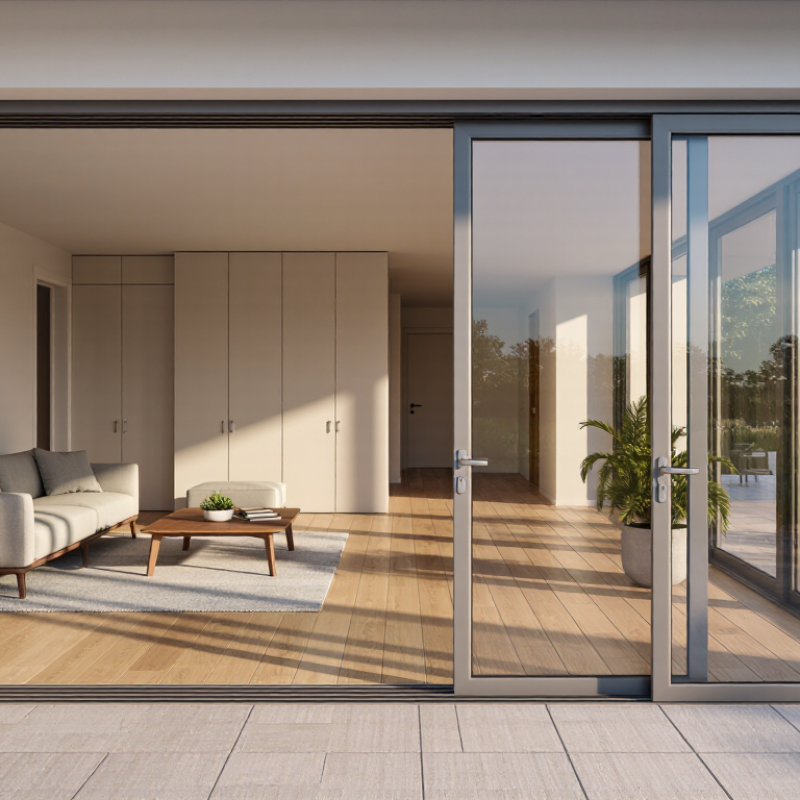
Assess Your Space, Climate, and Doorway Requirements
How to Choose the Best Glass Patio Doors?
Assess Your Space, Climate, and Doorway Requirements
Start with the opening, not the door style. Measure its width and height at several points, since older frames may be uneven. Note nearby furniture, radiators, and outdoor steps. A swinging door needs clear floor space; a sliding door needs room for its panels and track. Check the threshold, too. A tall sill can be awkward when carrying food outside.
Your climate matters. In cold or windy areas, look for insulated glass, tight seals, and frames suited to local temperature changes. In sunny rooms, suitable coatings can help limit glare and heat buildup. No feature works equally well in every home. If rain often reaches the doorway, ask an installer how the sill and drainage details handle water. Also consider how often you will open the doors, and whether a screen is useful.
Tips: Measure twice, including the existing frame, and record the numbers. Check the wall for switches or trim that could interfere with installation. If you are unsure about the opening or threshold, have a qualified installer inspect it before ordering. I once assumed a listed opening matched the clear passage; it did not. That small mistake changed the plan.
How to Choose the Best Glass Patio Doors
Assess your available space, local climate, and doorway requirements before choosing a configuration.
These are illustrative common nominal widths in inches; actual sizes and rough-opening dimensions vary by product. Sliding doors need little swing clearance, while hinged doors need room for the panels to open. For climate performance, compare NFRC-rated U-factor and Solar Heat Gain Coefficient (SHGC), and check local energy requirements. Nominal width is not the same as the clear passage opening.
Compare Patio Door Styles and Glass Configurations
Sliding patio doors suit tight rooms because their panels move sideways without claiming floor space. They work well beside a dining table or sofa. The trade-off is that one panel often stays fixed, limiting the clear opening. Hinged or French-style doors can open wider, but need room for their swing. Multi-slide systems create broad openings, though they may require more wall space and careful track maintenance. Measure furniture paths, not just the rough opening. A lovely view can still come with an awkward doorway.
Glass choice matters as much as door style. The U.S. Department of Energy’s Energy Saver guide estimates that heat gain and loss through windows account for 25–30% of home heating and cooling energy use. That figure is not specific to patio doors, but it shows why glass ratings deserve attention. Compare NFRC-listed U-factor and solar heat gain coefficient (SHGC): lower U-factor generally means less heat transfer, while SHGC helps indicate how much solar heat enters. Double-pane low-emissivity glass is a common starting point; triple-pane units may suit colder climates, but add weight and cost. Consider the room’s exposure, too. A west-facing door may need stronger solar control than a shaded one. More panes do not automatically mean better comfort. Check the full rating and frame together.
Evaluate Energy Efficiency, Safety, and Weather Resistance
Choosing glass patio doors starts with the climate and the direction they face. Ask for the whole-door U-factor, not just the glass rating; lower values generally mean less heat loss. In sunny rooms, a lower solar heat gain coefficient can help limit overheating. Check that the figures apply to the complete door assembly. A small label can be easy to overlook.
Safety depends on the glass and the locking system. Tempered glass breaks into smaller pieces, while laminated glass is designed to stay bonded to an inner layer when damaged. Ask which option suits your household and local conditions. Test the handle and lock in person; they should engage smoothly without forcing. Small details matter. A strong lock cannot compensate for poor installation or a loose frame.
Weather resistance is more than a sales claim. Look for durable seals, a sloped threshold, and clear drainage paths that move rain away from the interior. If possible, inspect a display after opening and closing it several times. Feel for drafts around the edges, and check whether the panels slide evenly. I would not judge a door by glass thickness alone; frame quality and installation often matter just as much. Even a well-rated door may leak if the opening is out of square.
Choose Frame Materials, Hardware, and Accessibility Features
How to Choose the Best Glass Patio Doors?
Frame material affects insulation, upkeep, and the door’s appearance. Vinyl usually needs little maintenance, while fiberglass resists moisture and temperature changes. Wood offers warmth but may need more frequent care, especially in damp or sunny locations. Aluminum frames can look clean and narrow, though their thermal performance depends on construction. Check the full door’s energy information, not just the frame material. A slim frame looks elegant, but it may not suit every climate or budget.
Hardware should feel secure and operate smoothly. Slide the door, turn the lock, and check whether the handle is easy to grip. A stiff latch can become frustrating with daily use. For accessibility, compare the clear opening and threshold height with the needs of everyone using the doorway. A lower threshold can make passage easier, but water management still matters. Confirm measurements and installation details with a qualified professional; small site conditions can change what works.
Tips: View frame samples in your room’s daylight. Ask how the track drains and how rollers can be adjusted or replaced. If mobility is a concern, test the handle and sliding force in person. A beautiful door that is difficult to open is not a good fit.
| How to Choose the Best Glass Patio Doors? — Frame Materials, Hardware, and Accessibility Features | ||||
|---|---|---|---|---|
| Decision Factor | Option or Feature | Practical Benefits | Points to Consider | Best Fit |
| Frame material | Vinyl | Low maintenance; does not need painting; generally offers good insulation when the frame is well designed. | Color and finish choices may be more limited than with some other materials. Frame rigidity and quality vary by product. | Buyers seeking a low-maintenance option and good everyday energy performance. |
| Fiberglass | Dimensionally stable across temperature changes; can be made with insulated frame sections; typically needs little upkeep. | Often costs more than basic vinyl. Availability, finishes, and construction details differ among products. | Homes with significant seasonal temperature swings or buyers prioritizing stability and durability. | |
| Wood | Natural appearance; can be painted or stained; wood frames can provide good insulation. | Exterior surfaces need protection and periodic maintenance unless covered with a durable cladding. | Traditional or custom designs where appearance is a priority and upkeep is acceptable. | |
| Aluminum | Strong, slender profiles can accommodate large glass areas; generally durable and low maintenance. | Metal conducts heat readily. Look for a well-designed thermal break and check the product’s energy ratings. | Contemporary designs and large openings, particularly when thermal performance is verified. | |
| Operating style | Sliding | Panels move along a track and do not swing into the room or patio; useful where floor or deck space is limited. | Track cleanliness and smooth panel movement matter. The clear opening may be narrower than the overall unit. | Compact patios, furniture near the doorway, and layouts with limited swing clearance. |
| Hinged or French-style | One or more panels swing open, creating a wide passage when the layout permits. | Requires clear space for the door swing; wind can affect an open panel. | Open areas where a broad passage and a traditional door appearance are desired. | |
| Multi-panel folding or stacking | Several panels can gather to create a large opening to the outdoors. | More moving parts and tracks may require careful installation, adjustment, and maintenance; check the clear opening. | Large openings where indoor-outdoor access is a central design goal. | |
| Hardware and operation | Rollers and track | Quality rollers and a properly aligned track help panels move smoothly and can reduce operating effort. | Ask how the track is cleaned and whether rollers can be adjusted or replaced. Test the full panel movement. | All sliding-door buyers, especially households needing easier operation. |
| Handle and lock | An easy-to-grip handle and a lock that engages reliably improve everyday usability and security. | Check that the handle is reachable from both sides as needed and that the lock does not require excessive force. | Homes with children, older adults, or frequent use of the patio entrance. | |
| Multipoint locking | Can secure a door at more than one point along the frame, depending on the design. | Correct installation and alignment are essential; it is not a substitute for checking the complete door and frame security. | Buyers who want added locking points and are considering a compatible door system. | |
| Screen hardware | A compatible insect screen allows ventilation while helping keep insects outside. | Screen type and track can affect the threshold and opening. Confirm that the screen moves easily and suits local conditions. | Homes where fresh-air ventilation is important. | |
| Accessibility | Low or flush threshold | Reduces the height of the step at the doorway, making passage easier for many people and wheeled mobility devices. | Threshold design must still manage water and weather. Confirm drainage details and suitability for the installation location. | Homes designed for easier access or reduced trip risk. |
| Wide clear opening | Provides more usable passage than the nominal door size alone may suggest. | Ask for the actual clear opening with the door fully open; frame, panel, and handle positions affect usable width. | Wheelchair or walker access, moving larger items, and frequent two-way traffic. | |
| Easy-glide operation | Well-adjusted panels and appropriately selected handles can make opening and closing less strenuous. | Ask to operate the installed door. Effort depends on panel size, weight, hardware, installation, and maintenance. | People with limited grip strength or anyone who wants smoother daily use. | |
| Visible glass markings | Contrasting decals or other visible markings can help people notice large expanses of clear glass. | Choose markings that are noticeable at typical eye levels and comply with applicable local requirements. | Households with children, visitors, or people with low vision. | |
| Glass and efficiency | Insulated, low-emissivity glazing | Multiple panes with sealed insulating spaces and low-emissivity coatings can help reduce heat transfer. | Compare whole-unit performance ratings, not glass features alone. Ratings and suitable values depend on climate and exposure. | Buyers balancing daylight, comfort, and heating or cooling performance. |
| Before purchasing | Verify fit, installation, and local requirements | Accurate measurements, proper flashing, and an installation suited to the wall and weather exposure help the door perform as intended. | Confirm rough-opening dimensions, water management, safety-glazing requirements, and any applicable accessibility or building-code rules. | Every project; consult a qualified installer for site-specific conditions. |
Compare Installation Needs, Maintenance, and Total Cost
Choosing patio glass doors starts with the opening, not the catalog. A replacement that fits the existing frame may reduce labor, but only if the frame is sound and square. Full-frame installation can require adjustments to framing, flashing, and interior trim. That takes time. Threshold drainage matters, too: a low sill can admit water if the patio slopes toward the house. Ask installers to inspect the opening and explain their sealing plan.
Maintenance affects long-term cost. Dirt in the lower track can make a sliding panel feel heavy, so vacuum it and clear drainage holes seasonally. Check weatherstripping for gaps, and clean glass with non-abrasive materials. Small gaps matter. Compare upkeep needs for frame finishes and hardware before deciding; some details are easy to overlook during a showroom visit.
The lowest quote may exclude trim, disposal, or repairs discovered after removal. Request itemized pricing for the door, labor, finishing, and likely contingencies. Energy performance may reduce drafts, but savings depend on climate, sun exposure, and installation quality. Leave room in the budget. Estimates can miss what is hidden behind the old frame.
Related Posts
-
Exploring Window Replacement Alternatives: Features and Best Affordable Options for Every Home
-
Top 10 Sliding Patio Door Installation Tips You Need to Know?
-
Solutions for Enhancing Energy Efficiency in Commercial Window Replacement Projects
-
Essential Guide: 7 Key Considerations for Seamless Sliding Patio Door Installation
-
7 Compelling Reasons You Should Get the Best Window Replacement Quote Today
-
How to Install a Dog Door in a Sliding Glass Door?