" "

Blog

10 Window and Door Replacement Tips for Global Buyers

Replacing windows and doors is not merely a visual upgrade. It changes comfort, energy use, security, and long-term maintenance. For global buyers, the right decision begins with climate, wall construction, installation quality, and verified performance data.

The U.S. Department of Energy reports that windows can cause 25% to 30% of residential heating and cooling energy use. That figure explains why Window And Door Replacement deserves careful planning. In cold regions, low-emissivity glazing can reduce indoor heat loss. In hot climates, solar-control glass may limit glare and overheating. Coastal buyers also need corrosion-resistant frames and tested water resistance. Small details matter. A poorly sealed corner can undermine an expensive window.

Building-science expert Joe Lstiburek has often described a window simply: “A window is a hole in the wall.” His point remains practical. The product matters, but the opening, flashing, drainage, and installer matter just as much. NFRC ratings, CE marking, U-values, solar heat-gain coefficients, and air-leakage results help buyers compare products across markets. However, labels are not universal guarantees. Standards, test methods, and installation practices differ between countries.

This guide examines ten replacement tips for international buyers. It considers measurement, glazing, frame materials, warranties, ventilation, compliance, and after-sales support. Some recommendations may need adjustment. Buildings are rarely identical. The honest mistake is assuming one specification works everywhere.
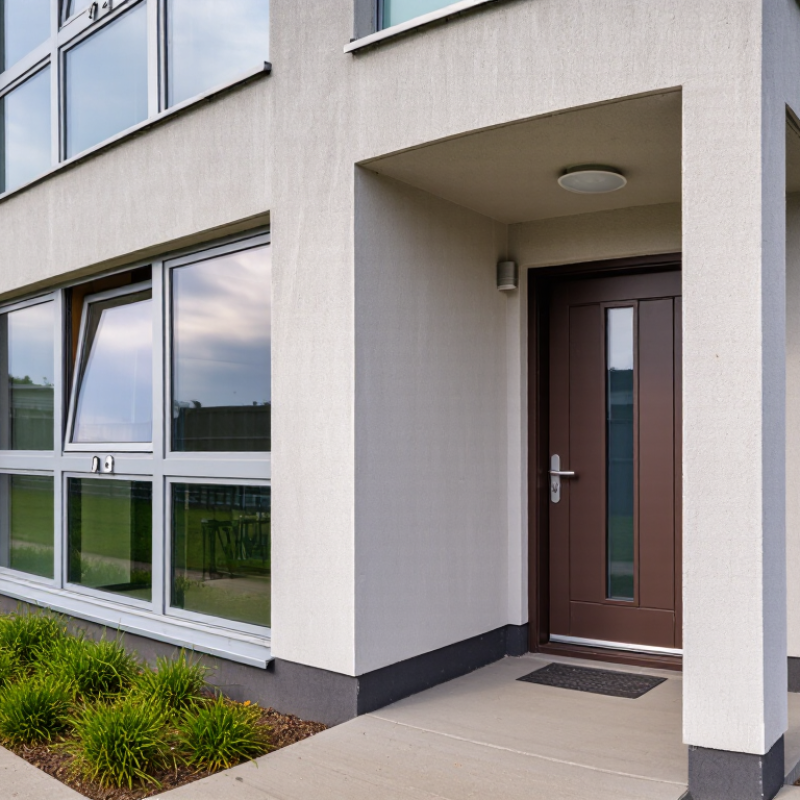
10 Window and Door Replacement Tips for Global Buyers

Define Replacement Goals, Building Requirements, and Project Scope

For global buyers, window and door replacement should begin with a written goal. Are you reducing heat loss, controlling noise, improving security, or repairing water damage? These aims can conflict. Large glazed panels may improve daylight but increase solar heat. A coastal home needs corrosion-resistant hardware. A cold mountain site needs stronger insulation and careful air sealing. Define the priority before requesting prices. Otherwise, quotations may compare different products and create false savings.

Building requirements must be checked before selecting sizes or materials. Local rules may control emergency exits, safety glazing, fire separation, wind resistance, ventilation, and accessibility. Existing openings are rarely perfectly square. Measure width, height, diagonals, sill level, and wall depth. Measure twice. A qualified local surveyor can also inspect hidden moisture, damaged framing, and drainage paths. Climate matters, too. A seal that performs well in a dry region may fail under heavy rain and strong temperature changes.

Write the project scope in practical detail. List each opening, its dimensions, operating style, glass performance, finishes, trims, flashing, removal work, disposal, access equipment, and final testing. Include who protects floors and repairs interior plaster. A 10 to 15 percent contingency may be sensible, depending on building age and access. An imperfect but useful lesson is that early budgets often ignore interior repairs. That omission can cause delays. Request drawings, installation procedures, product test data, and maintenance requirements before approving the order. Keep every revision dated and signed.

Compare Window and Door Materials, Styles, and Energy Ratings

Global window and door buyers should compare materials before choosing a visual style. Vinyl offers low maintenance and moderate insulation, while aluminum provides slim frames and strong structural performance. However, standard aluminum can transfer heat quickly without a thermal break. Wood feels warm and repairs well, but it needs careful sealing in humid or coastal locations. Fiberglass resists warping and suits large openings, though availability and cost vary by market. Material choice is never purely cosmetic.

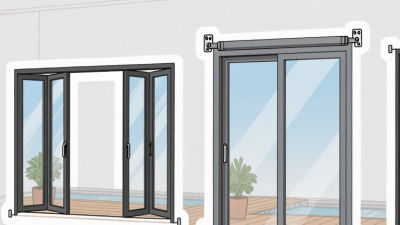
Style affects daylight, ventilation, cleaning, and security. Casement units usually seal tightly because the sash presses against the gasket. Sliding units save space, but their tracks can collect dust and may show higher air leakage. Tilt-and-turn designs provide controlled ventilation, yet their hardware requires accurate installation. In a busy apartment, inward-opening panels may collide with curtains or furniture. Measure the room, not only the wall opening.

Energy labels need careful comparison across countries. Check U-value or U-factor for heat transfer, then review solar heat gain and visible light data. A low U-value helps in cold climates, but excessive solar gain can overheat a sunny room. In hot regions, lower solar gain may matter more. Ask for tested air-leakage results and whole-window performance, not glass-only figures. Installation still matters. A perfect unit can perform poorly around an unsealed frame. Request drawings, warranty terms, and replacement-part access before payment. I would not rely on one rating alone; climate, orientation, and installer skill can change the result.

10 Window and Door Replacement Tips for Global Buyers

Compare Window and Door Materials, Styles, and Energy Ratings

This chart compares representative U-factor values for common residential window frame materials using standard double-glazed configurations. A lower U-factor indicates better insulation and reduced heat transfer. Vinyl and fiberglass frames typically provide strong thermal performance, while thermally broken aluminum can offer durability with a higher average U-factor. Casement and awning styles often provide tighter air seals than sliding styles, but the final energy rating depends on the complete window or door system, glazing, installation, climate, and local certification standards.

Verify Measurements, Local Codes, and International Standards

10 Window and Door Replacement Tips for Global Buyers

Verify Measurements, Local Codes, and International Standards

Replacing windows across borders starts with evidence, not catalogue sizes. Measure width, height, and diagonals at three points. Record frame depth, sill slope, and opening direction. A 4 mm difference can change the installation method. Photograph each corner. Keep the notes beside the drawing. I once trusted an old plan and missed a 12 mm reveal. That small error created expensive site adjustments.

Local building codes can control glazing, ventilation, fire performance, escape openings, and wind resistance. Requirements may change between a coastal apartment and an inland house. Ask a qualified local professional to review the design before ordering. Do not assume one certificate satisfies every jurisdiction. Check product documentation, test methods, and permitted tolerances. Confirm whether translations or independent conformity checks are required. Small details matter.

Compare international standards carefully, because similar terms may describe different tests. Verify thermal values, acoustic ratings, safety glazing, drainage, and hardware performance. Request dated technical sheets and installation instructions from the supplier. Your installer should inspect the opening before delivery. Recheck measurements after plaster, flooring, or cladding changes. I would allow a modest tolerance, but never invent one without engineering advice. A neat spreadsheet helps, although it cannot replace a physical inspection.

Evaluate Suppliers, Product Quality, Warranties, and Total Costs

10 Window and Door Replacement Tips for Global Buyers

Evaluate Suppliers, Product Quality, Warranties, and Total Costs

Replacing windows and doors across borders requires more than attractive photographs. I have learned to assess suppliers through drawings, factory records, and direct technical questions. Ask for frame sections, glass specifications, hardware details, and recent test reports. A polished catalog proves little. Request current production photos and samples. Check whether measurements follow your local standards, not only the supplier’s system. Independent inspections can reveal weak seals, uneven welding, and careless packaging.

Product quality should be judged under real weather conditions. Confirm thermal performance, water resistance, air leakage, and wind-load ratings. For coastal projects, discuss corrosion-resistant hardware and clear drainage paths. For cold regions, inspect spacer design and gasket flexibility. Small details matter. In one project, underestimated installation tolerances caused costly site adjustments, despite excellent-looking units. That mistake still influences my checklists. No checklist catches everything.

A warranty should state coverage, exclusions, response times, and claim procedures. Clarify who pays for replacement glass, labor, freight, taxes, and customs delays. Compare landed cost, not factory price alone. Include packaging, insurance, storage, installation, maintenance, and possible rework. Get a sample warranty. Currency changes and inconsistent quantities can distort budgets. Verify references from projects with similar climates and building uses. Some supplier promises remain vague. Put every agreed performance value in the contract, even when negotiations become slower.

10 Window and Door Replacement Tips for Global Buyers - Evaluate Suppliers, Product Quality, Warranties, and Total Costs

Tip Evaluation Dimension Practical Quality or Commercial Benchmark Documents and Checks to Request Common Risk or Warning Sign Potential Cost Effect
1 Verify supplier capability and production capacity Review at least three years of relevant manufacturing experience, monthly capacity, quality-control staffing, export history, and the supplier’s ability to support the required order volume. Factory profile, production-flow chart, recent project references, inspection records, capacity statement, and evidence of legal business registration. Unclear factory location, inconsistent company information, unusually low pricing, or refusal to provide production and inspection details. Medium
2 Compare thermal performance Compare whole-window or whole-door U-value rather than frame-only data. Lower U-value generally indicates better heat-transfer resistance. Check the applicable local energy-code requirement before ordering. Independent or accredited laboratory test reports showing frame, glazing, spacer, and complete-unit performance under a stated test standard. Only center-of-glass data is provided, test conditions are missing, or values are quoted without units such as W/m²·K or Btu/h·ft²·°F. Medium
3 Assess air, water, and wind resistance Require performance testing for air leakage, water penetration, and structural wind load. The required rating depends on building height, exposure, climate, and local code. Complete product test reports, pressure ratings, test size, installation method, pass/fail results, and the standard used for testing. Performance is stated only as “high quality,” or test results apply to a different product configuration or size. High
4 Check glazing and safety specifications For insulated glass, confirm glass thickness, cavity width, gas fill if specified, low-emissivity coating, spacer type, visible transmittance, and solar heat-gain performance. Use safety glazing where required by code. Glass make-up schedule, safety-glazing confirmation, coating location, edge-deletion details, sealant specification, and IGU seal warranty. Missing glass composition, no protection against coating damage, or a mismatch between the quotation and approved drawings. Medium
5 Evaluate materials and hardware durability Specify frame material, wall thickness, reinforcement, finish type, corrosion resistance, rollers, locks, hinges, handles, and expected operating cycles. Coastal or humid projects require enhanced corrosion protection. Material certificates, coating or anodizing specifications, hardware cycle-test results, corrosion-test information, and approved component lists. Hardware substitutions without written approval, inconsistent finish samples, weak locking points, or no spare-parts plan. Medium
6 Control dimensions, tolerances, and customization Use one approved schedule with metric or imperial units clearly identified. Define frame-to-opening tolerances, mullion positions, handing, drainage direction, and labeling requirements before production. Signed shop drawings, dimensional tolerances, mock-up approval, barcode or room labels, packaging list, and change-order procedure. Verbal changes, mixed units, missing elevation references, or production starting before drawing approval. High
7 Review warranty coverage and service obligations Separate warranties for frames, finish, insulated-glass units, hardware, and installation. Confirm coverage period, exclusions, claim procedure, response time, labor responsibility, and replacement-part availability. Signed warranty document, maintenance requirements, service contacts, spare-parts list, and written confirmation of international claim handling. Warranty is only a marketing statement, excludes installation without clear responsibility, or requires returning large assemblies at the buyer’s expense. High
8 Calculate total landed cost instead of unit price Budget for product, tooling, packaging, inland transport, export documentation, freight, insurance, duties, taxes, port fees, customs clearance, local delivery, installation, waste, and replacement units. Itemized quotation, Incoterms® 2020 term, shipment weight and volume, HS-code confirmation, freight assumptions, payment schedule, and validity period. Very low EXW or FOB price with omitted accessories, unclear Incoterms, incomplete packing details, or no allowance for customs and local work. High
9 Use staged quality inspections Inspect samples before mass production, verify materials during production, and perform a final pre-shipment inspection. A commonly used acceptance approach is to define an agreed sampling plan and defect limits in advance. Approved golden sample, inspection checklist, dimensional records, glass and finish checks, functional tests, packing photos, and corrective-action reports. Inspection is limited to appearance, no inspection rights are included in the contract, or defects are discovered only after installation. High
10 Plan installation, commissioning, and after-sales support Confirm opening preparation, sill support, flashing, drainage, compatible sealants, anchorage, insulation, adjustment, water testing, cleaning, and handover documentation. Product performance depends heavily on correct installation. Installation method statement, approved sealant list, installer training records, maintenance manual, commissioning checklist, and defect-resolution timeline. Supplier provides no installation guidance, incompatible local materials are specified, or no responsibility is assigned for transit and installation damage. High

Planning note: Performance requirements, warranty periods, import charges, and building-code obligations vary by destination country and project type. Confirm all technical values, test standards, taxes, duties, and contractual responsibilities in writing before purchase.

Plan Installation, Shipping, Inspection, and Long-Term Maintenance

Global window and door replacement requires more than choosing attractive profiles. Confirm local building codes, opening sizes, glass requirements, and ventilation rules before placing an order. Ask for technical drawings with frame dimensions, hardware positions, drainage paths, and packing details. Measure twice. Record every measurement with dated photographs.

Shipping deserves equal attention. Use moisture-resistant protection, corner guards, and strong internal bracing. Mark each crate with its room, opening number, weight, and lifting direction. Request a complete packing list and shipping documents before dispatch. Delays happen. A small labeling error can leave installers searching through several crates at the job site.

Inspect every unit before installation, preferably while the delivery team is present. Check glass, frames, seals, locks, finish, and accessories against the approved drawings. Photograph damage immediately and keep signed delivery records. During installation, maintain level, plumb, and consistent gaps; poor alignment can cause leaks and difficult operation. Seal joints according to the wall material and local climate. Do not hide defects behind trim. After installation, test each sash or door repeatedly, then explain cleaning and lubrication intervals to the owner. Long-term maintenance is often neglected, especially in coastal or dusty regions. Rinse exposed surfaces gently, clear drainage channels, and replace worn seals early. A perfect plan is unrealistic, so leave spare components and written inspection notes for future repairs.